
Last updated October 16, 2026
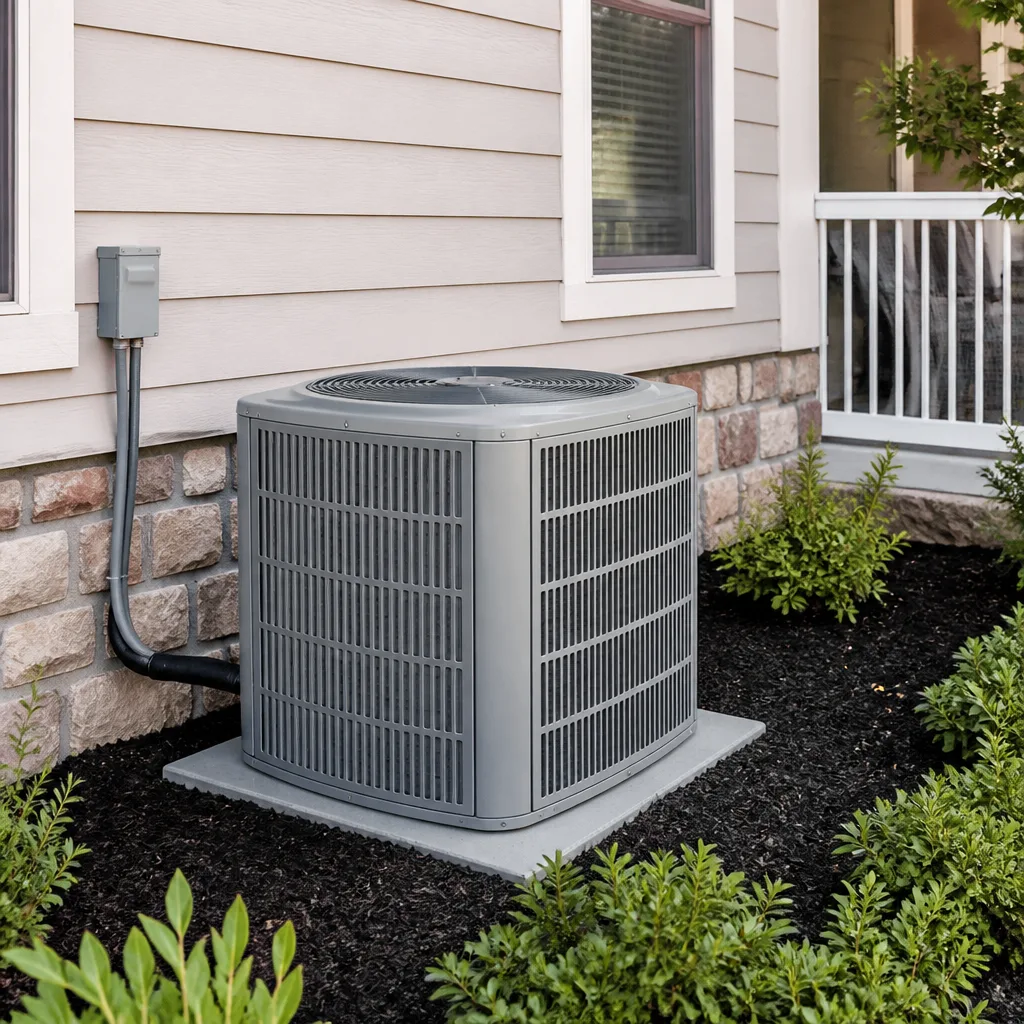 AC repair
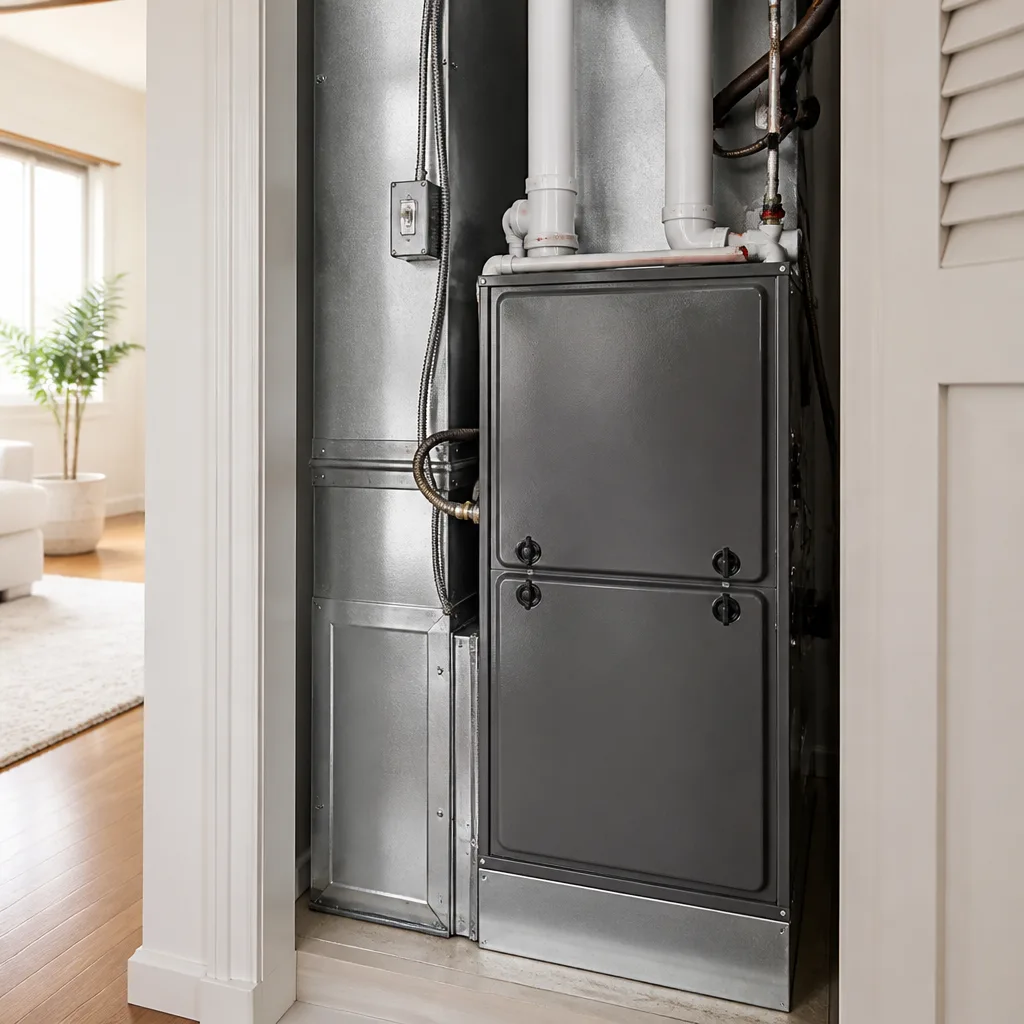 Furnace & heating
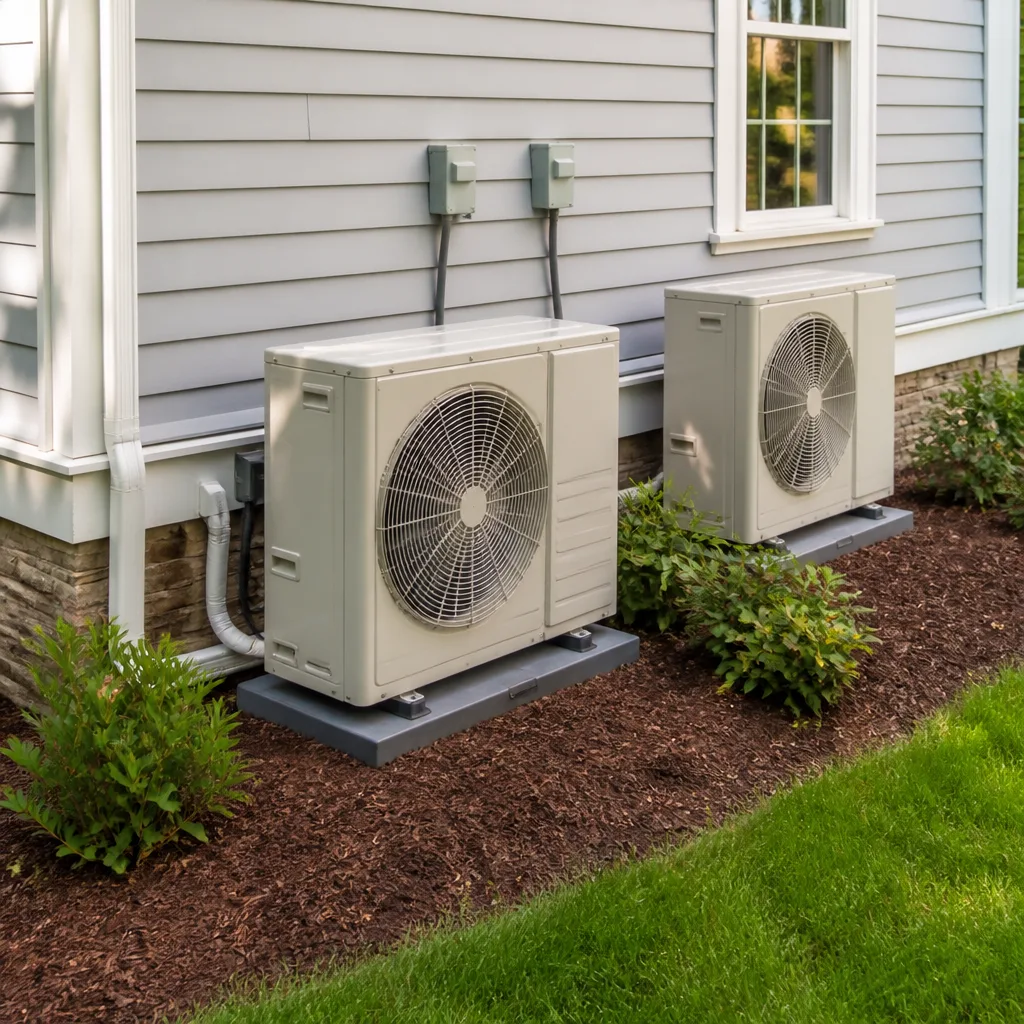 Heat pumps
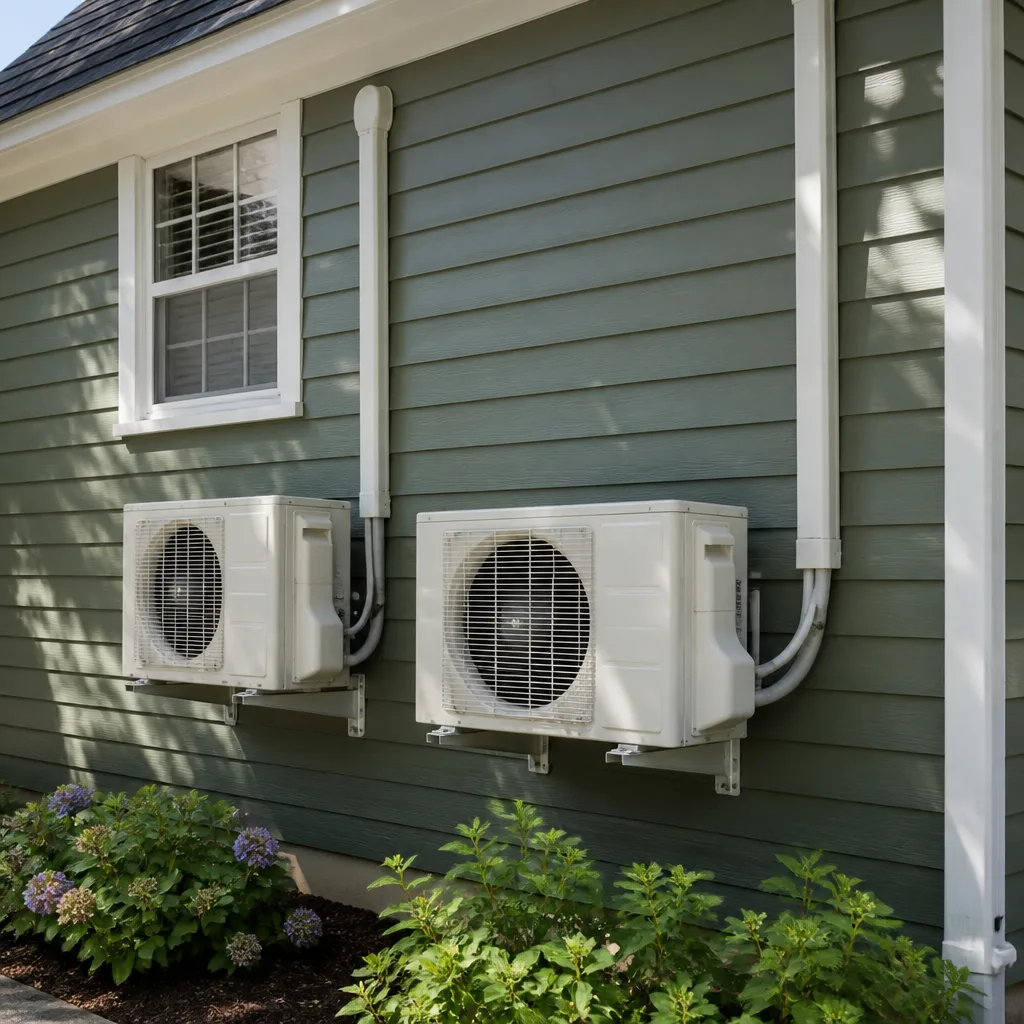 Ductless mini splits
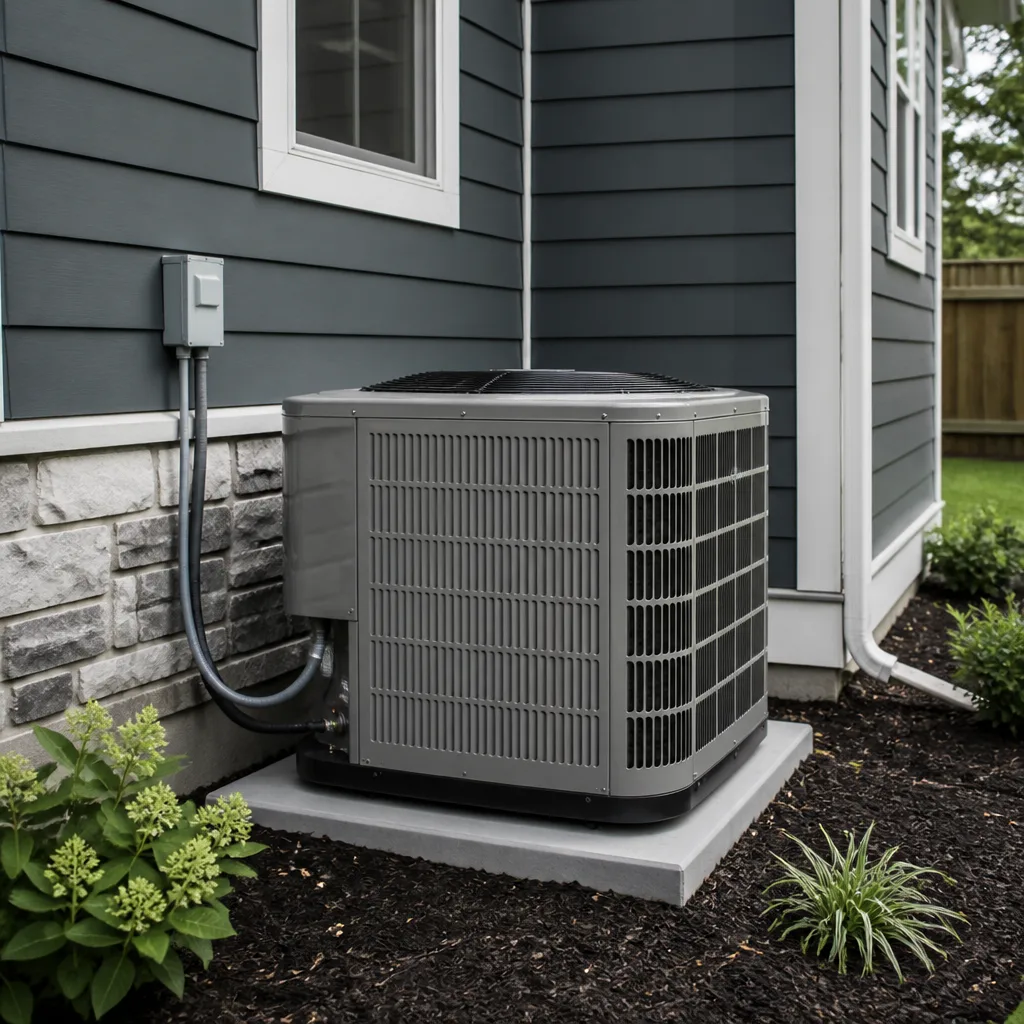 Carrier
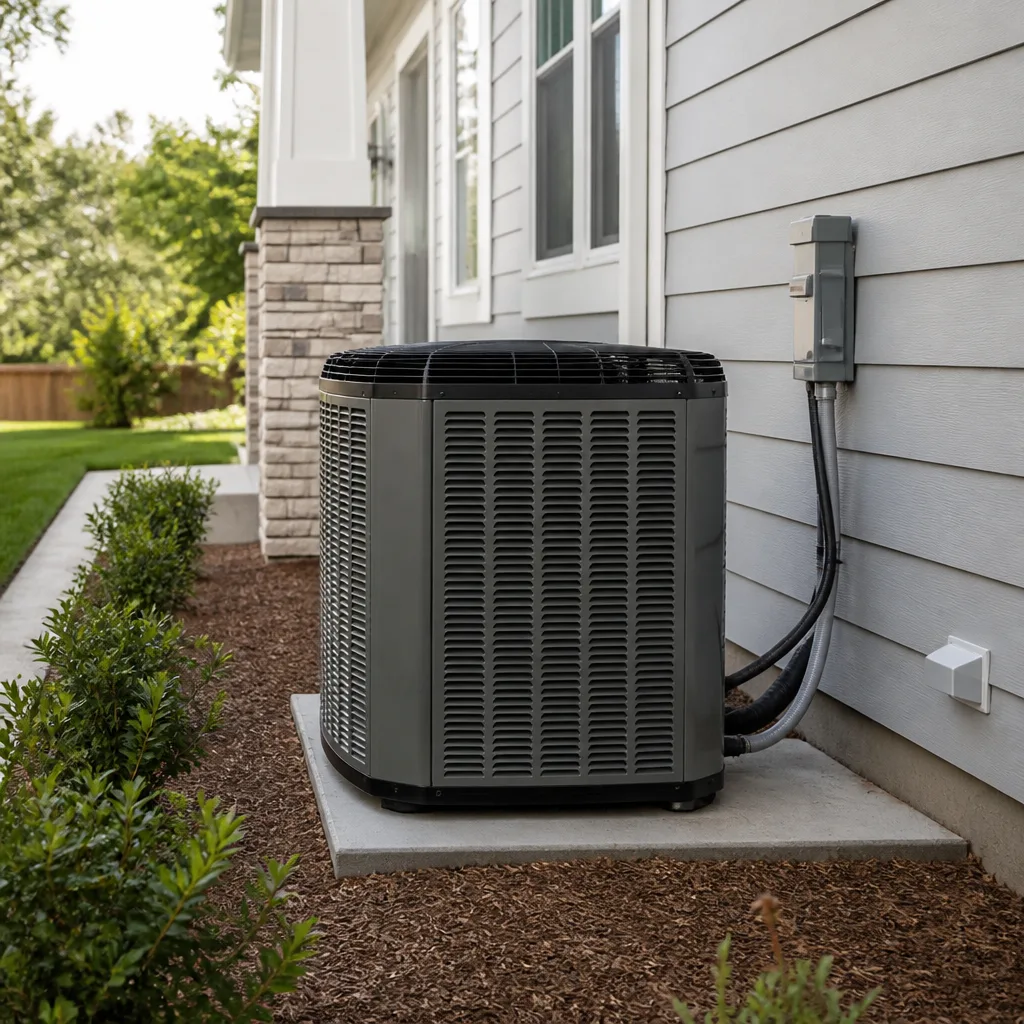 Trane
TraneSeasonal tune-up and full diagnostic on your Carrier, Trane, or Goodman system - readings shown to you before any repair is proposed
Diagnosis first, numbers second - you approve the repair price before a single part goes in.
Get your free estimateAC Repair Maintenance Checklist for Dallas Homeowners
Refrigerant leaks, clogged condensate drains, and failed capacitors cause roughly 70% of all Dallas AC Repair services calls in summer. Every one of those failures shows early warning signs a homeowner can spot in ten minutes, if they know what to look for. This guide is not a seasonal reminder dressed up as guidance. It is a diagnostic checklist built around the six failure points we see most often in Dallas, paired with the specific readings that separate a $12 filter swap from a $1,200 repair. You will learn what to check, what to document, and when to pick up the phone. Most importantly, you will learn how to build a maintenance history that protects you when a manufacturer warranty is disputed. Dallas summers do not forgive neglected systems, and neither do warranty auditors.
Quick Answer
An AC maintenance checklist for a Dallas homeowner should cover six failure points in order: the air filter, the condensate drain, the capacitor, the refrigerant circuit, the electrical connections, and the airflow across the coil. A homeowner can safely inspect the filter, drain, and visible wiring in about ten minutes per month, but anything involving refrigerant or live voltage requires a licensed technician. The most valuable habit is not the inspection itself. It is writing down what you found, on a dated log, every single time.
Styles & brands we work with
Table of Contents
- The Six Failure Points That Drive Dallas AC Repairs
- The Monthly Walkthrough: What to Check and What to Write Down
- Delta-T: The Single Most Useful Number on Your System
- The Capacitor: The $25 Part That Causes $900 Service Calls
- Why Dallas Humidity Makes the Condensate Drain Your First Priority
- Refrigerant: What a Homeowner Can and Cannot Check
- How to Document Maintenance So a Warranty Claim Holds Up
- DIY vs. Licensed Work: Drawing the Line Safely
The Six Failure Points That Drive Dallas AC Repairs
In our experience across Dallas, nearly every no-cooling call comes back to one of six things. The order is fairly consistent. First, the air filter. A clogged filter starves the system of airflow, which freezes the evaporator coil, which sends liquid refrigerant back toward the compressor, which shortens the compressor’s life. That chain starts with a $12 part. Second, the condensate drain. Dallas humidity means your system pulls gallons of moisture out of the air every day. If the drain clogs, the pan overflows, water hits the safety switch, and the system shuts down. Third, the capacitor. It is a small cylinder that gives the compressor and fan motor their starting jolt. In Dallas heat, capacitors fail quietly and often. Fourth, the refrigerant circuit. Leaks develop over years, not months, and a system that is 10 percent low on charge will run longer, cool less, and cost more to operate. Fifth, the electrical connections. Vibration loosens terminals, especially on older units in Dallas neighborhoods with clay-heavy soil that settles and shifts condenser pads. Sixth, airflow across the coil. This is often a duct or return-air problem, not an equipment problem, and it is the one homeowners overlook most.
Each of these has a set of early warning signs, and each has a safe homeowner-level inspection step. The sections below walk through all six. If you want the full AC repair picture in Dallas, we have written a separate guide on costs and timelines.
The Monthly Walkthrough: What to Check and What to Write Down
Set aside ten minutes on the first Saturday of the month. You are looking for changes, not perfection. A unit that has been fine for three years will not fail without a warning. The warning is always there if you know what you are looking at. Here is the walkthrough, in a sequence you can print and date.
- Check the air filter. Hold it up to a light. If you cannot see light through it, it is done. In Dallas, during a hot summer, check monthly. During mild months, check every two months. Write down the date you replaced it.
- Look at the condensate line outside. The white PVC pipe near the outdoor unit should drip water when the system runs. No drip, or a gurgling sound from the indoor unit, means the line is backing up.
- Listen to the outdoor unit for five seconds. A clean start should be a solid, brief hum. A clicking sound that repeats, or a hum followed by silence, often points to the capacitor.
- Inspect the outdoor coil. The aluminum fins around the condenser should be clean. Dallas cottonwood season and mowing dust build up fast. If the fins look like a sweater, they need cleaning.
- Feel the air at a supply register and a return grill. The temperature difference tells you a lot. More on that below.
- Check the thermostat batteries if your display looks dim. A weak thermostat battery causes intermittent cooling, and it is the cheapest fix on this list.
Every one of these observations goes on a single sheet of paper or a notes file. Date, what you checked, what you saw, what you changed. Six lines a month. That is the difference between a guess and a history.
Delta-T: The Single Most Useful Number on Your System
Delta-T, or temperature split, is the difference between the air entering your system and the air leaving it. You measure it with a basic digital thermometer, one reading at the return grill where air goes in, another at the supply register where cooled air comes out. In a properly charged and properly moving system, the split should run between 15 and 20 degrees. So if the return air is 78, the supply air should be 58 to 63.
A healthy delta-T tells you the refrigerant circuit is doing its job and airflow is reasonable. A low split, like 10 or 12 degrees, usually means one of three things: the filter is clogged, the evaporator coil is partially frozen, or the system is low on refrigerant. A high split over 20 degrees often means airflow is so restricted the coil is getting too cold. That is the freeze-up condition. Neither is good, but the fix for one is a filter, and the fix for the other may be a service call.
Here is the part most guides skip. Write the delta-T down. On a comfortable day in April, on a brutal day in August, on a day when the AC just doesn’t seem to be keeping up. When you call for AC repair in Dallas, a technician who arrives with three months of your delta-T readings can diagnose the problem faster than one who is working from a blank slate. Numbers beat memory, every time.
The Capacitor: The $25 Part That Causes $900 Service Calls
A capacitor looks like a small canister, about the size of a juice can, mounted inside the outdoor unit. Its job is to deliver a quick, strong burst of current to start the compressor and the fan motor. Capacitors fail more often in hot climates because heat breaks down the insulating material inside them. Dallas, with full sun on a west-facing condenser pad, is a capacitor’s worst neighborhood.
The early warning signs are specific. The outdoor unit hums but the fan does not spin. The compressor kicks on, runs a few seconds, then shuts off. The AC cools during the evening but not during the afternoon. A capacitor reading of less than about 6 percent below its rated microfarad value is worth monitoring; a reading 10 percent or more below it is a call-now situation. You need a multimeter to take that reading, and if you are not comfortable opening the electrical compartment, you should not.
The part itself runs $15 to $40. It is the labor and the emergency timing that push a capacitor replacement toward $200 to $400 in Dallas, and more on a summer weekend. This is a repair we cover under our written 365-Day Done Right Promise, and it is one of the repairs where having a service history really matters. A unit that eats capacitors every two seasons has an underlying electrical issue, and your log is the proof.
Why Dallas Humidity Makes the Condensate Drain Your First Priority
Dallas sits in a humid subtropical zone. From May through September, your air conditioner is pulling three to five gallons of water out of the indoor air every day. All of that water flows down the condensate line and out of your house. The line is only three-quarters of an inch wide, and it runs through a dark, damp environment that grows algae and mold. It clogs. It is not an if. It is a when.
A clogged drain triggers a safety float switch, which cuts power to the system. The symptom is sudden: the thermostat is on, the outdoor unit is running, but there is no airflow or the system shuts off entirely. The water has to go somewhere, so it backs up into the drain pan or, worse, into the ceiling or wall around the air handler.
The flush procedure is one of the safest DIY tasks in this guide. Pour two cups of white vinegar down the condensate line, wait thirty minutes, then flush with warm water. Do this every month in a Dallas summer. If the line is fully clogged, a wet/dry vacuum on the outside drain opening will usually pull the blockage free. This is a maintenance item, and it is one of the reasons you will want to remember our Cold Harbour Heating and Air Dallas home page when you are building your own checklist. The job is simple, but the damage from skipping it is not.
Refrigerant: What a Homeowner Can and Cannot Check
Refrigerant is the cooling fluid that moves heat from inside your home to outside. When the system is low on charge, the evaporator coil gets too cold and ices over, and the compressor works harder than it was designed to. The symptoms are slow: the AC runs longer, the delta-T drops, and the electric bill creeps up. By the time you notice a warm house on an August afternoon, the leak has probably been present for months.
Here is the line you cannot cross. A homeowner can watch for warning signs. A homeowner cannot check refrigerant pressure, cannot add refrigerant, and cannot legally buy the refrigerant for a residential system without an EPA Section 608 certification. This is not a matter of preference. It is federal regulation, and it carries real penalties. Any checklist that tells you to top off the refrigerant yourself is giving you advice that is both illegal and dangerous.
What you can do is watch the delta-T and the runtime. If the split is dropping and the system runs constantly on hot days, call a licensed technician. We service Carrier, Trane, Lennox, Goodman, and American Standard systems across Dallas, and a refrigerant check is part of a standard diagnostic. The cost of finding a leak early is measured in hundreds. The cost of a compressor failure from running low on charge is measured in thousands.
How to Document Maintenance So a Warranty Claim Holds Up
Manufacturer warranties on compressors run ten years. The warranty language, though, almost always includes a phrase like “must be maintained in accordance with the manufacturer’s instructions.” If the compressor fails in year seven and you cannot prove the system was maintained, the manufacturer can deny the claim. This happens in Dallas more than most homeowners realize. A heat-damaged compressor is an expensive repair, and a denied claim means the whole cost lands on you.
The cure is not complicated. Keep a simple log. Four things on every line: the date, what was done, who did it, and the invoice number if a professional was involved. A filter change, a drain flush, a delta-T reading, a capacitor check. That is sufficient. The log does not need to be elaborate. It needs to be dated and continuous. Three years of six-line-per-month entries carries more weight with a warranty auditor than a missing three-year history and a story.
For professional work, always insist on a written invoice that lists the work performed, not just a payment receipt. If a repair was made under a guarantee, get that guarantee on paper. We issue a written 365-Day Done Right Promise on every repair we perform in Dallas, because a verbal promise is not a warranty. It is a handshake. A handshake will not hold up in front of a manufacturer when the compressor fails on the hottest day of the year.
DIY vs. Licensed Work: Drawing the Line Safely
The checklist items in this guide fall into two categories, and the line between them is safety, not difficulty. On the homeowner side, you can replace an air filter, flush a condensate drain with vinegar, check the batteries in the thermostat, clean the outdoor coil with a garden hose (from the outside, with the power off), and take a delta-T reading with a $15 thermometer. None of those tasks requires opening an electrical panel or handling refrigerant.
The other side of the line is everything else. Replacing a capacitor requires opening the electrical compartment with live voltage present. Checking refrigerant pressure requires the right gauges, the right certification, and the right experience to interpret the readings. Opening the sealed refrigeration circuit requires an EPA 608 license. Doing any of this without training is not a money-saving tip. It is a way to destroy equipment, void the warranty, or get hurt. Dallas emergency rooms see the results of this decision every summer.
When a task crosses the line, call someone who does it every day. The Kingswell Way, the standard we work to at Cold Harbour, has five written values that apply here: say the price before the work, show up in the window given, leave the place cleaner than found, put the guarantee in writing, and come back if it fails. That is the standard any licensed technician should meet, and it is what we put on paper in Dallas before a single tool comes out.
Common Mistakes to Avoid
- Replacing the filter but never dating it. A filter that has been in place for an unknown number of months is useless information. Date it with a marker, right on the frame, every time.
- Ignoring the outdoor drip line. In Dallas, a dry condensate line in July almost never means a dry house. It means a clog further up the line. Check it before the float switch does.
- Guessing at delta-T instead of measuring it. “It feels cool” is not a number. A $15 digital thermometer gives you a number you can write down and track across seasons.
- Adding refrigerant without a license. It is illegal, it hides the real leak, and an overcharged system damages the compressor. The leak must be found and sealed first.
- Running the AC with a frozen coil and waiting for it to thaw on its own. Yes, the coil will thaw. It will also send water to places you do not want water. Turn the system to fan-only, call a technician, and figure out why it froze.
- Not keeping service invoices. A competitive quote is not a maintenance record. An invoice with the work listed and dated is. Store them all in one folder.
- Skipping maintenance because “the AC is running fine.” Cooling systems do not fail fast in Dallas. They fail slowly, and the evidence is visible for months before the breakdown, but only to someone who is looking.
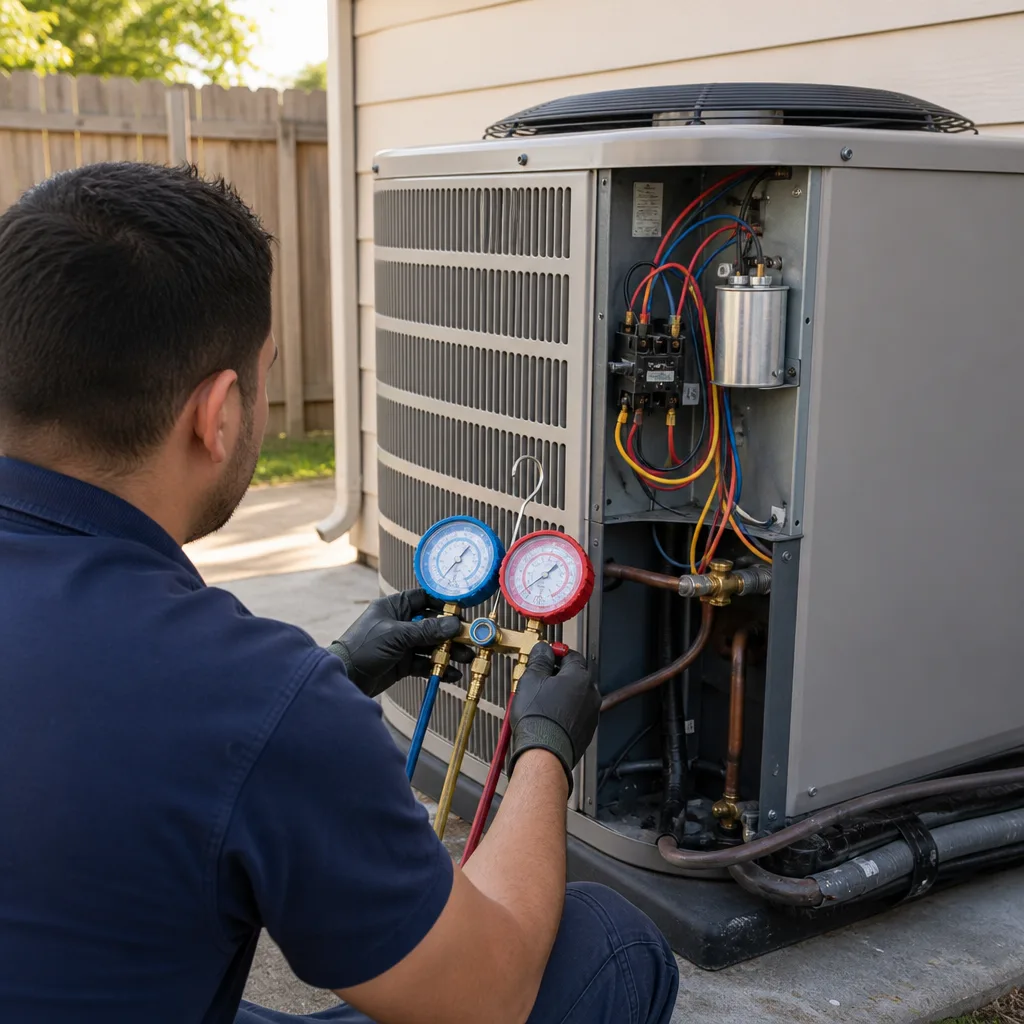
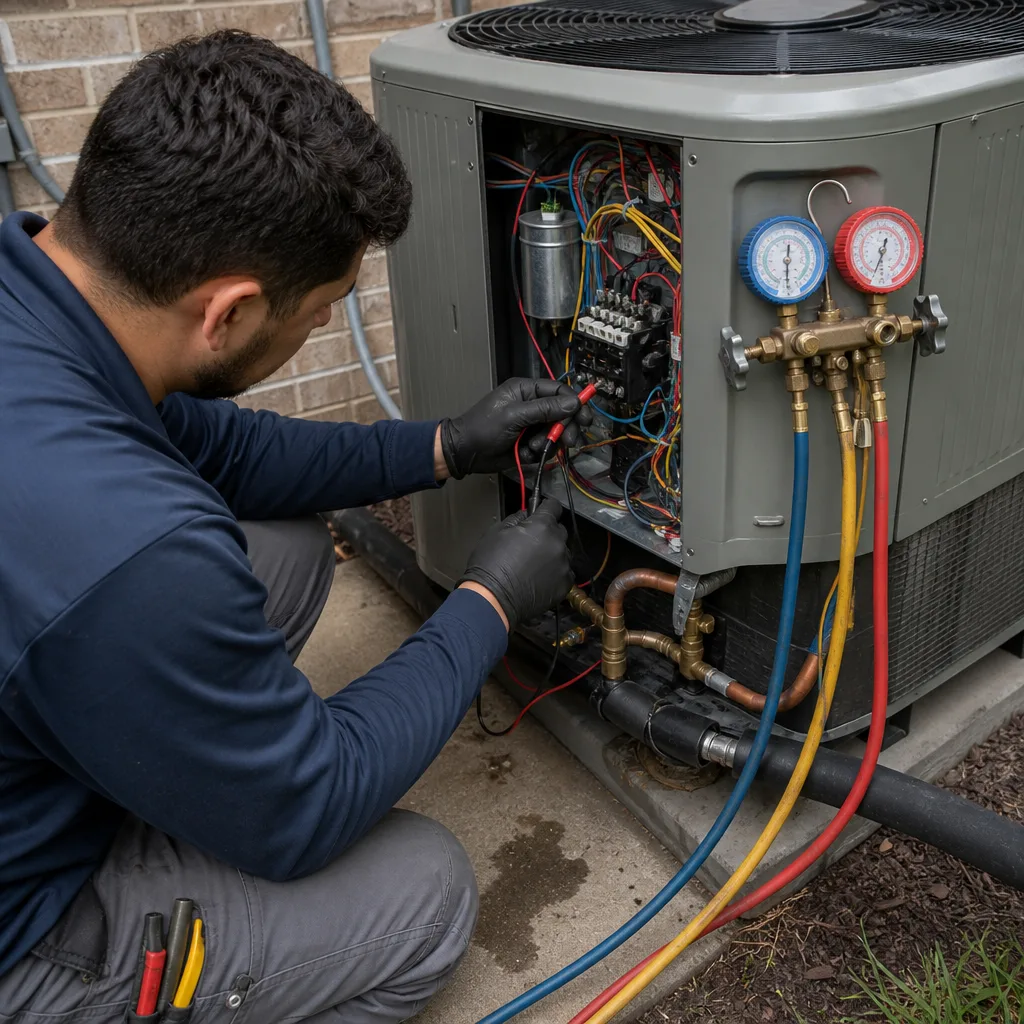
See the difference
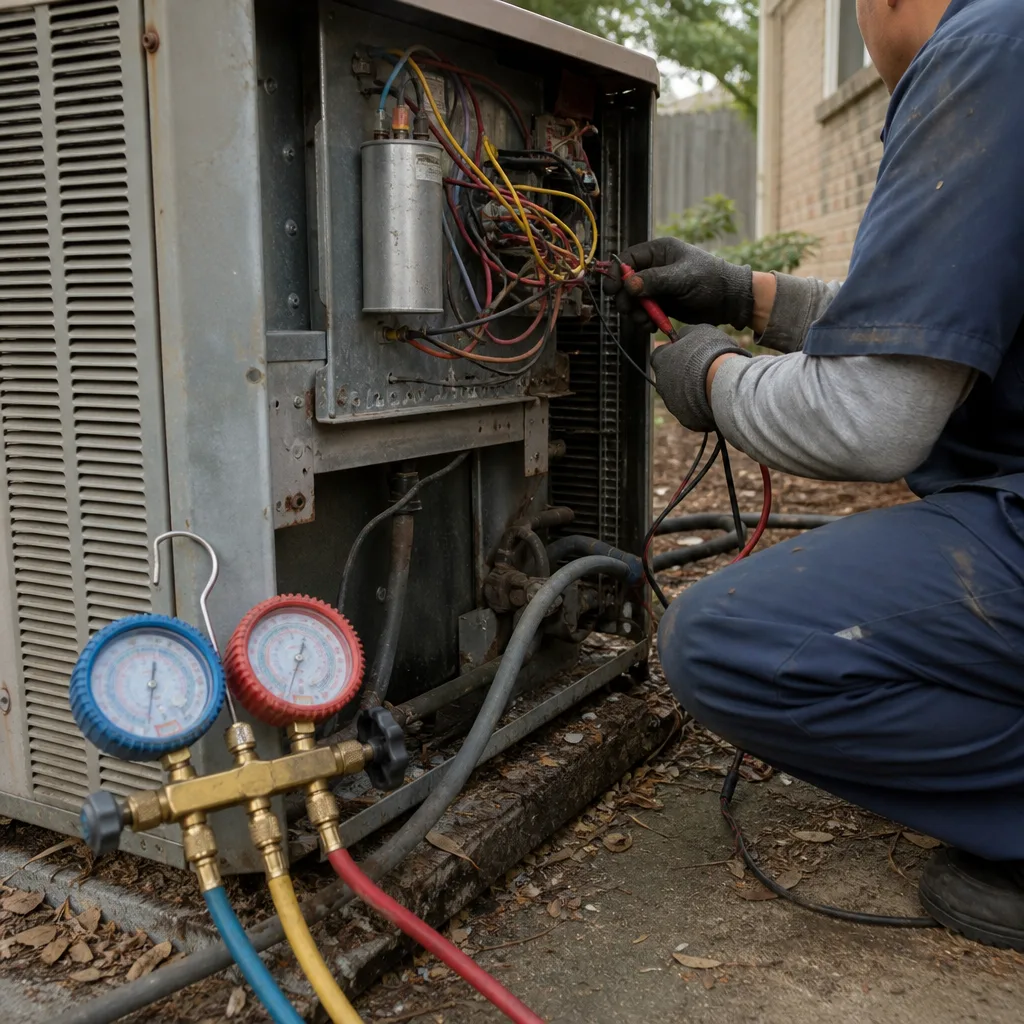 Before
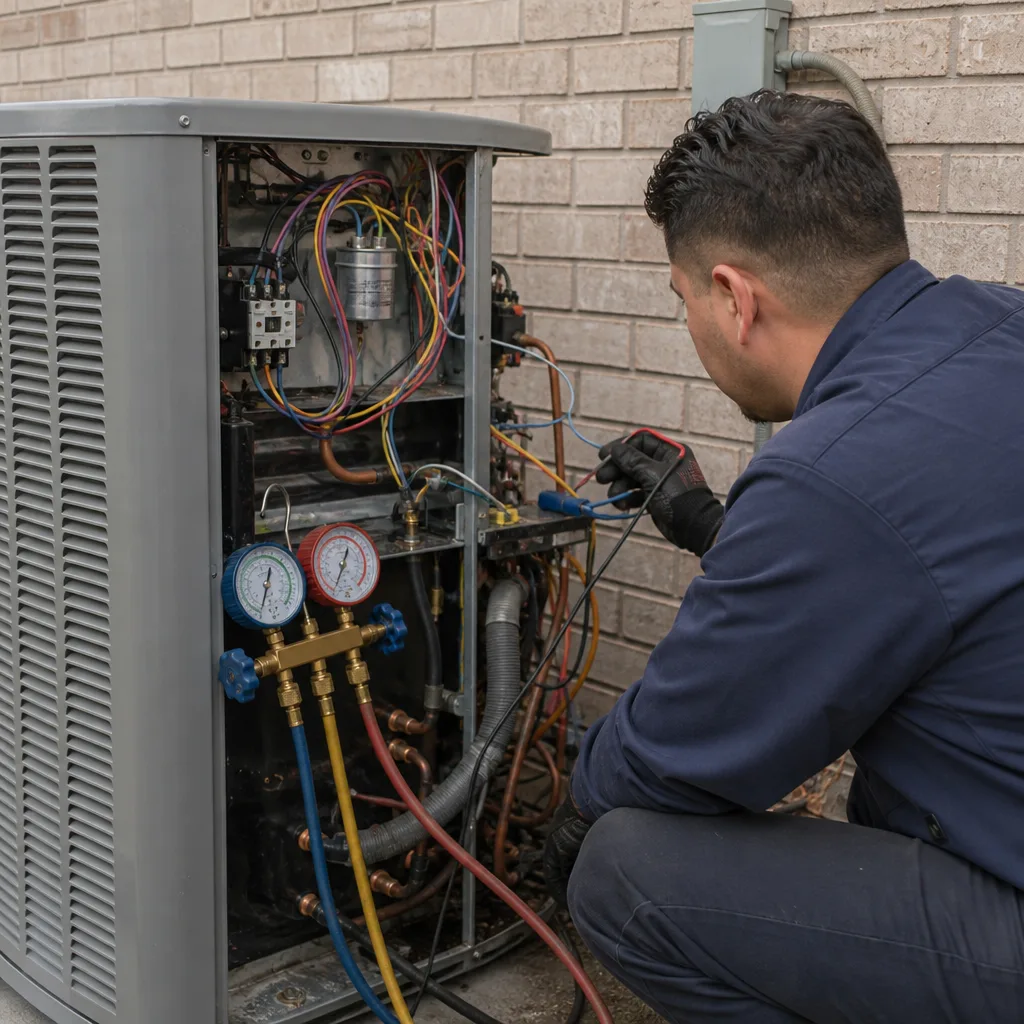 After
After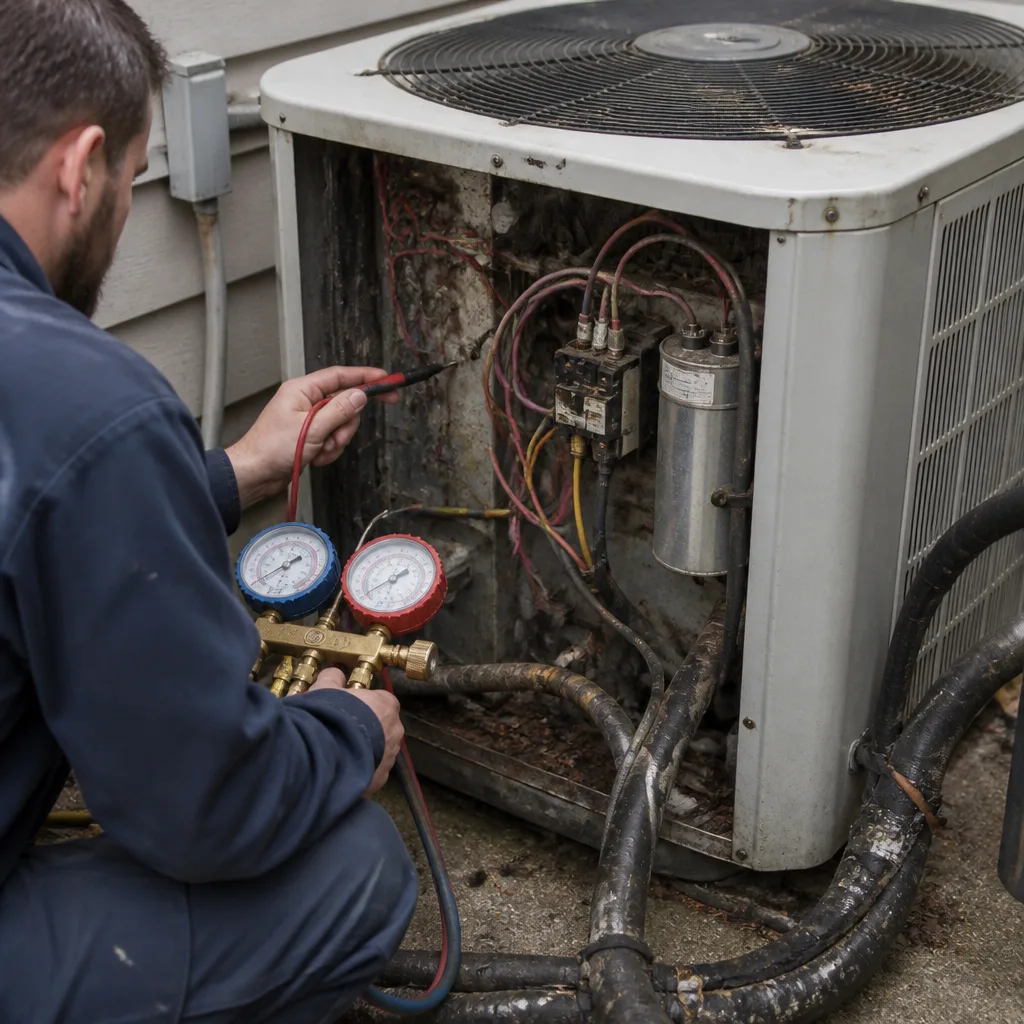 Before
 After
After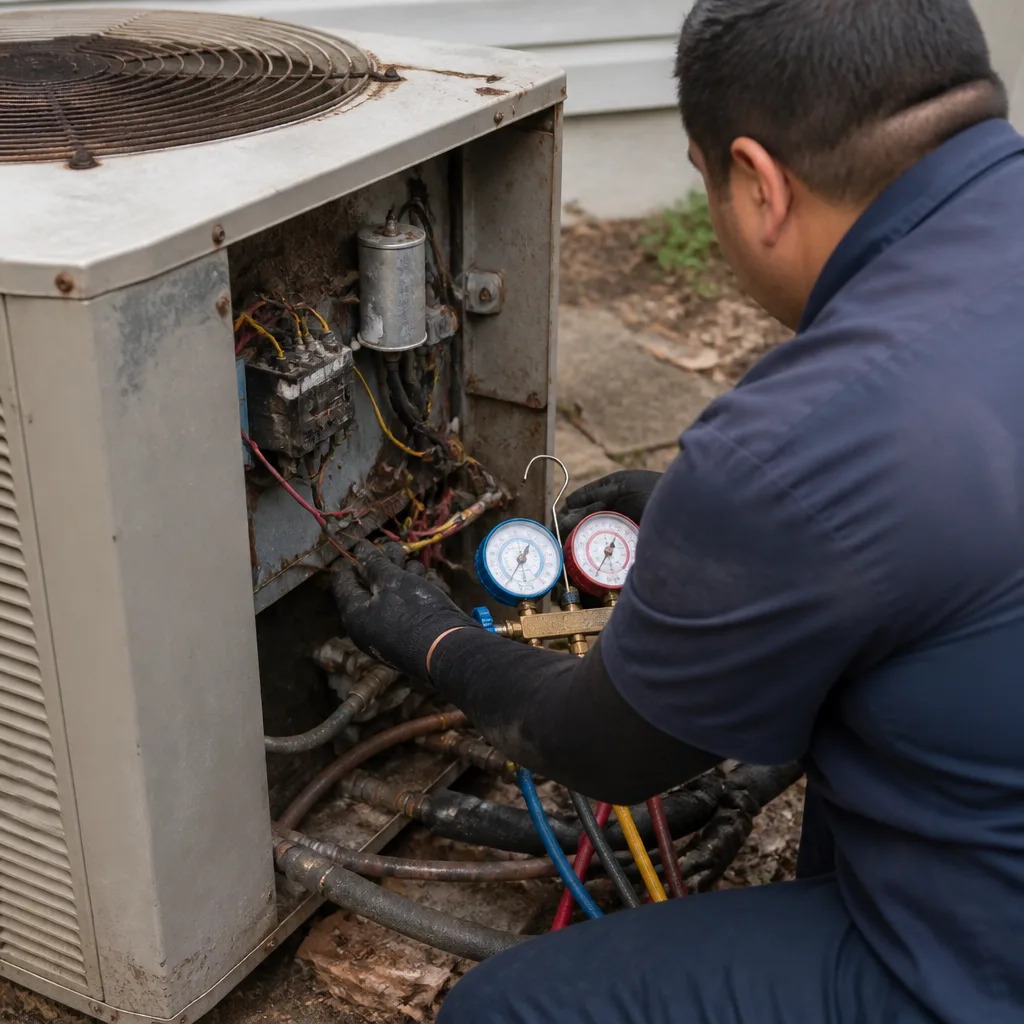 Before
 After
AfterWhen to Call a Professional
Call a technician when the outdoor unit hums but the fan does not spin, when the delta-T drops below 15 degrees on a warm day, when ice forms on the indoor coil or on the copper line outside, when the breaker trips more than once, when the condensate pan overflows despite your flushing, or when the system starts making a sound it has never made before. These are the call-now signals. Do not wait for the next heat wave in Dallas to decide the system matters. Cold Harbour Heating and Air Dallas offers free estimates in Dallas. Call (430) 213-5796 and a licensed technician will show up in the window we give you, with a written price in hand before any work begins.
Frequently Asked Questions
In Dallas, replace the filter every month during the cooling season, from May through September. During the milder months, every two months is usually sufficient. Homes with shedding pets or recent construction may need a more frequent schedule, and a 4-inch media filter will last longer than a 1-inch fiberglass filter. The real test is the light test: if you cannot see light through it, it is done.
You can safely replace the air filter, flush the condensate drain with vinegar and water, clean the outdoor coil with a garden hose from the outside, check thermostat batteries, and record a delta-T reading with a digital thermometer. None of these void a warranty. Any task that requires opening the electrical compartment or the sealed refrigerant system should be handled by a licensed technician, both for safety and for warranty integrity.
A capacitor replacement in Dallas typically runs $200 to $400, including the part, labor, and the service call. The capacitor itself is a $15 to $40 part. The rest is the expertise to diagnose it correctly and the trip to your home. At Cold Harbour Heating and Air Dallas, the written price is handed to you before the work begins, and the repair is covered by our written 365-Day Done Right Promise. Call (430) 213-5796 for an exact quote.
A normal delta-T, the temperature difference between return air and supply air, runs 15 to 20 degrees in a properly working system. On a 100-degree Dallas afternoon, the system will struggle to maintain comfort, but the split should still measure in that range. A split below 15 degrees points to low refrigerant, a clogged filter, or poor airflow. A split above 20 degrees points to restricted airflow and a coil that is likely freezing.
Dallas’s humid subtropical climate pushes three to five gallons of water through your condensate line every day during the cooling season. The line is dark, damp, and full of the exact conditions algae needs to grow. Monthly vinegar flushes keep the growth down. If the line clogs repeatedly, the drain may be undersized, improperly sloped, or cracked, and a professional should take a look.
Our technicians are trained to service nine major residential HVAC brands: Carrier, Trane, Lennox, Goodman, Rheem, York, Daikin, Bryant, and American Standard. If your system is one of those, the technician who arrives at your Dallas home can work on it. If it is not, we will tell you honestly and help you find the right path forward. Call (430) 213-5796 and a live person will pick up, any hour, any day.
The Bottom Line
The AC maintenance checklist for a Dallas homeowner is not a list of chores. It is a diagnostic routine built around the six failure points that cause most local breakdowns: the filter, the drain, the capacitor, the refrigerant, the wiring, and the airflow. You can safely inspect most of these in ten minutes a month, write down what you find, and build the documented history that protects your warranty claim. When a reading crosses the line into live voltage or the sealed refrigerant system, you call someone who does it for a living. Furnace repair in Dallas follows the same principles in the winter months, and if your system has reached the end of its service life, our AC installation in Dallas guide covers replacement costs and timelines. The name Cold Harbour comes from the roadside shelter where travelers waited out the weather. Comfort in any season is the job, and in Dallas, that job starts with a homeowner who knows what to look for.
Written by Victor Mancini, Owner at Cold Harbour Heating and Air Dallas, serving Dallas since 2003.