
Last updated October 16, 2026
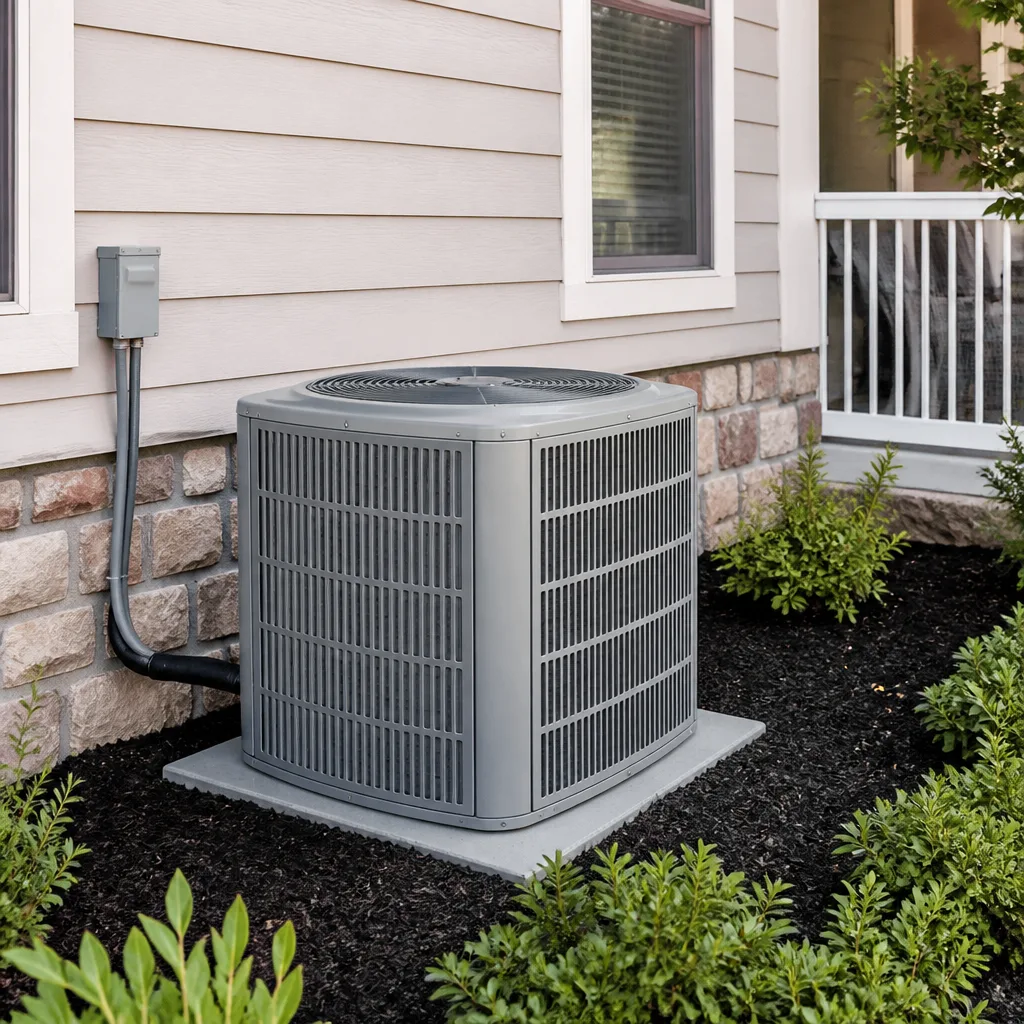 AC repair
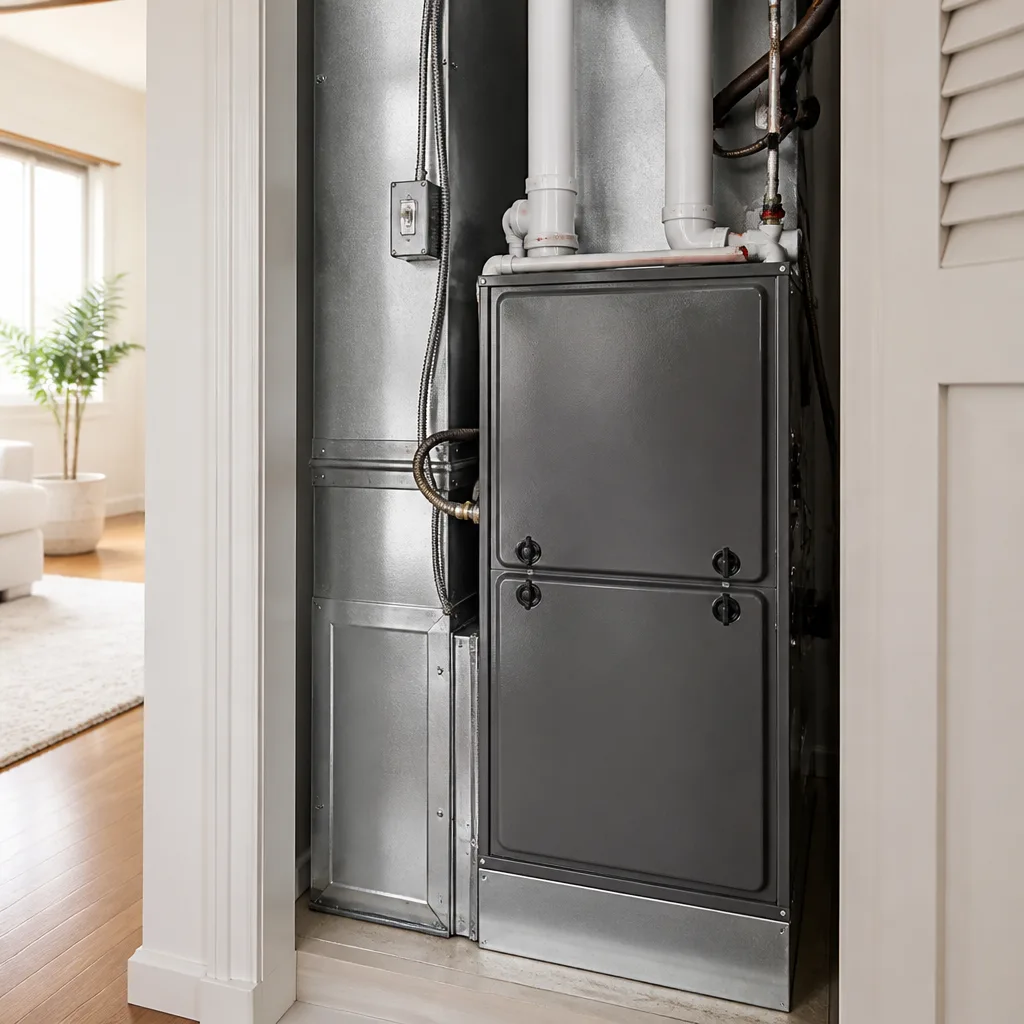 Furnace & heating
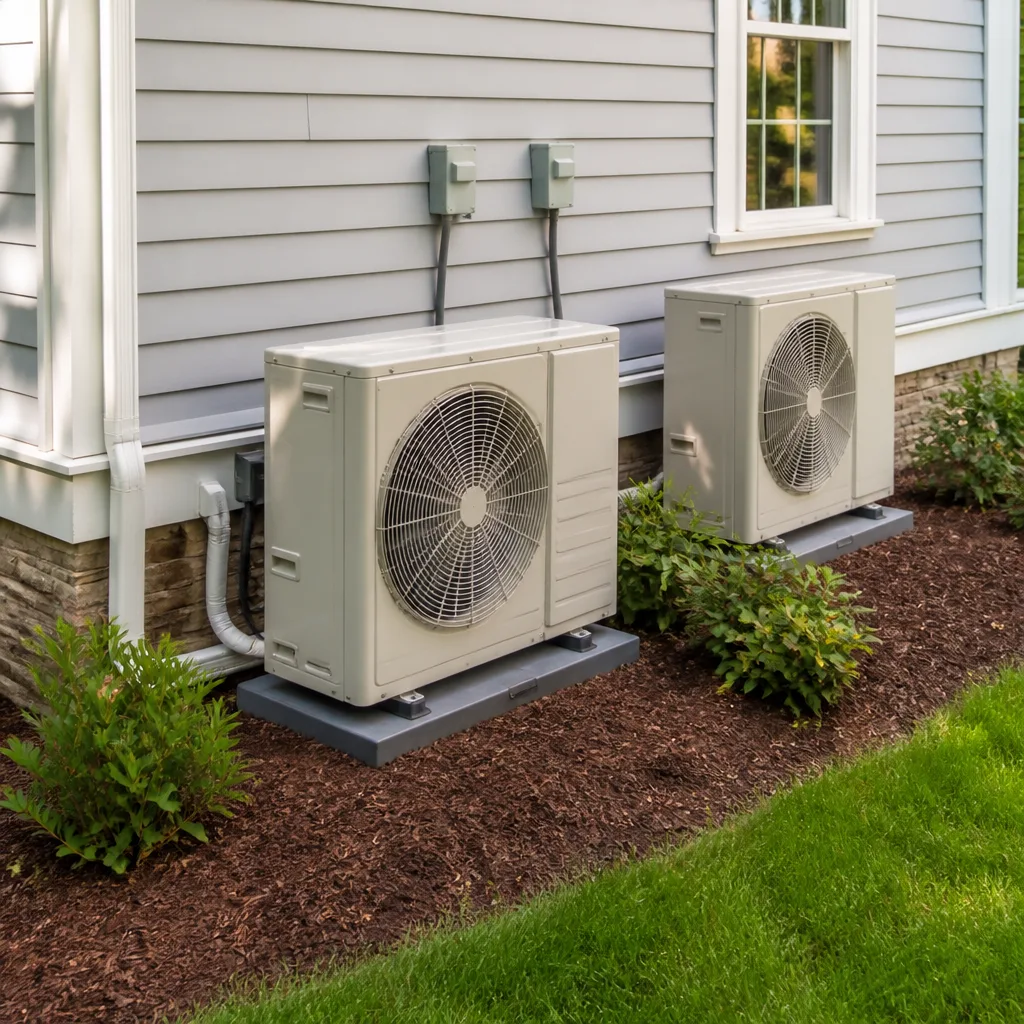 Heat pumps
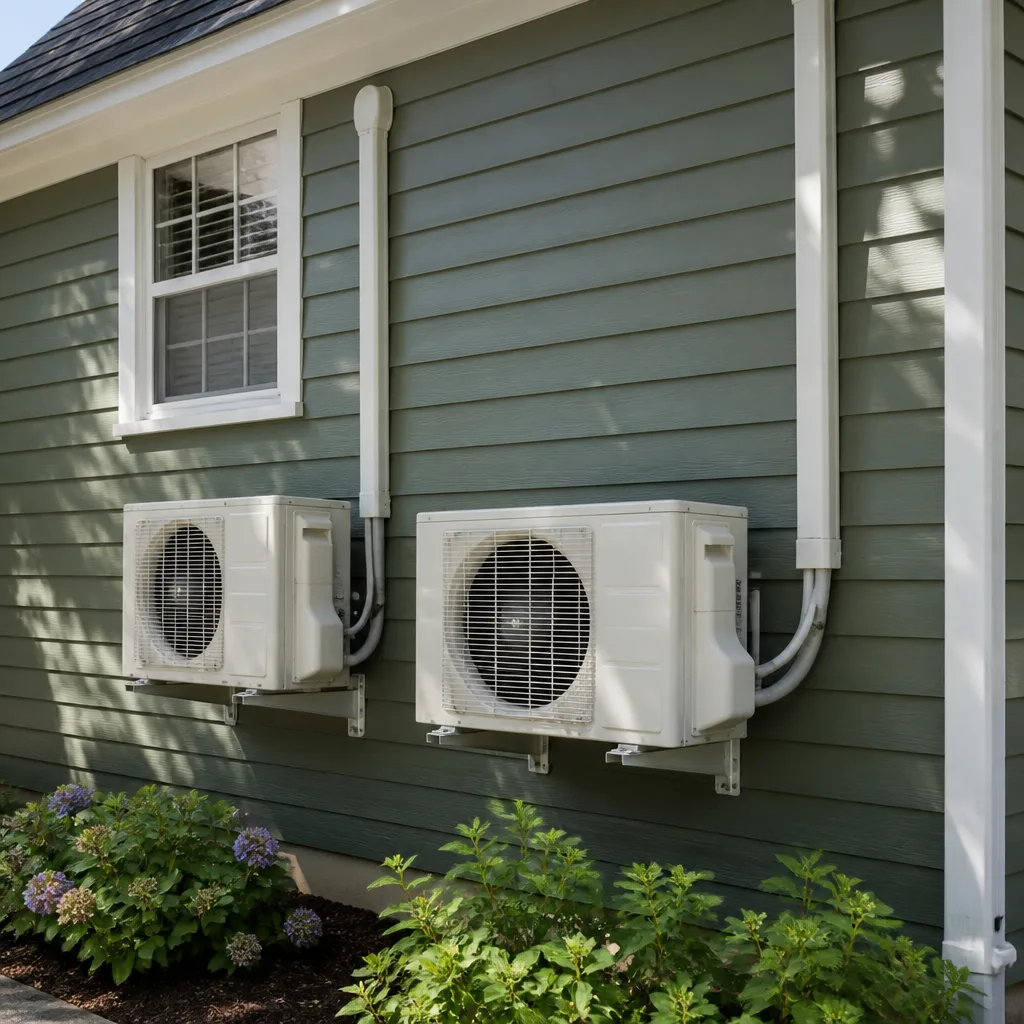 Ductless mini splits
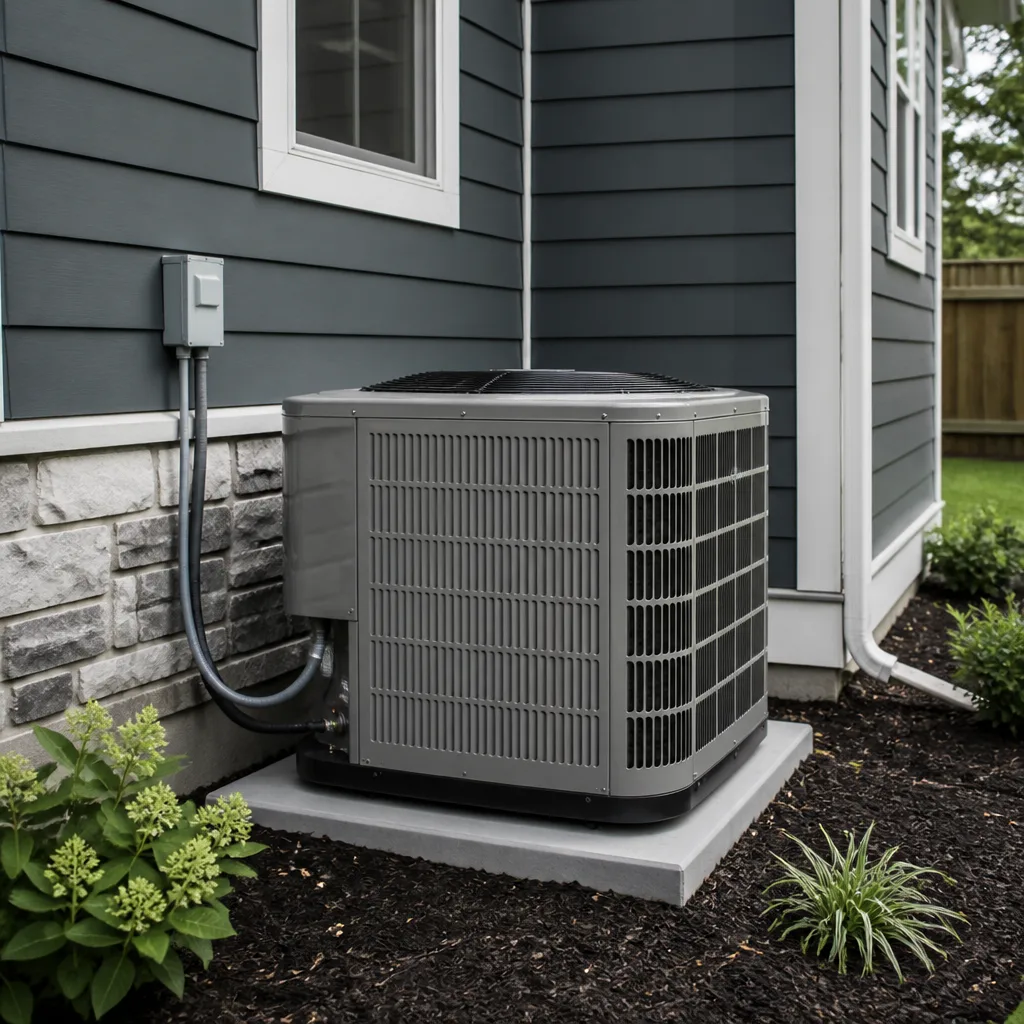 Carrier
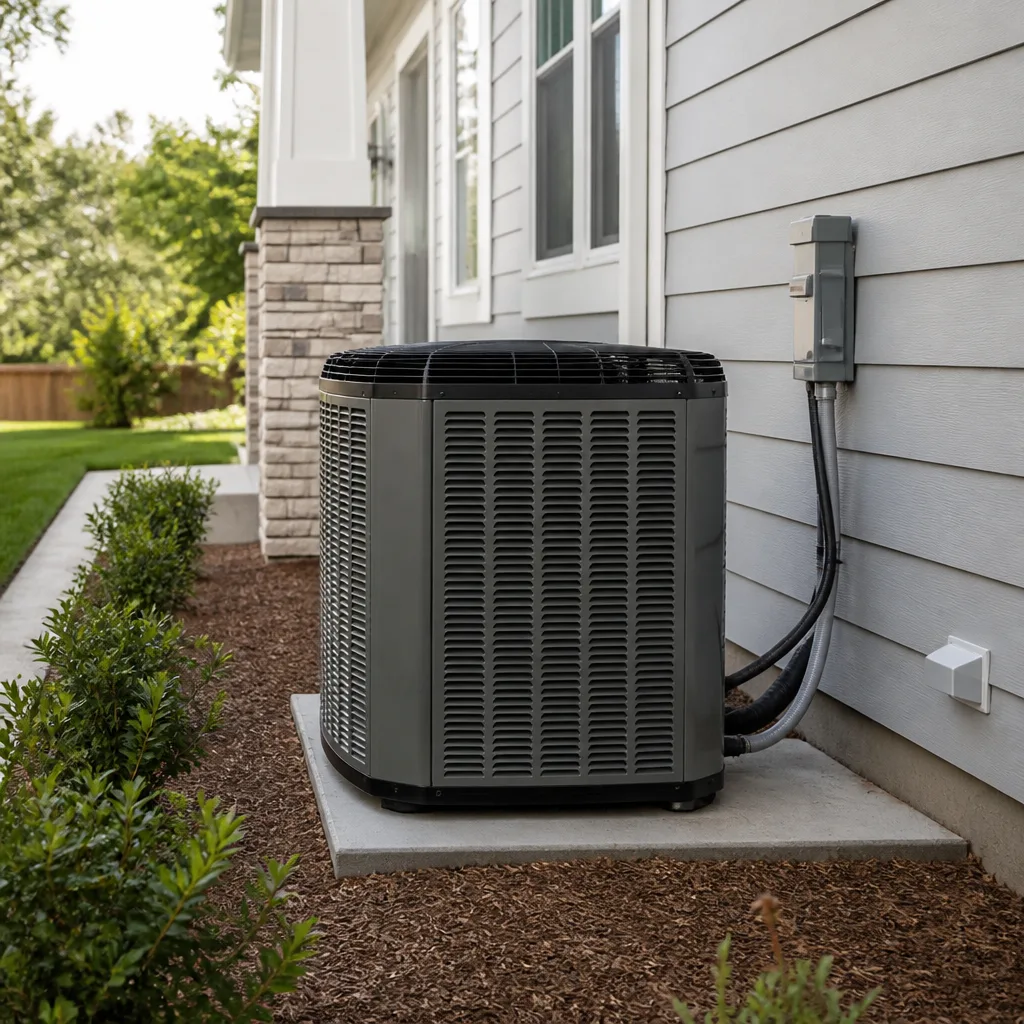 Trane
TraneSeasonal tune-up and full diagnostic on your Carrier, Trane, or Goodman system - readings shown to you before any repair is proposed
Diagnosis first, numbers second - you approve the repair price before a single part goes in.
Get your free estimateDIY vs Professional HVAC: The Dallas Homeowner’s Decision Guide
Replacing your own air filter is DIY. Recharging your own refrigerant is a federal crime: it requires an EPA 608 certification, and purchasing refrigerant without one is illegal regardless of what a YouTube tutorial tells you. Somewhere between those two extremes sits a gray zone that costs Dallas homeowners thousands of dollars every year in voided warranties, failed inspections, and botched repairs that a licensed technician would have fixed in under an hour. This guide draws that line task by task, so you know exactly where your time and money are well spent, and where calling Cold Harbour Heating and Air Dallas home is the only choice that protects your investment in a Dallas home that already works hard enough against the heat.
Quick Answer
DIY makes sense for routine maintenance: filter changes, thermostat battery swaps, condensate line clearing, and keeping outdoor units clear of leaves and debris. It stops making sense the moment a repair touches refrigerant, electrical components, gas lines, or anything governed by the Texas Department of Licensing and Regulation, where unlicensed work can void warranties and create code violations that surface at resale. For anything beyond basic upkeep, a licensed Dallas HVAC professional costs more up front but protects you from the expensive mistakes.
Styles & brands we work with
Table of Contents
- Safety First: The Jobs Where DIY Can Hurt You
- The Definitive Task List: DIY, Cautious DIY, and Professional Only
- Warranty Voiding: The Hidden Cost of DIY Repairs
- Texas and Dallas Rules: Permits, Licensing, and Resale
- Honest Cost Comparison: Three Common Jobs
- How to Evaluate an HVAC Repair Video Online
- Common Mistakes to Avoid
- When to Call a Professional
- Frequently Asked Questions
Safety First: The Jobs Where DIY Can Hurt You
Dallas summers push air conditioners to their limits. When a system fails in August, the temptation to fix it yourself is strong, and we understand that. But some HVAC work carries risks that go far beyond a broken part. Before you open a panel, here is what you are actually dealing with.
Electrical Hazards
Your central air conditioner runs on 240 volts. That is the same voltage that powers your oven and dryer, but unlike an appliance you can unplug, an AC unit is hardwired to a dedicated breaker. A capacitor inside the condenser can hold a lethal charge even after the power is off. Touching the wrong terminal can stop your heart. We have seen homeowners in Dallas neighborhoods like Lake Highlands and Oak Cliff end up in an emergency room after underestimating a capacitor. The fix itself is straightforward for a trained technician, but the diagnostic step requires a multimeter, knowledge of microfarad ratings, and a healthy respect for stored energy. None of that is worth learning on the fly at 2 p.m. on a 104-degree day.
Refrigerant and Federal Law
Section 608 of the Clean Air Act is unambiguous: anyone handling refrigerants must hold an EPA 608 certification. Buying, selling, or possessing refrigerant without certification is a federal violation. Penalties include fines of up to $37,500 per day, and the EPA has pursued homeowners, not just businesses. Beyond the legal exposure, refrigerant is dangerous. It can cause frostbite on contact with skin, and inhaling it in a confined space can cause asphyxiation. If your system is low on refrigerant, that means there is a leak, and leaks require leak detection equipment, brazing, and a vacuum pump to repair correctly. This is not a gray area. This is a hard stop: call a professional for anything involving refrigerant.
Gas Furnaces
Furnace repair in Dallas is a cold-weather concern, but it matters when it matters. A gas furnace involves natural gas, an open flame, and a heat exchanger. A cracked heat exchanger can leak carbon monoxide into your home; that is a colorless, odorless gas that kills. Even routine work like replacing a flame sensor requires shutting off the gas, disassembling the burner assembly, and reinstalling everything without creating a combustion leak. If you smell gas, leave the house and call the gas company before anyone else. For repairs inside the furnace cabinet, call a licensed professional. The cost of a Furnace Repair in Dallas visit is trivial compared to the risk of doing it wrong.
High-Voltage Disconnects and Wiring
Loose electrical connections inside an HVAC system cause heat. That heat melts insulation, and that melting creates a short, and that short creates a fire. We have opened units where a homeowner’s splice was already charring. Tightening a terminal block sounds simple, but torque specs exist for a reason, and a slightly loose connection on a 240-volt circuit is a fire hazard. Leave electrical work to someone who carries a torque screwdriver and knows the manufacturer’s specifications.
The Definitive Task List: DIY, Cautious DIY, and Professional Only
Here is the HVAC Cost Breakdown: The Dallas Homeowner’s Reference for 2026 every Dallas homeowner should bookmark. The tasks are sorted into three categories based on risk, code requirements, and warranty implications.
Safe DIY
- Air filter replacement: Every 1 to 3 months, depending on pets, dust, and pollen. A dirty filter restricts airflow, raises your energy bill, and shortens equipment life. This is the single highest-ROI task on the list.
- Thermostat battery replacement: When the display dims or the system acts erratically, swap the batteries before calling anyone.
- Clearing the outdoor unit of leaves, grass clippings, and debris: Keep two feet of clearance around the condenser. Turn off power at the breaker first, then use a garden hose with a gentle spray to rinse the fins. Never use a pressure washer on condenser fins.
- Clearing the condensate drain line: A wet/dry vacuum on the outdoor drain outlet can clear a clog that would otherwise trigger a float switch and shut down your AC. Pour a cup of white vinegar through the line afterward to slow future algae growth, especially in Dallas humidity.
- Checking and closing supply registers: Make sure at least 80% of your registers are open to maintain proper airflow across the evaporator coil.
Safe DIY With Caution and the Right Tool
- Replacing a thermostat with a like-for-like model: If you label every wire before disconnecting, and the new thermostat uses the same wiring configuration, this is manageable. If you see wires that do not match the new unit’s terminals, stop and call a professional.
- Condensate pump replacement: If your indoor unit sits in an attic or basement with a pump, swapping a failed pump is doable if you can match the pump’s voltage and head specifications. Wrong pump sizing leads to overflow and water damage.
- Cleaning the evaporator coil: If you can reach it safely with the correct no-rinse coil cleaner, this improves efficiency. If access requires removing panels that contain refrigerant lines, stop: you are now touching a sealed system.
- Insulating exposed ductwork in the attic: Dallas attics hit 140 degrees in summer. Sealing duct joints with mastic and adding insulation is tedious but does not require a license. Wear a mask and gloves.
Licensed Professional Only
- Any refrigerant work: Leak detection, recharging, recovering, or replacing refrigerant requires EPA 608 certification. No exceptions.
- Capacitor replacement: Requires stored-energy safety knowledge and the ability to match the exact microfarad rating. A wrong capacitor can damage the compressor, and that is a $2,500-plus mistake.
- Contactor replacement: A contactor is a heavy-duty relay. The visible corroded contacts are the easy part; the correct amperage rating and coil voltage are the part that starts fires when wrong.
- Compressor replacement: This is a sealed-system job requiring refrigerant recovery, brazing, deep vacuum, and recharging. It is the single most expensive component in your AC, and warranty coverage on a replacement compressor almost always requires installation by a licensed technician.
- Heat exchanger inspection or replacement: Carbon monoxide exposure is the risk. Combustion analysis requires specialist tools and training.
- Circuit board replacement: Modern furnaces and air handlers use integrated control boards. Installing one incorrectly can destroy the new board and the transformer.
- Any work requiring a permit: See the next section.
Warranty Voiding: The Hidden Cost of DIY Repairs
Most manufacturers are explicit: the warranty on your equipment covers defects, not damage, and they consider installation or repairs not performed by a licensed contractor to be potential damage. Goodman, Rheem, York, and Daikin all publish warranty terms that require installation by a qualified professional, and many require proof of licensed service when a warranty claim is filed.
Here is the scenario we see play out in Dallas homes every year. You replace a capacitor yourself with a part you bought online. The capacitor looks the same, but its microfarad rating is close to correct rather than exact. It works for a few months, then the compressor fails. The compressor is under warranty, so you call the manufacturer. The manufacturer asks for proof of installation by a licensed contractor. You cannot provide it. The warranty claim is denied. Now you are paying $2,500 to $4,000 out of pocket for a compressor that would have been covered.
Warranty voiding is not limited to parts you touch directly. If a manufacturer can demonstrate that DIY work elsewhere in the system contributed to the failure, the claim can be denied even if the failed component was never touched. Loose electrical connections from a sloppy DIY repair can cause voltage problems that destroy a control board. A refrigerant leak you tried to patch with a leak-stop product can contaminate the entire system. In our experience, the homeowners who save $100 on DIY wiring are frequently the same homeowners who later pay full price for major repairs that should have been covered.
Texas and Dallas Rules: Permits, Licensing, and Resale
Texas is a licensing state. Anyone who performs heating, ventilation, or air conditioning work for compensation must hold a license from the Texas Department of Licensing and Regulation (TDLR), which oversees the Texas Air Conditioning and Refrigeration Contractors Advisory Board. There are two relevant license types: a Class A license covers all sizes of equipment, and a Class B license covers systems up to 25 tons. The practical takeaway: any company doing HVAC work in Dallas should be able to show you a TDLR license number, and you should ask for it.
Homeowner Permits: The Exemption That Does Not Protect You
Texas allows a homeowner to perform work on their own residence without a contractor’s license, provided the home is their homestead and they are not doing the work for a third party. This is often cited as a green light for DIY.
What that exemption does not do is exempt you from the requirement to obtain a permit when one is required. The City of Dallas requires HVAC Permits, Codes & Inspections in TX: What You Need to Know for most HVAC work, including AC installation, system replacement, and significant electrical or gas line modifications. When a licensed contractor does the work, pulling the permit is part of the job. When a homeowner does the work, the homeowner is responsible for pulling the permit, meeting code, and scheduling the inspection.
The Resale Problem
When you sell a Dallas home, the buyer’s home inspector will look for permits matching visible work. Discrepancies get flagged. A buyer who discovers unpermitted HVAC work, or work that was not done to code, has leverage to demand a price reduction, ask for a cash allowance, or walk away. We have heard from Dallas realtors who see this regularly: the homeowner saved $800 on a DIY furnace swap, then conceded $5,000 at closing to cover the cost of bringing the system to code. In the worst cases, an appraiser will not count an unpermitted system toward the home’s value, which hurts you long before negotiation starts.
If you do any work yourself and then sell, disclose it. The Texas Property Code and the Texas Deceptive Trade Practices Act both have teeth, and a buyer who discovers undisclosed unpermitted HVAC work after closing can pursue legal remedies. The math rarely works in the seller’s favor.
Honest Cost Comparison: Three Common Jobs
Let’s talk actual dollars for three common HVAC jobs in the Dallas market. These are real-world ranges, including the cost of mistakes, which is where most DIY cost analyses fall apart.
1. Air Filter Replacement: DIY Wins
- DIY cost: $8 to $25 for a good MERV 8 to MERV 11 filter at any Dallas hardware store, plus ten minutes of your time.
- Professional cost: $20 to $45 if done as part of a maintenance visit. The professional’s advantage is that they check sixteen other things at the same time.
- Mistake cost: Using the wrong filter size (too small) lets unfiltered air bypass the filter and coat the evaporator coil in dust; that chokes airflow and can cause coil freezing. A too-restrictive filter (MERV 13 in a system designed for MERV 8) increases static pressure and shortens blower motor life. The new motor costs $400 to $1,200.
2. Capacitor Replacement: DIY Is Tempting, and Risky
- DIY cost: $15 to $40 for the part online, plus a multimeter if you do not own one ($25 to $60). Time: one hour if you know exactly what you are looking at.
- Professional cost: $180 to $340 in Dallas for a capacitor replacement, including the service call, diagnosis, part, and labor. This is what you would pay for AC Repair in Dallas from a licensed company.
- Mistake cost: Installing a capacitor with the wrong microfarad rating can overheat and destroy the compressor. A new compressor costs $2,500 to $4,500 installed. Installing the new capacitor without safely discharging the old one can result in a severe electrical shock. This is the job where the risk-reward math is worst for homeowners.
3. Refrigerant Recharge: DIY Is Not an Option
- DIY cost: Not legally available. Purchasing R-410A or R-22 without an EPA 608 card is a federal crime, and anyone selling to you is committing one too. DIY cost is therefore not a meaningful number.
- Professional cost: $200 to $600 for leak detection and a partial recharge, $800 to $2,500 for leak repair and a full recharge, depending on system size and refrigerant type. R-22 systems are more expensive because R-22 production has been phased out and prices have climbed.
- Mistake cost: Overcharging a system is as bad as undercharging. An overcharged system raises head pressure, stresses the compressor, and shortens its life. Releasing refrigerant into the atmosphere is a violation with EPA fines of up to $37,500 per day. There is no upside to attempting this yourself.
How to Evaluate an HVAC Repair Video Online
There is no shortage of HVAC videos online, and some are genuinely excellent. The problem is separating the excellent ones from the confidently wrong ones, and that is harder than it looks. Here is what we look for when we watch them ourselves.
- Check the presenter’s credentials: Are they a licensed HVAC contractor, a manufacturer trainer, or a building-science engineer? Or are they a homeowner with a ring light and a lot of confidence? A license number in the channel description is a good sign. A comment section full of working techs correcting the presenter is a bad one.
- Watch for the skipped safety steps: Does the presenter turn off the power at the breaker and verify with a multimeter before touching anything electrical? Do they discharge the capacitor before handling it? If those steps are missing, the video is teaching you bad habits even if the technical content is correct.
- Look for troubleshooting logic, not just a replacement: The best videos teach you how to test a part and confirm it is bad before replacing it. The worst videos just say “swap it and see.” Parts-cannon replacement is how a $150 problem becomes a $600 parts lottery.
- Check for the steps that are inconvenient to film: Brazing a refrigerant leak requires nitrogen purging, a proper vacuum, and micron gauge verification on a deep vacuum pump. These steps are slow and boring to film. Videos that skip them and cut straight to “add refrigerant and done” are teaching you contamination and compressor failure.
- Note the equipment’s age and type: A repair procedure for a 2015 Goodman heat pump is not the same as one for a 2022 variable-speed Daikin. If the video is showing a component that does not exist in your unit, close the tab.
Common Mistakes to Avoid
- Buying the cheapest replacement part you can find online: No-name capacitors and contactors from unverified sellers are the #1 cause of repeat failures we see in Dallas homes. A $12 capacitor that fails in six weeks and takes out your compressor is not a bargain.
- Replacing a part before confirming it is actually bad: A blower motor that is not running could have a dead capacitor, a bad relay, a cracked control board, or a wiring fault. Replacing the motor first because it is the biggest part is the most expensive way to diagnose.
- Adding refrigerant every year instead of finding the leak: Refrigerant does not get used up. A system that needs annual recharging has a leak, and the leak will not fix itself. Small leaks become big leaks, and big leaks become compressor replacements.
- Using the wrong filter because it is cheaper: Any filter is better than no filter, but a filter that does not fit the slot is not actually filtering. A filter that is too restrictive is choking your blower. Match the filter to the system, not to the clearance rack.
- Ignoring the condensate drain until the float switch kills the AC: In Dallas humidity, algae grows fast. Pour vinegar down the drain line once a month in summer. The float switch exists to protect your ceiling from water damage, and when it trips, it shuts down your entire system.
- Attempting a furnace repair without a combustion analyzer: You cannot see carbon monoxide. You cannot smell it. A combustion analyzer costs $500-plus and requires training to interpret. Doing gas furnace work without one is gambling blind.
- Assuming the TDLR homeowner exemption covers everything: The exemption covers licensing. It does not cover permits, code compliance, or the manufacturer warranty terms you agreed to when you bought the equipment.
When to Call a Professional
Call a licensed Dallas HVAC contractor-see our guide on How to Hire a HVAC Contractor in Dallas: A Step-by-Step Guide-when the job touches refrigerant, electricity above thermostat level, natural gas, or anything inside the sealed system. Call when a warranty claim is even a possibility, because the manufacturer will ask for proof of licensed service. Call when you have already tried the safe DIY fixes and the problem persists; at that point you are guessing, and guessing is expensive. Cold Harbour Heating and Air Dallas offers free estimates in Dallas, and we show up with the price in writing before any work begins. Call (430) 213-5796 when you want to stop guessing.
Frequently Asked Questions
Most repair visits in Dallas run $150 to $450, with the average falling near $250. Repairs that touch refrigerant or major components run $500 to $2,500. A new system from a licensed installer is a different conversation entirely; expect $8,000 to $16,000 for a full AC Installation in Dallas depending on size and efficiency. Call (430) 213-5796 for an exact quote on your situation; estimates are free.
Yes, with limits. Texas allows homeowners to work on their own homestead without a contractor’s license, but you still must pull any required City of Dallas permits, meet code, and pass inspection. You still cannot handle refrigerant without an EPA 608 certification, and you still cannot do gas work without the appropriate knowledge and permits. Legal does not mean consequence-free, especially at resale.
You can, but you should not, unless you have formal electrical training and the right tools. A capacitor stores a lethal charge even after power is disconnected, and installing one with the wrong microfarad rating can destroy your compressor. This is a $250 professional repair with a potential $4,500 mistake cost for an amateur.
Filter replacement, thermostat battery changes, clearing debris from the outdoor unit, rinsing condenser fins with a gentle hose spray, and clearing the condensate drain line with a wet/dry vacuum are all safe DIY tasks that keep your system running between professional visits.
It can, yes. Manufacturers like Goodman, Rheem, York, and Daikin generally require installation and service by a licensed professional, and a warranty claim can be denied if the manufacturer can link a DIY repair to the failure, even indirectly. When the failed part is a compressor or heat exchanger, that denial is worth thousands of dollars.
Yes. The City of Dallas requires permits for HVAC system replacement and most significant repair work. A licensed contractor pulls the permit as part of the job. A homeowner doing the work themselves is responsible for pulling the permit, meeting code, and scheduling inspection, and unpermitted work becomes a negotiation tool for buyers at resale.
The Bottom Line
The real line between DIY and professional HVAC work is not about whether you are clever enough to fix it; it is about what happens when something goes wrong. A $25 filter change is a no-brainer to do yourself. A $250 capacitor replacement is a no-brainer to leave alone, because the failure mode is a $4,000 compressor. And refrigerant is closed to amateurs, full stop: the legal exposure alone dwarfs any possible savings. The most expensive HVAC mistake in Dallas is not the part you buy; it is the warranty you void, the permit you skip, or the code violation you discover at closing. For everything beyond basic upkeep, hire a licensed company, get the price in writing before the work starts, and get the guarantee on paper. That is how you protect a Dallas home from the heat without betting the house on a YouTube video.
Written by Victor Mancini, Owner at Cold Harbour Heating and Air Dallas, serving Dallas since 2003.
See the difference
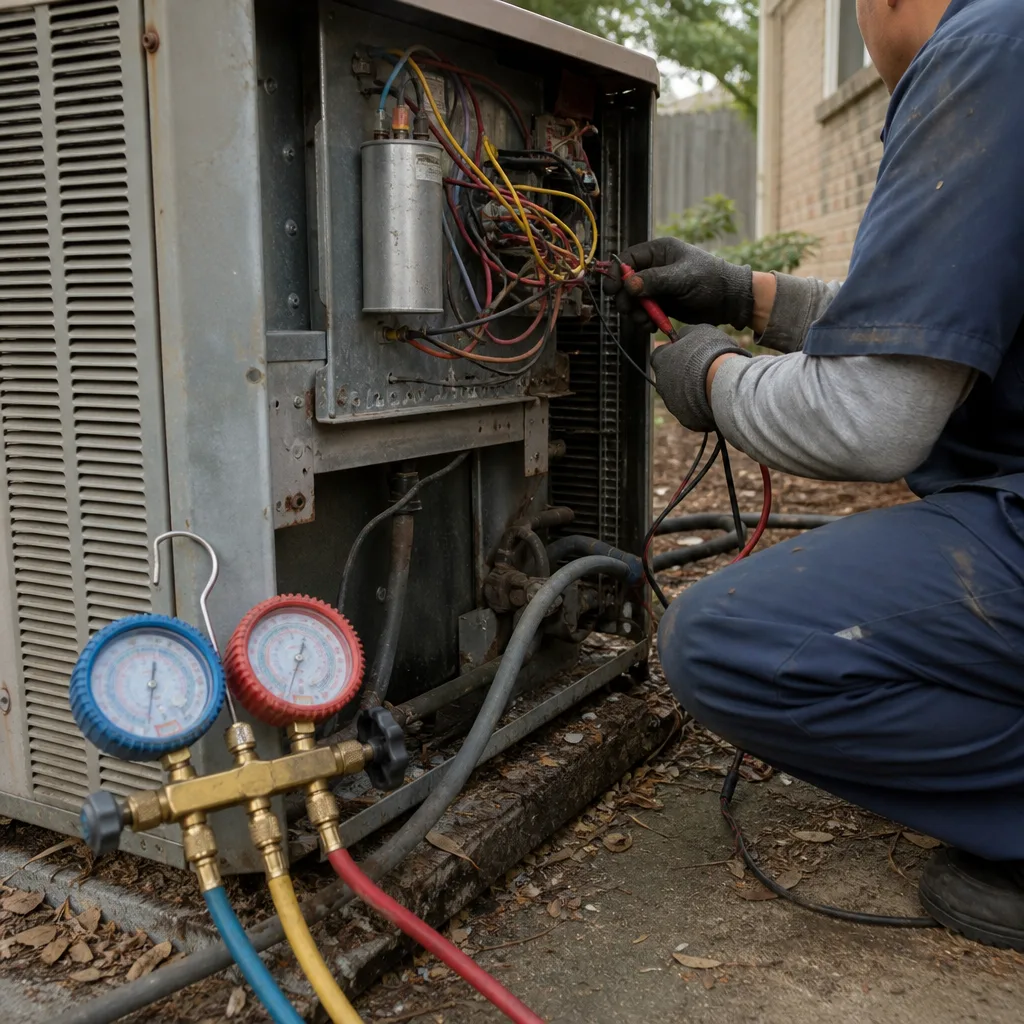 Before
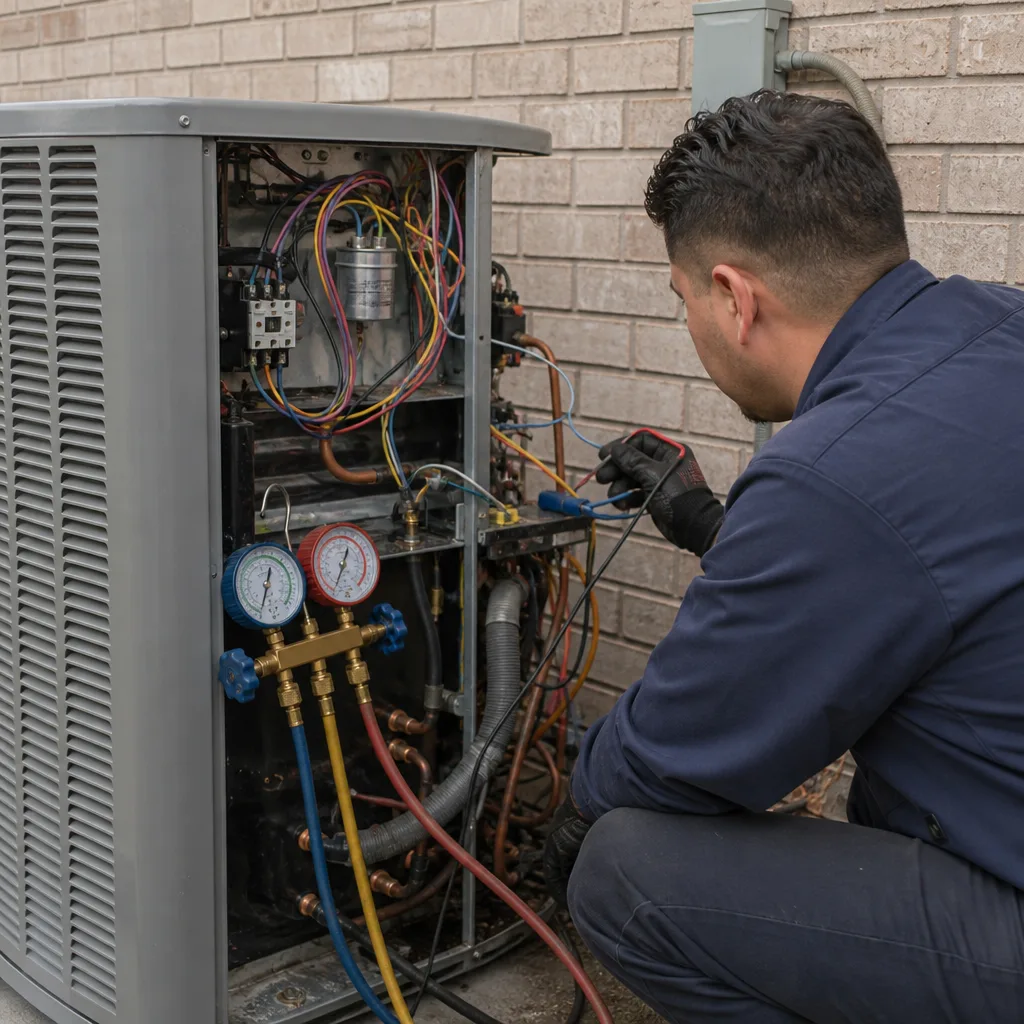 After
After Before
 After
After Before
 After
After