
Last updated October 16, 2026
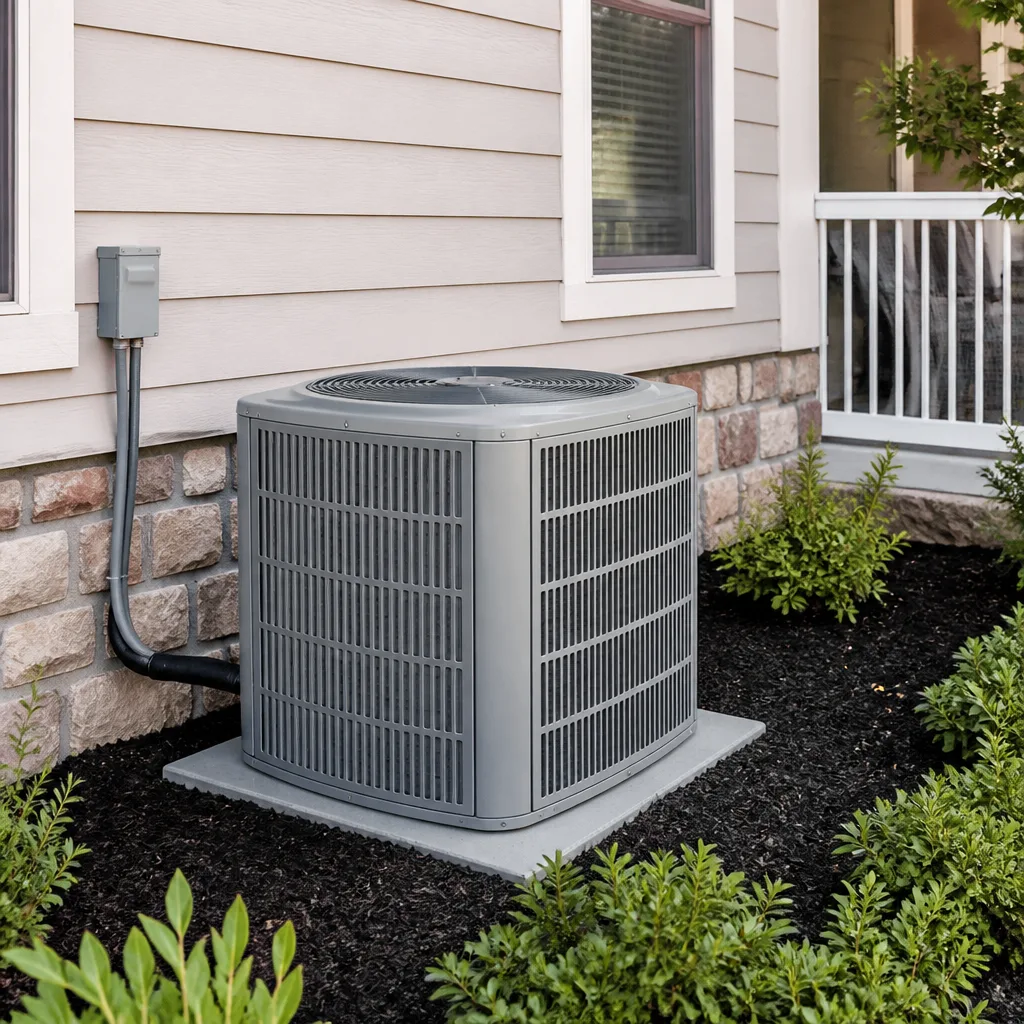 AC repair
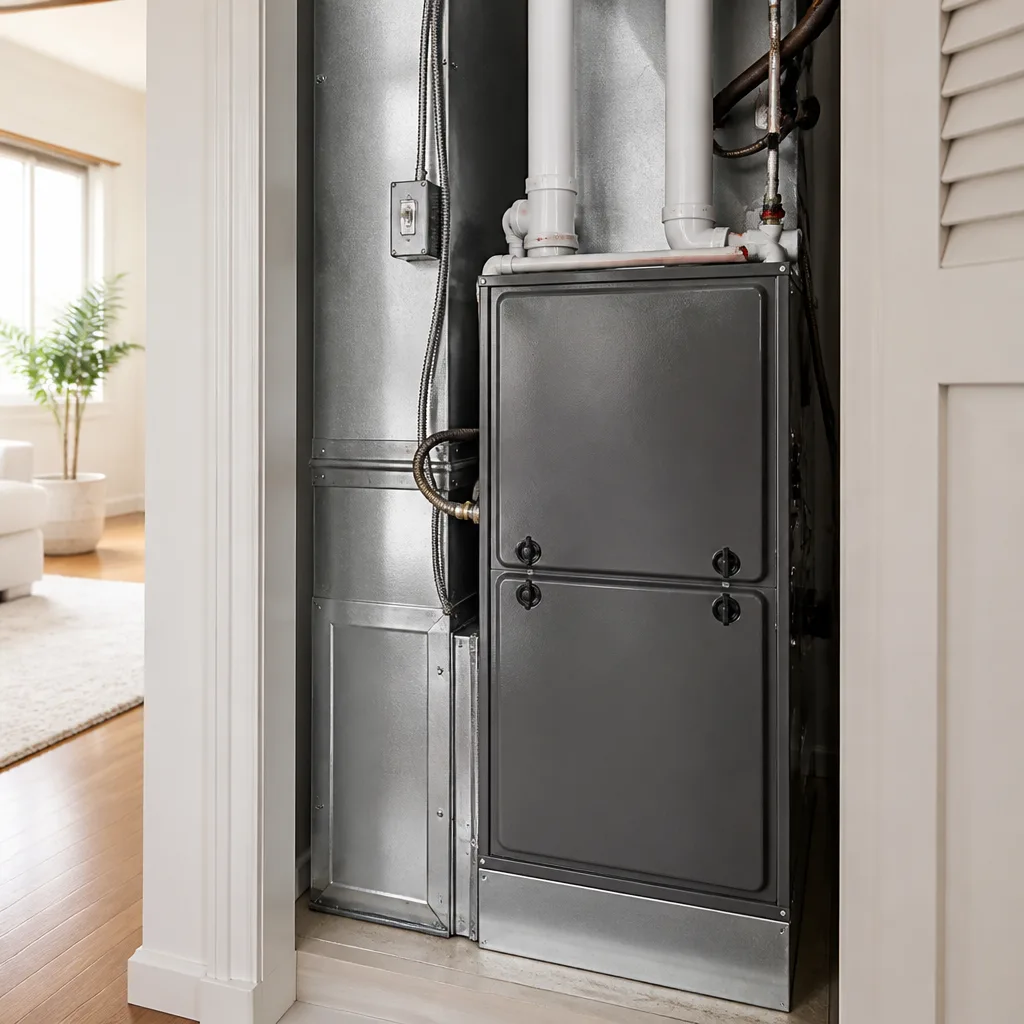 Furnace & heating
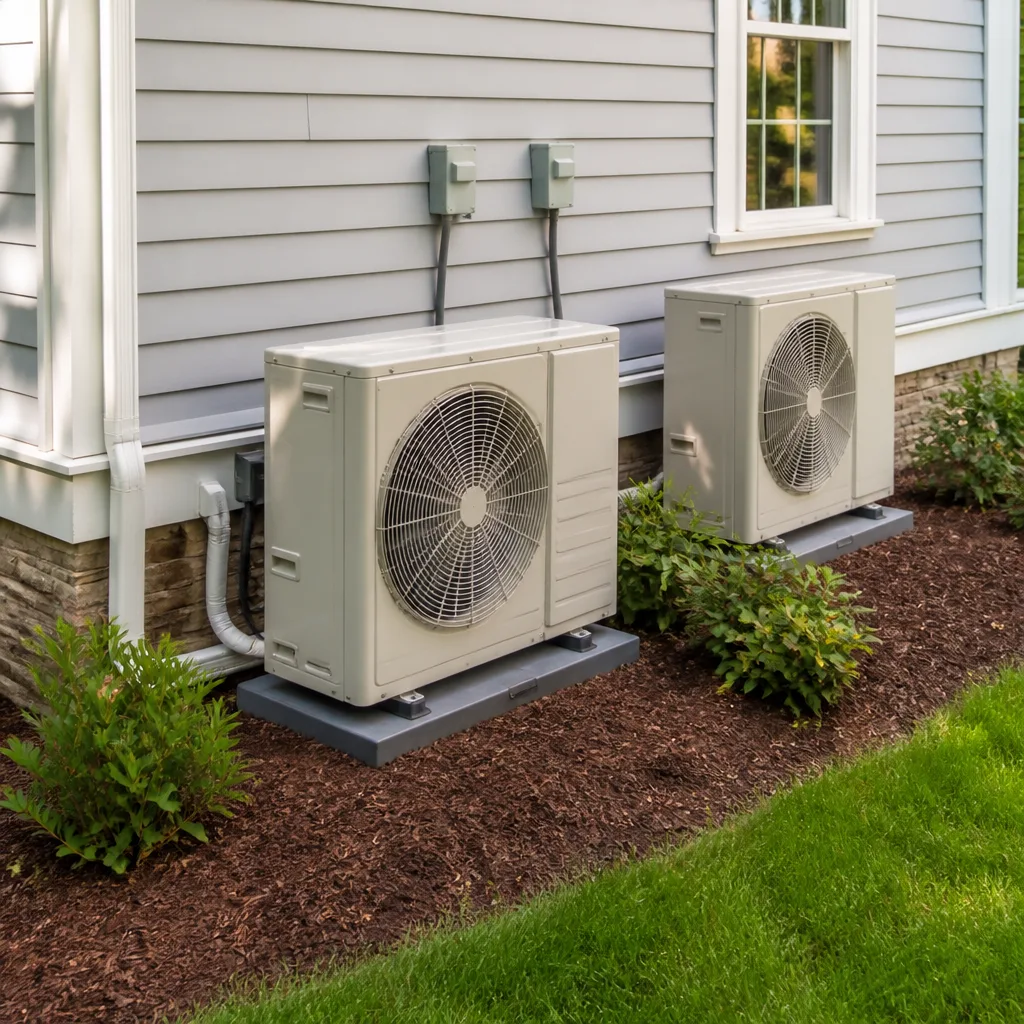 Heat pumps
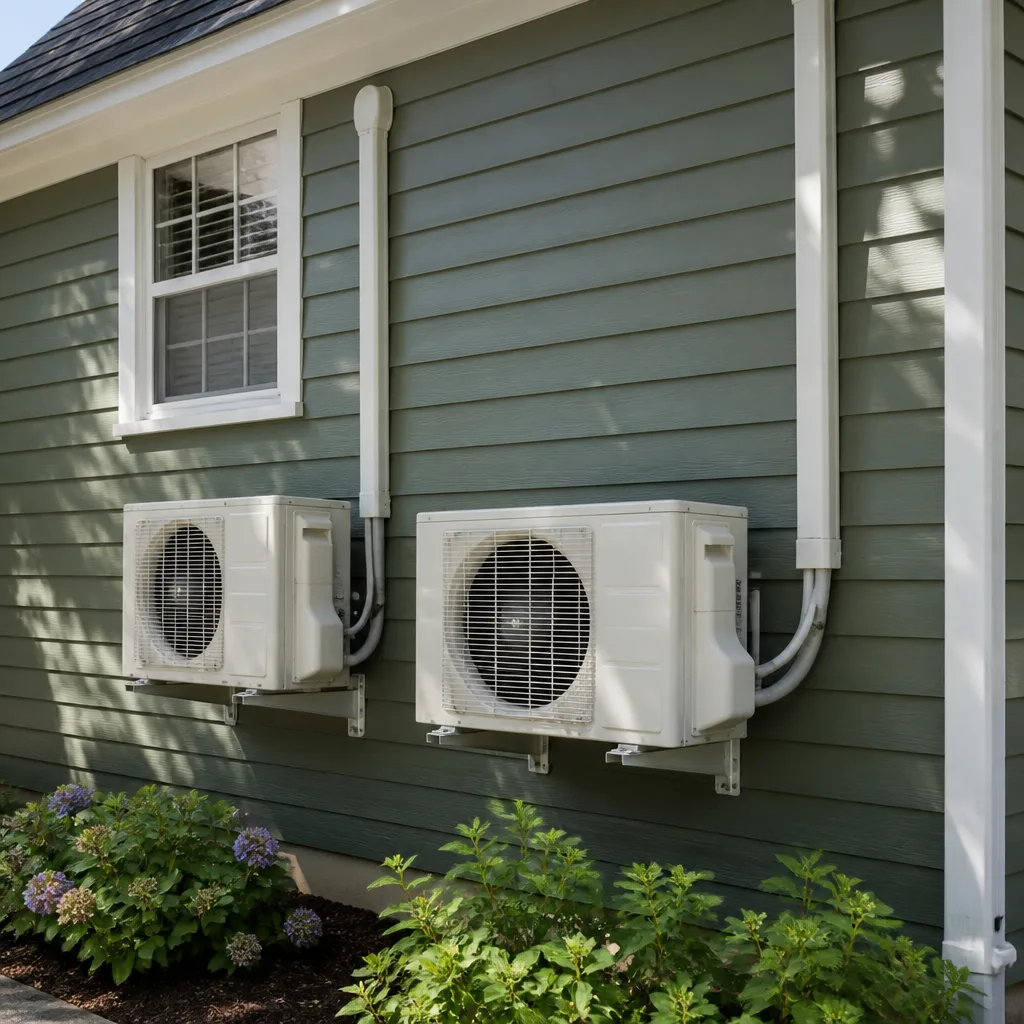 Ductless mini splits
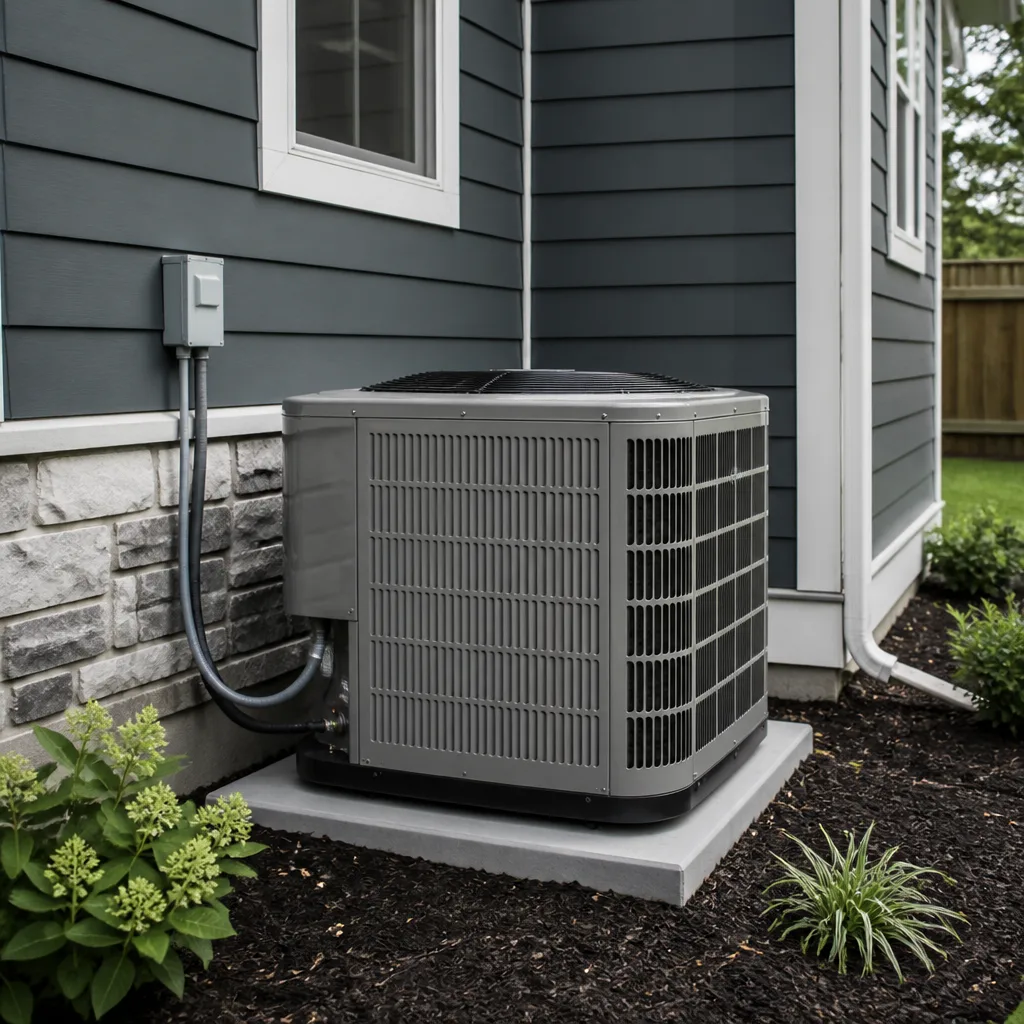 Carrier
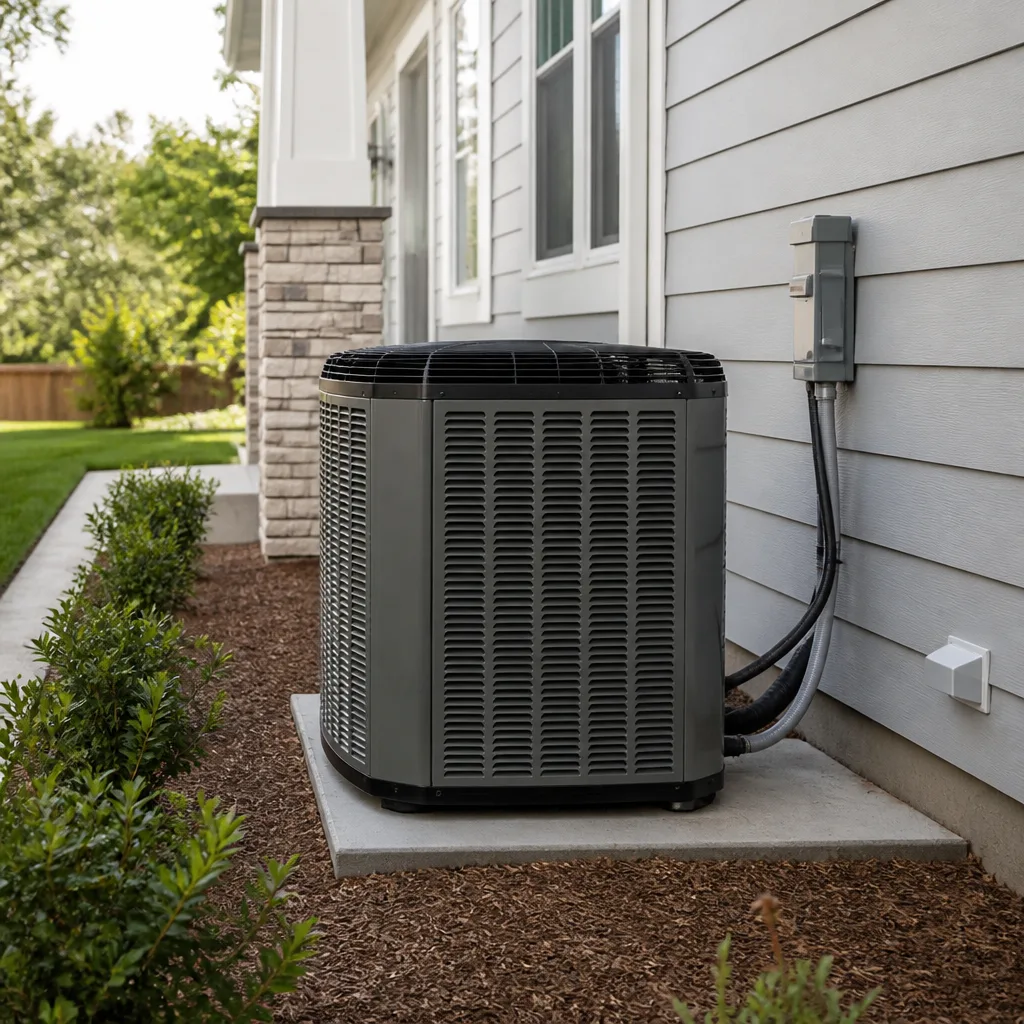 Trane
TraneSeasonal tune-up and full diagnostic on your Carrier, Trane, or Goodman system - readings shown to you before any repair is proposed
Diagnosis first, numbers second - you approve the repair price before a single part goes in.
Get your free estimateHow to Hire a HVAC Contractor in Dallas: A Step-by-Step Guide
Most Dallas homeowners don’t realize that Texas has no statewide HVAC contractor licensing law. The license that actually protects you lives at the city level, and a surprising number of companies running trucks through Oak Cliff, Mesquite, and Richardson are not cleared to pull mechanical permits inside Dallas city limits. When a $400 repair turns into a $4,000 replacement, the root cause is almost always a homeowner who skipped the paperwork. This guide walks you through the exact verification steps, the questions to ask before a tech ever rings your doorbell, and the written guarantees that separate a contractor who stands behind work from one who hopes you’ll forget their name.
Styles & brands we work with
Quick Answer
To hire an HVAC contractor in Dallas, verify their Texas Department of Licensing and Regulation (TDLR) registration and City of Dallas mechanical contractor registration first, then demand a written itemized quote before any work begins, and finally confirm the workmanship warranty in writing with a specific duration and remedy. The right contractor hands you paperwork without being asked, quotes a firm price you can hold them to, and shows up in the window they promised. In our experience across Dallas since 2003, those three behaviors predict a good outcome better than any Yelp score.
Table of Contents
- Step 1: Verify the License (and Why Dallas Is Different)
- Step 2: Ask These Five Questions Before Scheduling Anything
- Step 3: Compare Quotes on 10-Year Cost, Not Sticker Price
- Step 4: Read the Guarantee Like a Lawyer
- Step 5: Recognize the Red Flags Before They Cost You
- Step 6: Build the Paper Trail
- Dallas-Specific Pricing and Market Realities
- Common Mistakes to Avoid
- When to Call a Professional
- Frequently Asked Questions
- The Bottom Line
Step 1: Verify the License (and Why Dallas Is Different)
Here’s the thing most guides won’t tell you: Texas deregulated HVAC licensing at the state level years ago. The Texas Department of Licensing and Regulation (TDLR) still maintains a registration database, but many surrounding cities including Dallas require their own separate mechanical contractor registration tied to permit pulling. A company can be perfectly legitimate in Garland and completely unauthorized to do permitted work at your house in Lakewood.
Here’s the exact verification sequence we recommend to every homeowner in Dallas:
- Ask for the TDLR registration number. Every legitimate HVAC contractor carries one. Write it down. Then go to the TDLR website, click “License Search,” and confirm the name on the registration matches the name on the contract. A mismatch means the person quoting you is not the person registered to do the work. Walk away.
- Ask for the City of Dallas mechanical contractor registration. This is separate from TDLR. If the work requires a permit, and most furnace replacements and new AC installations in Dallas do, the company must be registered with the city. Companies operating in the suburbs often skip this step because it costs money. If they can’t produce it, they can’t legally pull your permit.
- Ask if they will pull the permit, or expect you to. Some companies tell homeowners to pull their own permit to save money. In Dallas, the homeowner can pull a permit for their own residence, but that shifts liability for code compliance to you. A contractor who pulls the permit is staking their registration on the job passing inspection.
- Confirm insurance with a certificate. Ask for a certificate of insurance with at least $500,000 in general liability coverage. A reputable company will email it to you within an hour. If they hem and haw, that’s a red flag.
We’ve been on both sides of this conversation since 2003, and here’s what homeowners in neighborhoods like Preston Hollow and Lake Highlands tell us: the companies that balk at paperwork are the same ones that balk at honoring a warranty. The license check takes ten minutes. It’s the cheapest insurance you’ll ever buy.
Step 2: Ask These Five Questions Before Scheduling Anything
Before you let any contractor through the door in Dallas, get on the phone and ask these five questions. Write down the answers. A contractor who answers all five clearly and without hedging is running a real business. A contractor who dodges is auditioning for the role of the reason you’re reading this guide.
- “Will you give me the price in writing before you start?” If the answer is anything other than “yes, here’s our upfront pricing policy,” you’re dealing with a company that reserves the right to change the number at the door. At Cold Harbour Heating and Air Dallas, the written price is handed to the homeowner before a single tool comes out of the truck, and that number does not change. This is the first plank of what we call The Kingswell Way: say the price before the work.
- “What exactly does your workmanship warranty cover, and for how long?” Listen for specifics. “We stand behind our work” is a slogan, not a warranty. “This repair is covered for 365 days; if it fails, we come back and fix it at no charge” is a promise you can hold in your hand. We put the 365-Day Done Right Promise on paper for every repair we do in Dallas, because a verbal guarantee isn’t worth the breath it’s spoken with.
- “Are your technicians background-checked and uniformed?” This question tells you who’s walking into your house. A company that checks its people and puts them in a company shirt is a company that respects your home and your safety. You should know exactly who is at your door, from the name on the work order to the face on the ID.
- “Do you service my brand of equipment?” Some companies only work on one or two brands and will use your system’s brand as an excuse to sell you a replacement. We train our technicians on nine major residential HVAC brands including Carrier, Trane, Lennox, Goodman, Rheem, York, Daikin, Bryant, and American Standard. The tech who shows up at a house in Oak Lawn or Bishop Arts can work on whatever is already installed.
- “What’s your diagnostic fee, and is it applied to the repair?” A diagnostic fee somewhere between $69 and $129 is standard in the Dallas market. The key is whether it gets rolled into the repair cost if you approve the work. If a company charges a diagnostic fee and then quotes you a repair that doesn’t credit the fee, they’re double-dipping. Ask directly.
Ask these five questions to three different companies. Some of the answers will be the same. The ones that aren’t will tell you everything you need to know.
Step 3: Compare Quotes on 10-Year Cost, Not Sticker Price
Here’s the math most Dallas homeowners never see-detailed in our HVAC Cost Breakdown: The Dallas Homeowner’s Reference for 2026: a new AC system is a 10-to-15-year purchase. The sticker price on the quote is the least important number on the page. What matters is what that system costs to own over a decade in Dallas heat, where your compressor runs 1,800 to 2,200 hours a year compared to 1,200 in a mild climate.
When you’re comparing quotes from different Dallas contractors, line them up on these four numbers:
- Installed price. This is the headline number, but it’s only the starting point.
- SEER2 rating. This measures cooling efficiency. A 14 SEER2 system costs less up front than a 17 SEER2 system, but in Dallas’s 100-degree August, that efficiency gap translates into $80 to $150 per summer in electricity. Over 10 years, the more efficient system often pays for itself, especially with current electricity rates in Oncor territory.
- Parts warranty. Standard is 10 years for the compressor and 5-10 years for other major components, but only if the system is registered. Unregistered equipment often drops to a 5-year base warranty. Ask who handles the registration paperwork. A good contractor does it for you.
- Labor warranty. This is where Dallas contractors quietly differentiate. A 10-year parts warranty doesn’t cover the labor to replace a failed compressor, and that labor bill can run $800 to $1,500. Ask specifically: “If the compressor fails in year 8, what do I pay for labor?” Some Dallas companies cover labor for 1 year. Others cover it for 10. The difference is thousands of dollars in exposure.
We tell homeowners in Far North Dallas and Casa Linda to compare quotes on a simple 10-year spreadsheet: installed price, plus estimated annual energy cost at your current rate, minus any rebate, divided by the number of years you expect to live there. A $2,000-cheaper system that costs $150 more per year to run catches up in cost by year 13 and is a worse deal for the next owner too. Danfoss compressors, Copeland scrolls, variable-speed blowers – the equipment tiers matter, but the math matters more.
Step 4: Read the Guarantee Like a Lawyer
A workmanship guarantee in Dallas means exactly what’s written on the page, and nothing more. Contractors know that most homeowners never read past the first sentence. Here’s what to look for, and what each element actually means.
Specific duration. “Lifetime guarantee” is meaningless unless the page defines whose lifetime. Is it the lifetime of the equipment? The lifetime of the home? The lifetime of the company’s patience? A real guarantee has a number, and that number is a floor, not a ceiling. Cold Harbour Heating and Air Dallas writes it down on every job: 365 days, repair covered, no charge if it fails.
Specific remedy. What happens when the repair fails? Does the contractor return and re-fix it, or do they start a new invoice? The sentence you want to see is: “If this repair fails within the guarantee period, we return and correct the work at no additional charge.” The sentence you don’t want to see is: “We’ll take a look.” We back every repair in Dallas with the 365-Day Done Right Promise; if the fix doesn’t hold, we come back and make it right, free, no argument.
Specific technician accountability. Who is responsible for the work – the technician who showed up, or the company that sent them? A good guarantee names the company and binds them regardless of which employee did the original job. It’s a small clause, but it’s the difference between a company that manages technicians and a company that just dispatches them.
Read the guarantee before you sign anything. If it’s written in language that a reasonable person can’t parse, ask for it in plain English. A company that won’t explain its own warranty is a company you don’t want in your attic.
Step 5: Recognize the Red Flags Before They Cost You
In 20 years of working in Dallas HVAC, we’ve seen every upsell tactic in the book – and some that never made it into the book. The pattern is almost always the same: a low initial quote, a vague diagnostic, and a technician who suddenly finds something catastrophic that “can’t wait.” Here’s what to watch for.
- The verbal-only quote. If the tech tells you a number out loud but won’t write it down until after the work is done, you’re about to meet a different number when the invoice arrives. A written price before the work begins is non-negotiable. If a company won’t give you one, call a company that will.
- The vague diagnostic fee. “We charge a trip fee” without a specific dollar amount up front is a blank-check invitation. Legitimate Dallas contractors quote their diagnostic fee on the phone and apply it to the repair. The vagueness is the point: they want the freedom to charge you what the day allows.
- The urgency press. “Your system is about to fail and your family is in danger” is a sales script, not a diagnosis. A heat exchanger crack is a real and serious condition, but a reputable technician will show you the crack, explain the safety implication clearly, and give you time to decide. A pressure cooker is not a diagnosis; it’s a tactic.
- The age-based replacement pitch. “Your system is 12 years old, it’s time to replace it.” Old equipment still works. The question is whether a repair makes financial sense for this specific unit, not whether the unit has hit some arbitrary age threshold. We routinely keep 15-year-old Carrier and Lennox systems running in neighborhoods like Lake Highlands, and we tell the homeowner honestly when a repair no longer makes financial sense.
- The brand downgrade. Some contractors quote a premium brand and install a builder-grade unit, or switch brands between quote and install day without telling you. Whatever brand you agree on – a Bryant, a Daikin, an American Standard – that’s the brand that should be in your yard when they leave.
These red flags share a common root: the contractor wants to keep information asymmetric. They know the system, you don’t, and they intend to profit from the gap. A good contractor spends their time closing that gap, not widening it.
Step 6: Build the Paper Trail
Here’s the truth about Dallas HVAC disputes: the homeowner with a paper trail wins, and the homeowner with a handshake loses. Build the paper trail from the first phone call, and you’ll be protected before anything goes wrong.
The paper trail you need, in order:
- The written quote. Before any work begins. Itemized. With the model number of the equipment being installed or the specific repair being performed. This is the document that pins down the price and the scope.
- The written guarantee. Handed to you with the invoice. It states the duration, the remedy, and who to call. At Cold Harbour Heating and Air Dallas, the guarantee is written down before the technician leaves, not emailed after you’ve already paid and lost your leverage.
- The permit. For installations and replacements in Dallas, the permit is the city’s independent confirmation that the work meets code. If the contractor pulled the permit, the inspection is their responsibility. If you pulled the permit, it’s yours.
- The invoice. Matches the quote, line for line. Any deviation should have been approved by you in writing before the work happened.
- The registration card. Your new equipment must be registered with the manufacturer to activate the full parts warranty. A good contractor handles this and gives you a copy. A lazy contractor skips it, and you lose warranty years.
If a company can’t or won’t produce any of these five documents, you’ve learned something important about how they handle the parts of the job you can’t see.
Dallas-Specific Pricing and Market Realities
Dallas is not Houston, and it’s not Austin. The local market has its own rhythms, its own price ranges, and its own code quirks. Here’s what we see on the ground in Dallas in 2025, from South Dallas to Far North Dallas.
Repair pricing in Dallas. A diagnostic call runs $69 to $129 depending on the company and the season. Common repairs fall in predictable ranges: a capacitor replacement typically costs $150 to $280, a condensate drain clearing runs $120 to $220, a furnace igniter replacement runs $150 to $280 parts and labor included, and a refrigerant recharge (topping off the cooling fluid your AC needs to run) ranges from $200 to $500 depending on how low the charge is and whether the system uses R-410A or legacy R-22. R-22 is no longer manufactured, and the remaining supply in Dallas keeps climbing in price; if your system still uses R-22, the long-term economics point toward replacement.
Installation pricing in Dallas. A full AC replacement in Dallas typically runs $5,500 to $9,500 for a 3-ton system, depending on the efficiency tier and the brand. Furnace replacements run $4,000 to $7,500. These ranges assume a straightforward swap. Ductwork modifications, attic access issues in older homes around Lakewood and East Dallas, or electrical panel upgrades can push the total higher.
The Dallas roof and attic factor. Dallas homes built before 1990 often have HVAC systems in the attic, where the summer heat can hit 140 degrees. That attic access makes the work harder and slower, and it shortens the life of equipment. A competent Dallas contractor knows how to work in a hot attic without cutting corners on the install; a cheaper bid from a crew that rushes through the attic is a future service call looking for a place to happen.
The Dallas permit reality. The City of Dallas requires mechanical permits for equipment replacements and new installations-learn more in our guide to HVAC Permits, Codes & Inspections in TX: What You Need to Know. A contractor who doesn’t offer to pull the permit is saving themselves time and charging you for the privilege. The permit fee is a line item on your quote; it’s not optional, and it’s not a trick.
Common Mistakes to Avoid
- Hiring the first company that shows up in a Google ad. The paid listing at the top of the search results bought that spot, not your trust. The best Dallas HVAC companies earn their reputation through word of mouth and past performance. Check the license, the reviews, and the paperwork before you check the ad budget.
- Signing a contract without reading the warranty clause. The warranty clause is the only part of the contract that protects you after the check clears. If it’s vague, the protection is vague. Read it before you sign.
- Choosing the lowest bid without comparing scope. A $4,800 system replacement in Dallas usually means a builder-grade unit, a rushed install, and a labor warranty measured in months. The low bid won the job, but it didn’t win you anything. Compare scope, not just price.
- Letting a technician start work without a written price. Once the tools come out of the truck, your negotiating position is gone. The price needs to be on paper before the work starts, or the price gets to be whatever they want it to be.
- Pulling your own permit for a contractor. Unless you’re a licensed contractor yourself, you don’t want the liability of a permit pulled in your name for work you didn’t perform. If the contractor is doing the work, the contractor pulls the permit.
- Skipping the follow-up inspection. After a replacement, the city inspector verifies the code compliance. If you skip the inspection, you lose the city’s independent stamp of approval and potentially your insurance coverage on the new equipment.
When to Call a Professional
Some HVAC problems are DIY friendly – a clogged condensate line, a dirty filter, a tripped breaker. Others are not. If you smell gas near your furnace, if your AC is blowing warm air in August, if you hear a grinding noise from the blower motor, or if your breaker trips every time the system kicks on, these are signs of a compromised system that needs a professional diagnosis and repair. Electrical and refrigerant work is dangerous without the right tools and training. Cold Harbour Heating and Air Dallas offers free estimates in Dallas – call (430) 213-5796 and a live person answers, 24 hours a day, 7 days a week.
Frequently Asked Questions
Ask for their TDLR registration number and their City of Dallas mechanical contractor registration, then verify both online. The TDLR database is public and searchable by company name or registration number. The city registration can be confirmed through the Dallas Development Services department. Both must be current, and the names must match the company on your quote.
A full AC replacement in Dallas typically costs $5,500 to $9,500 for a 3-ton system, depending on efficiency tier and brand. Larger homes with 4- or 5-ton systems run higher, and ductwork modifications add expense. The best way to get an exact number for your home is to call (430) 213-5796 and get a written quote after a proper load calculation and in-home assessment – estimates are free.
The rule of thumb is to replace when the repair cost exceeds 50% of the system’s remaining value, or when the unit is over 15 years old and needs a major component like a compressor. In Dallas, the extreme heat load also factors in: an older, inefficient system in a hot attic is working harder than the same system would in a milder climate. A technician who shows you the actual condition, not just the age, is the one to trust with that call.
They can give you a ballpark, but a real quote requires seeing the system, the ductwork, and the access in person. Any company that gives you an exact price over the phone is guessing. The estimate itself should be free, and the written quote you receive on-site should not change at the door.
The 365-Day Done Right Promise is Cold Harbour Heating and Air Dallas’s written guarantee on every repair: if the repair fails within 365 days, we return and correct the work at no additional charge. The guarantee is put in writing before the technician leaves, and the remedy is specific – we come back and make it right, free, no argument.
Yes. The City of Dallas requires a mechanical permit for equipment replacements and new installations. The contractor should pull the permit for you as part of the job, and the permit fee should appear as a line item on your written quote. If a contractor tells you a permit isn’t necessary, that’s a red flag.
The Bottom Line
Hiring an HVAC contractor in Dallas is a procurement decision, not a phone call. The homeowner who verifies the license, asks the five questions, compares quotes on 10-year cost, and demands the guarantee in writing spends less money and gets better equipment than the homeowner who hires the first name on the list. The difference isn’t luck. It’s paperwork. And the company that hands you the paperwork without being asked is the company you can afford to trust. For more on our specific services in Dallas, see our AC Repair in Dallas, Furnace Repair in Dallas, and AC Installation in Dallas pages, or visit our Cold Harbour Heating and Air Dallas home page for the full picture. Call (430) 213-5796 for a free estimate – a live person answers, day or night.
Written by Victor Mancini, Owner at Cold Harbour Heating and Air Dallas, serving Dallas since 2003.
See the difference
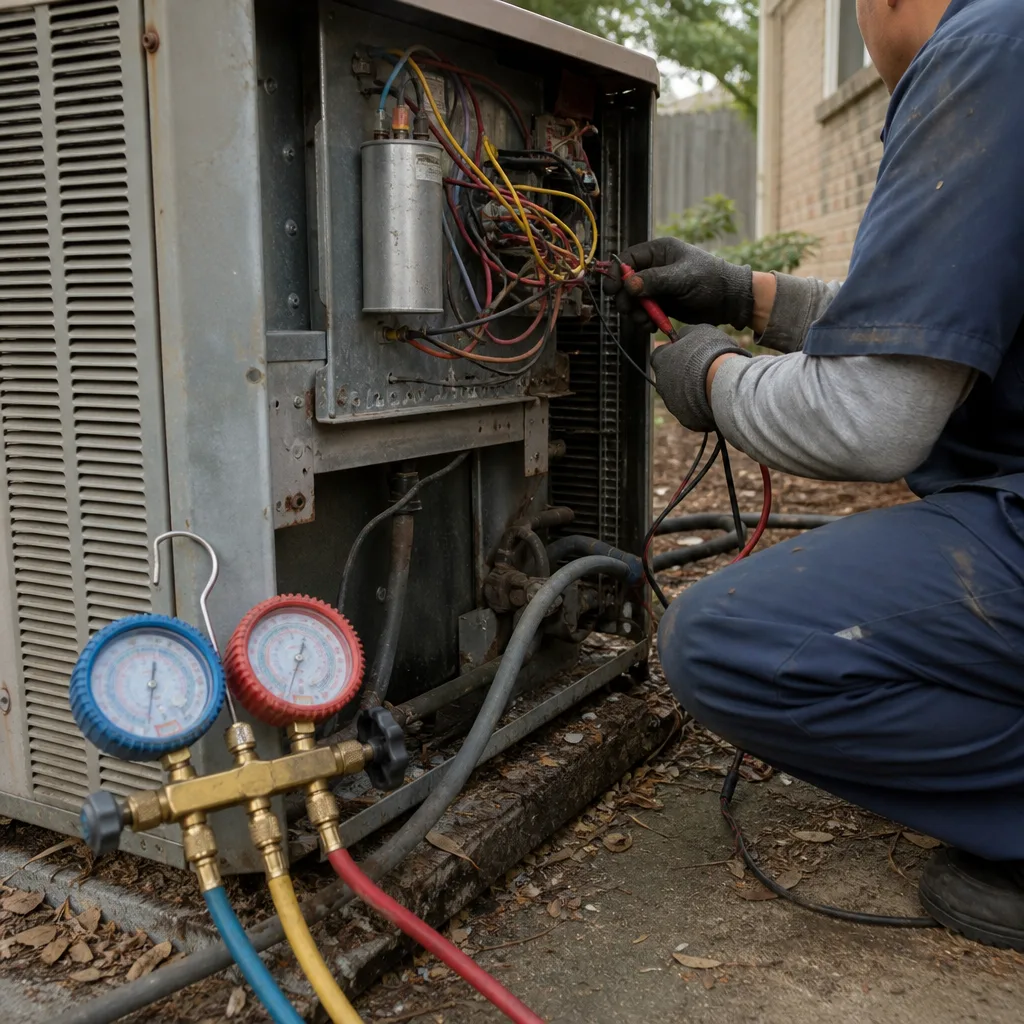 Before
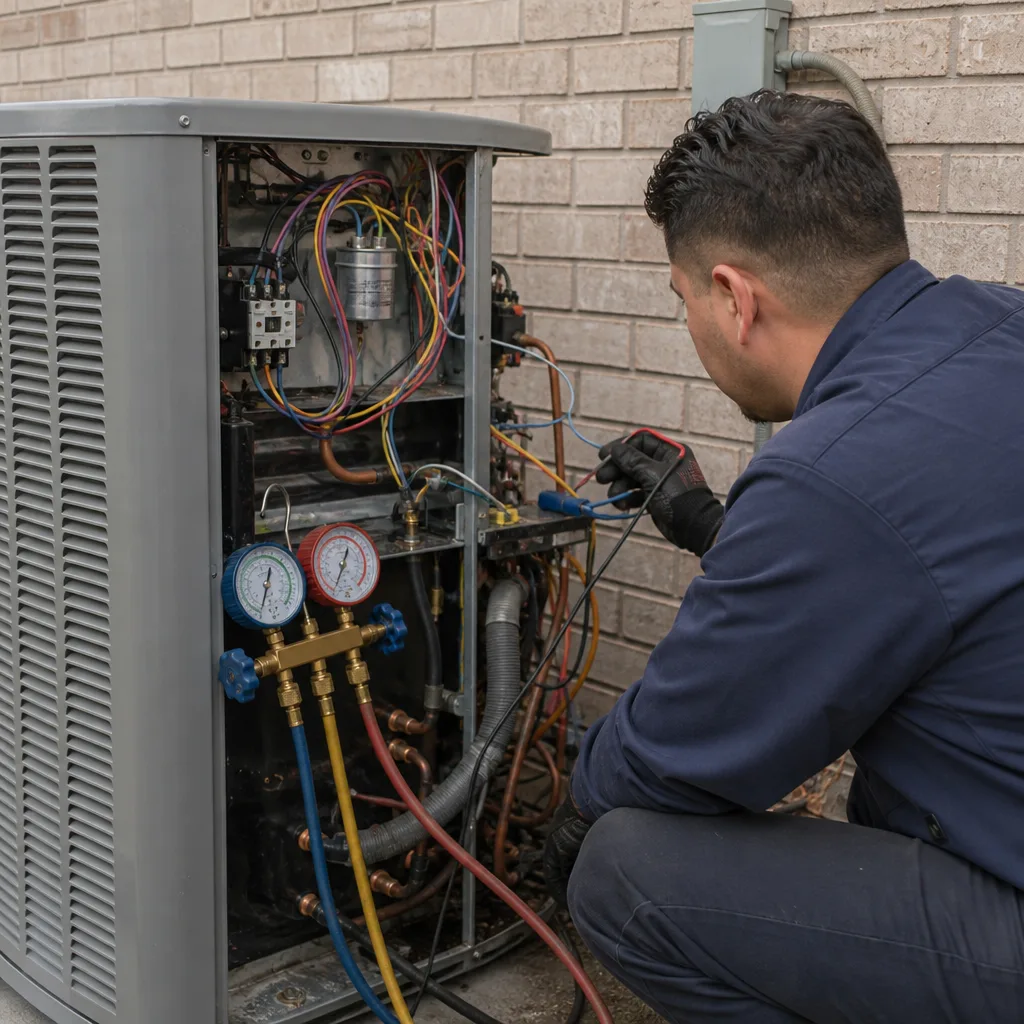 After
After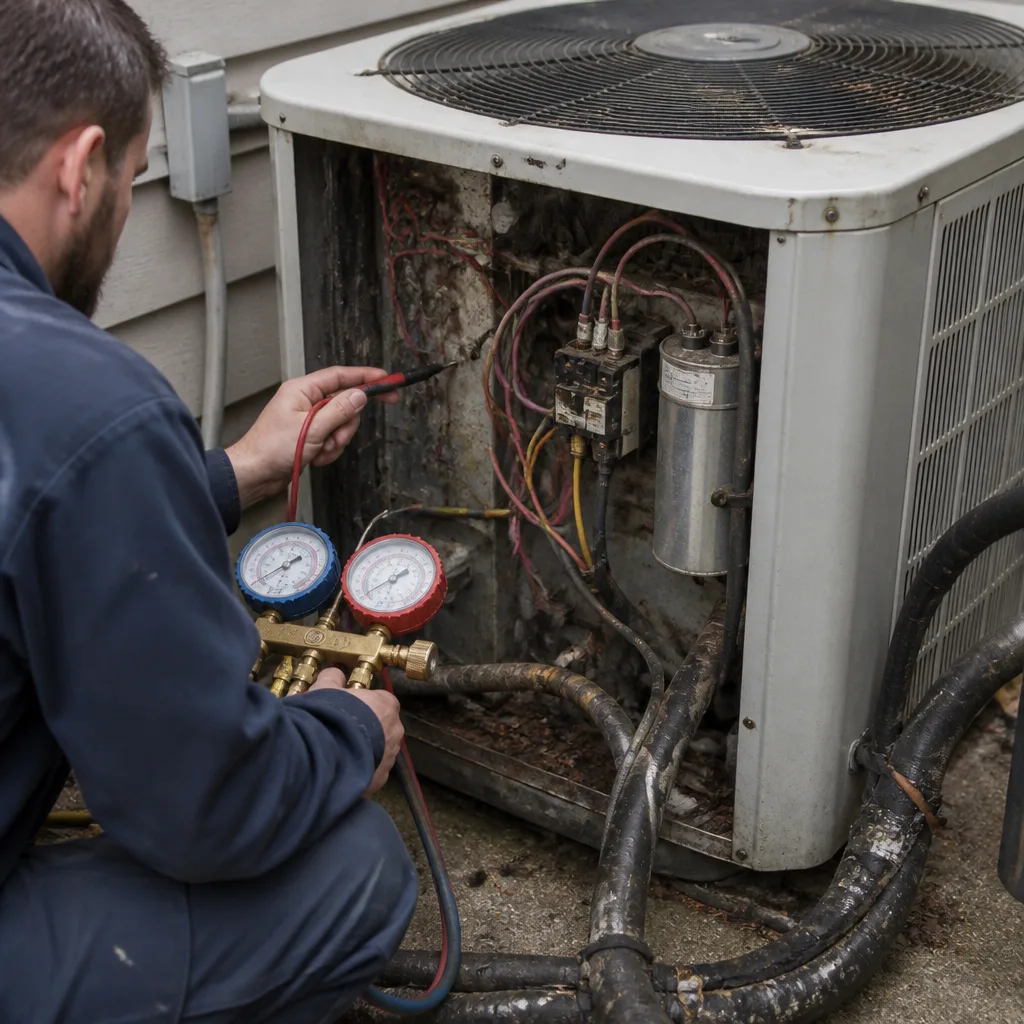 Before
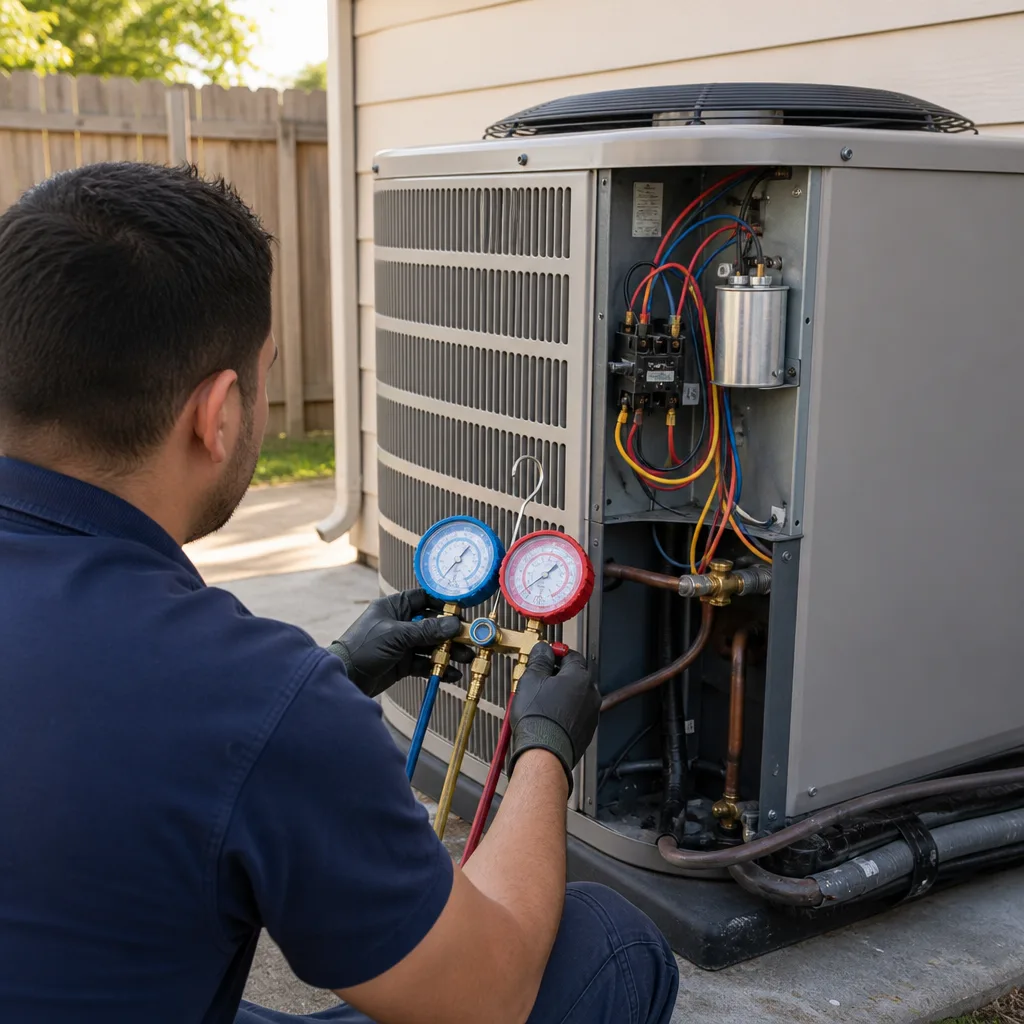 After
After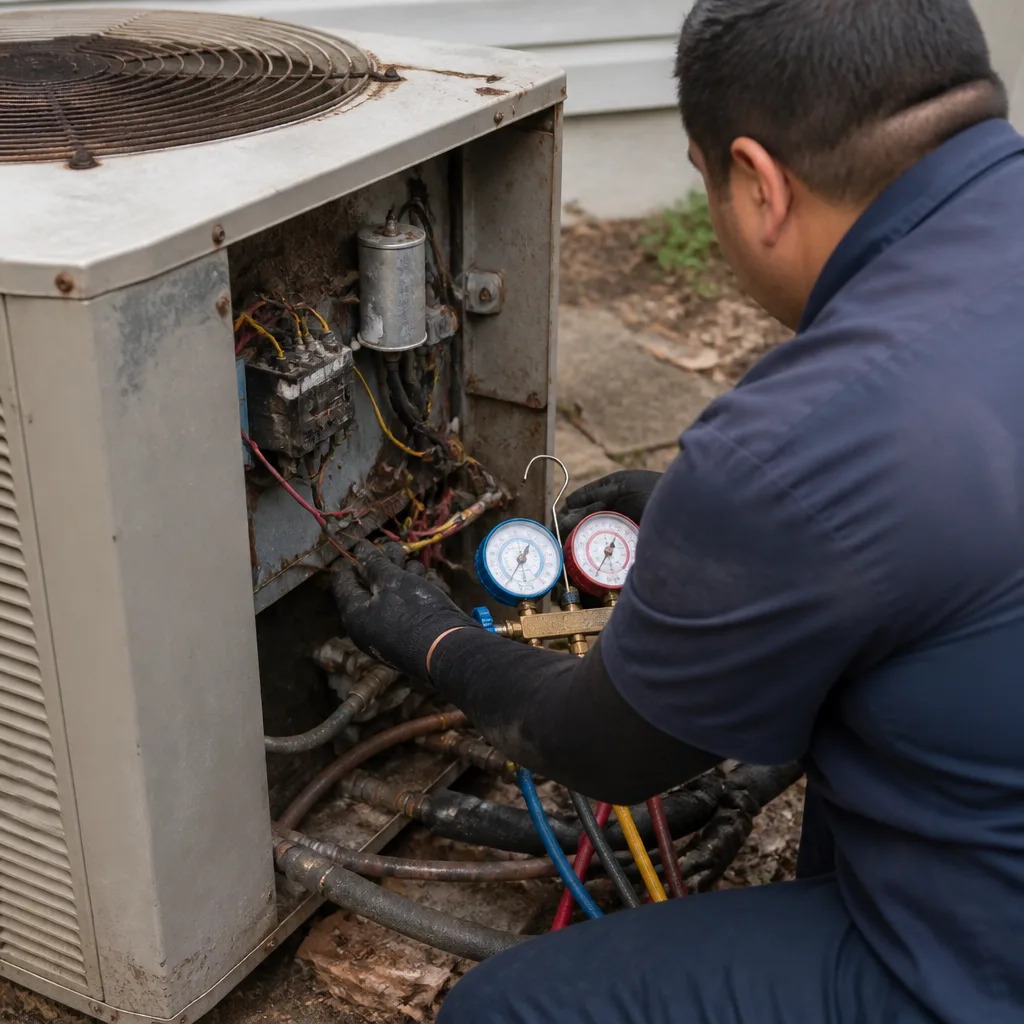 Before
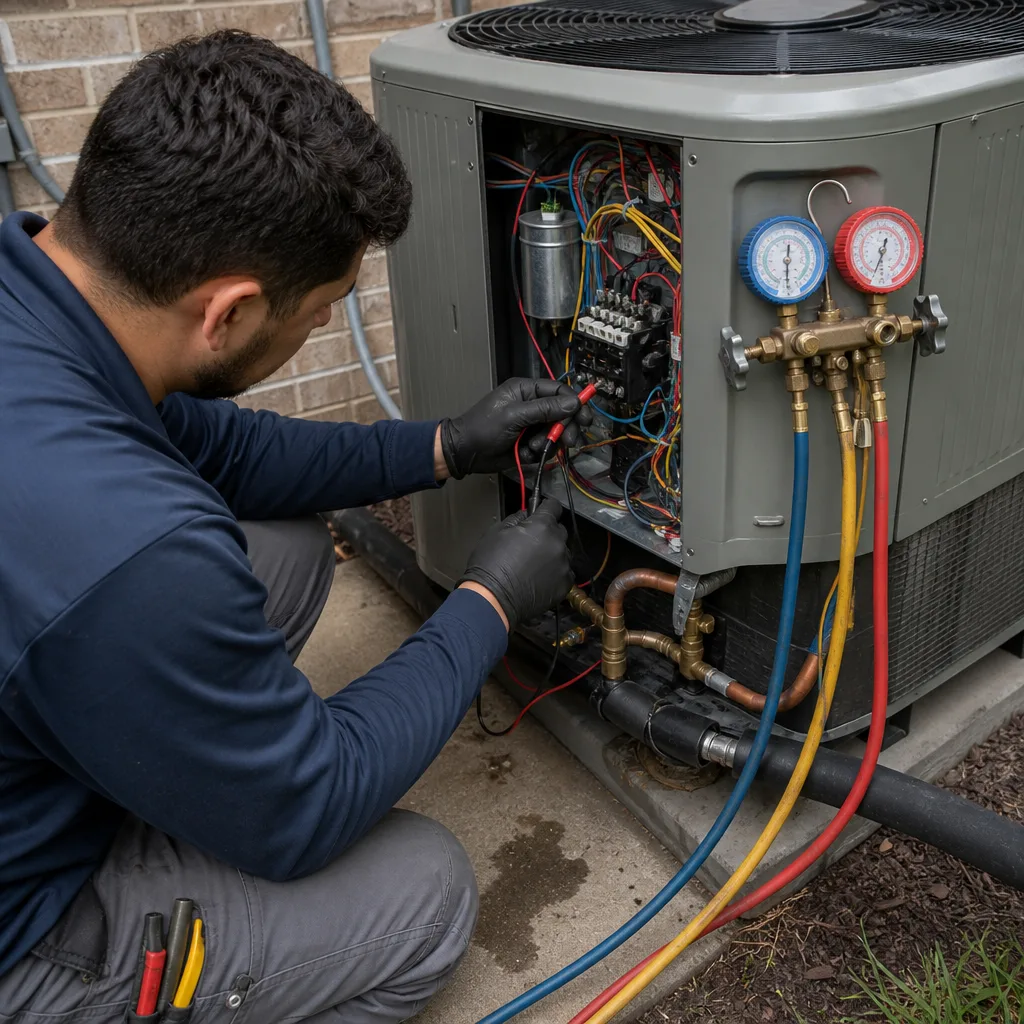 After
After