
Last updated October 16, 2026
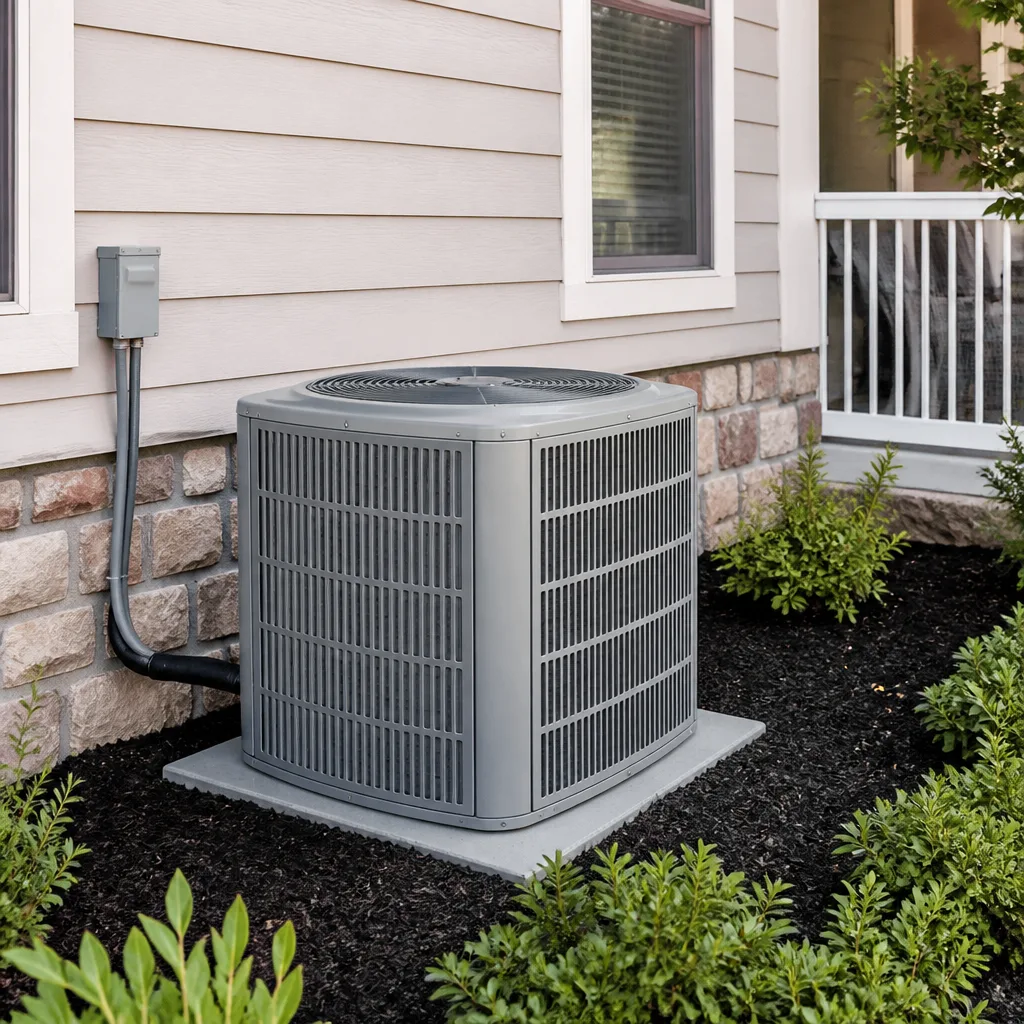 AC repair
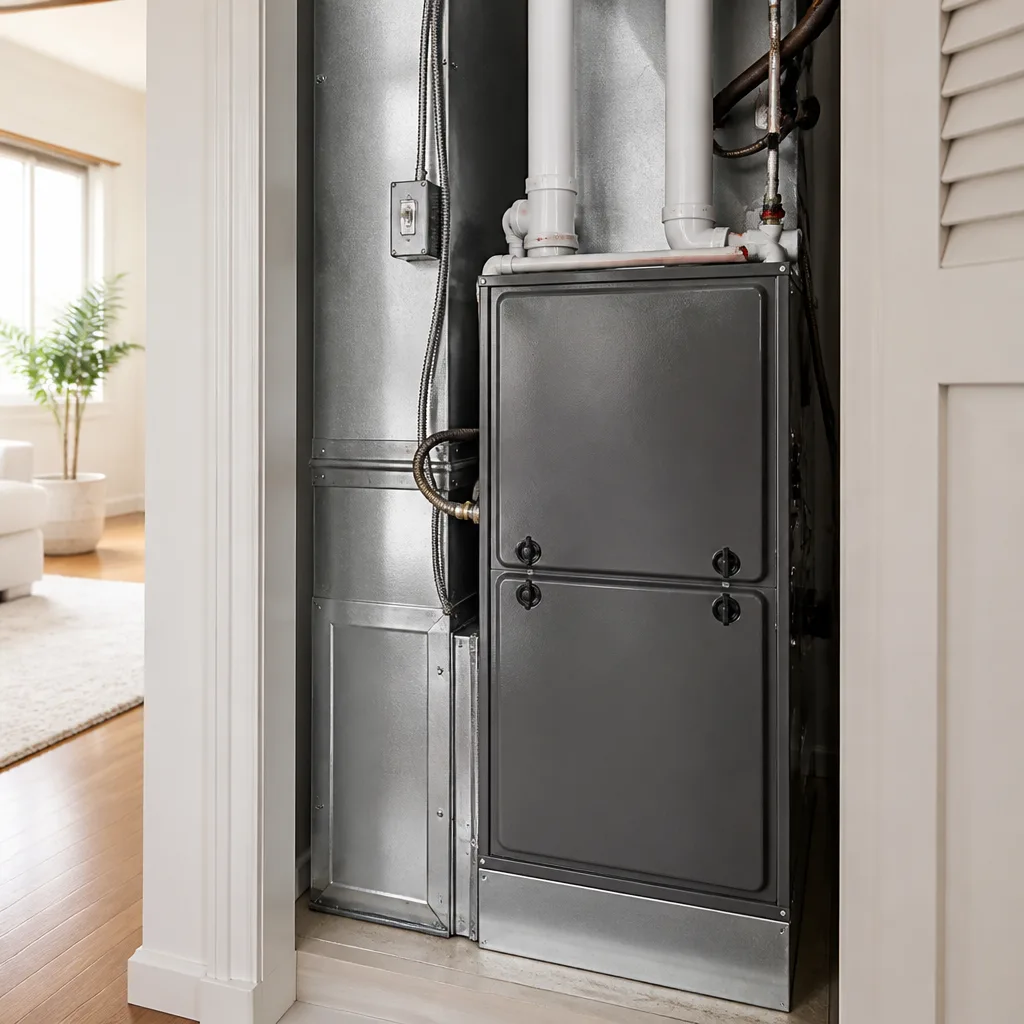 Furnace & heating
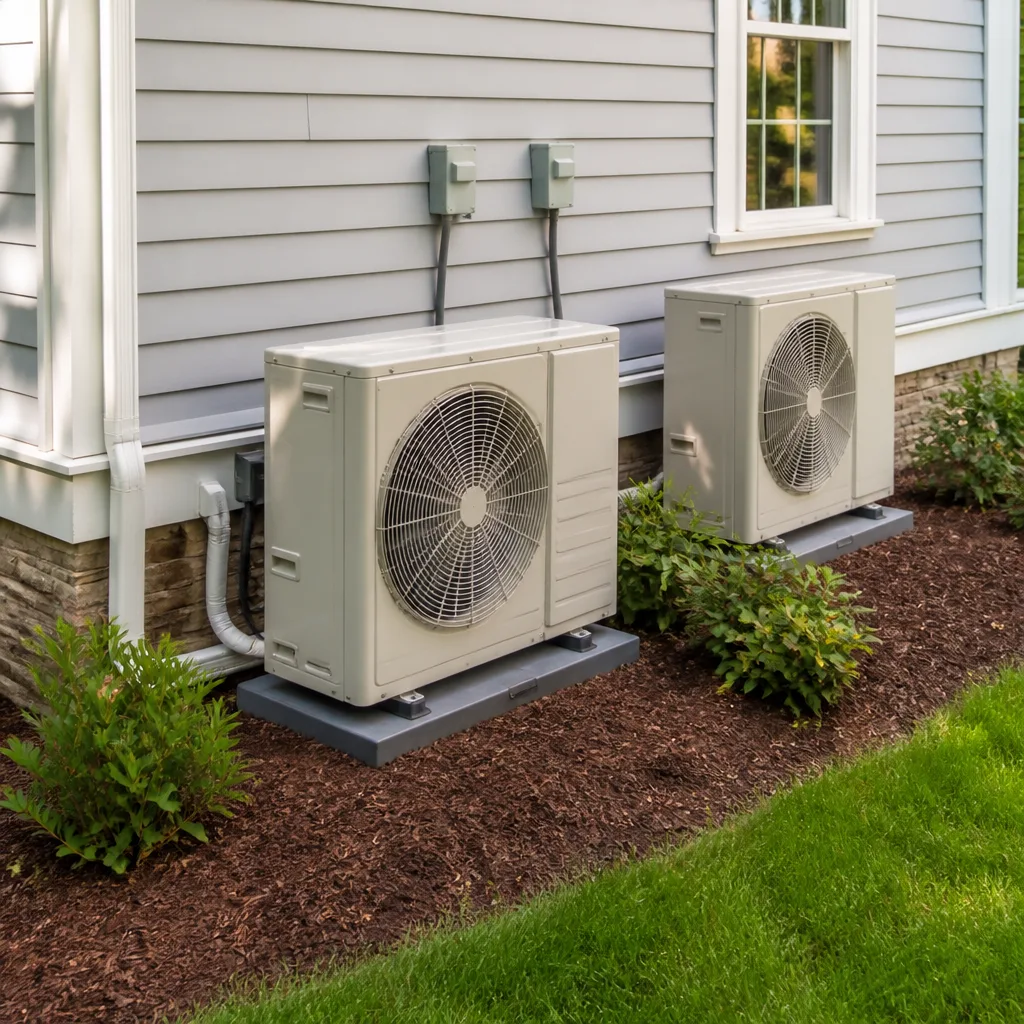 Heat pumps
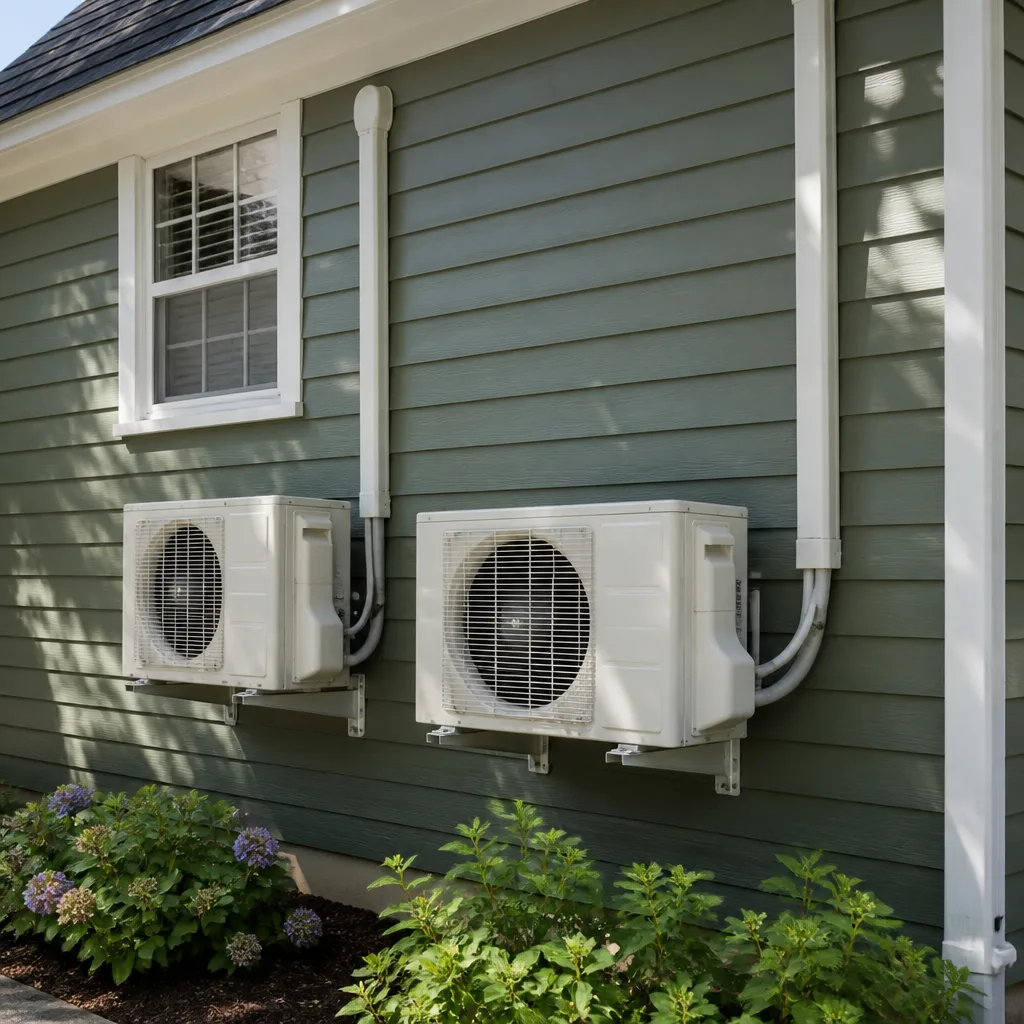 Ductless mini splits
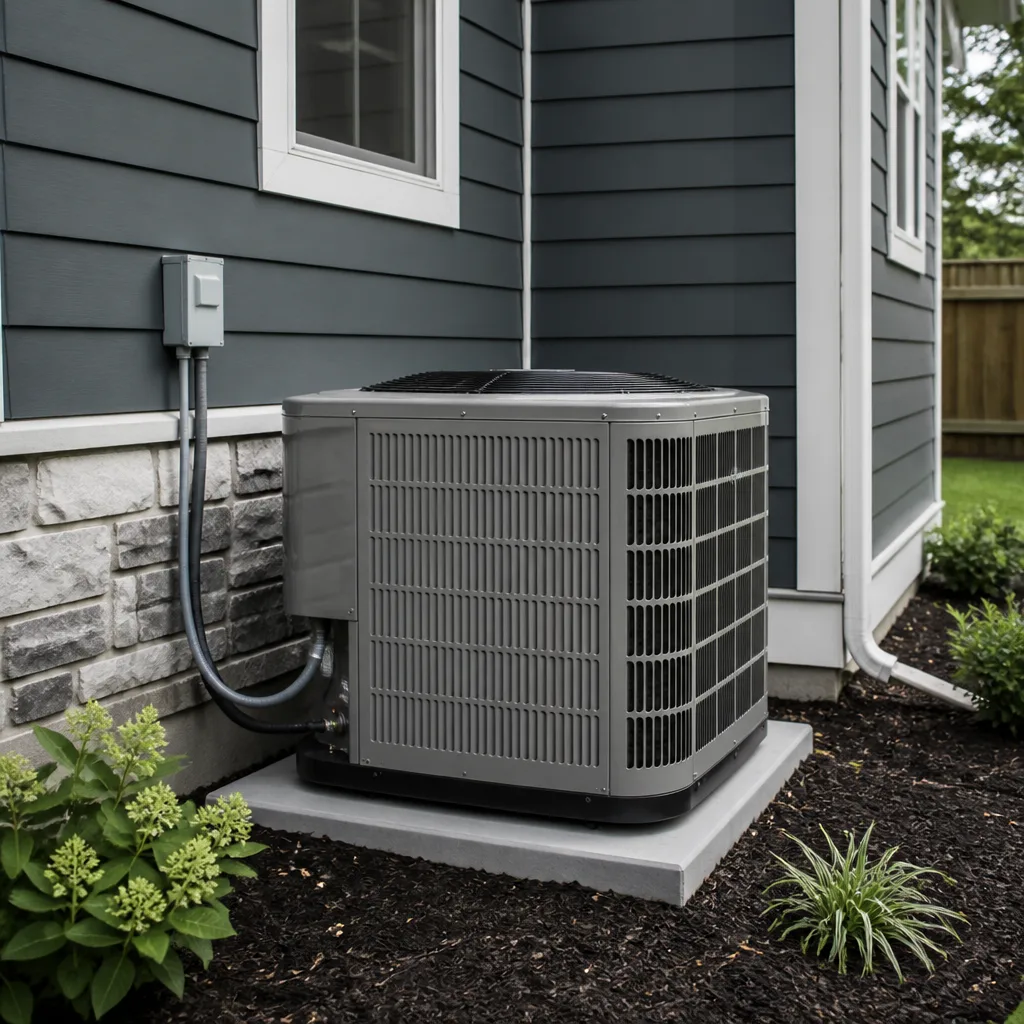 Carrier
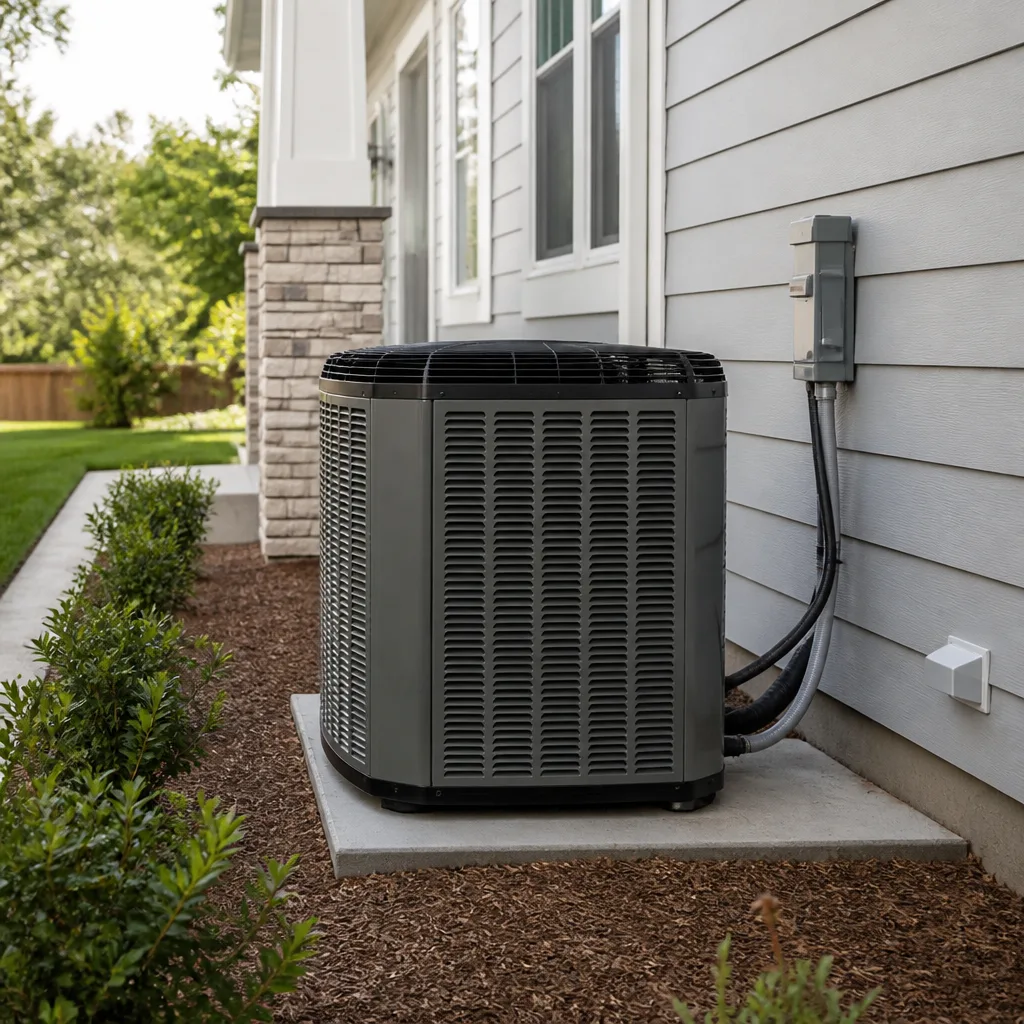 Trane
TraneSeasonal tune-up and full diagnostic on your Carrier, Trane, or Goodman system - readings shown to you before any repair is proposed
Diagnosis first, numbers second - you approve the repair price before a single part goes in.
Get your free estimateHVAC Cost Breakdown: The Dallas Homeowner’s Reference for 2026
In 2025, Dallas homeowners paid anywhere from $85 to $225 for the exact same capacitor replacement depending on which company answered the phone – not because the part cost differed, but because pricing in HVAC is almost entirely unregulated and rarely disclosed before a technician shows up. This guide publishes the real numbers for the jobs Dallas homeowners actually need most, explains what drives price variation between quotes, and gives you the vocabulary to ask the right questions before approving any work. For HVAC Warning Signs: A Dallas Homeowner’s Reference Guide, see our companion resource. By the time you finish reading, you’ll know what a fair price looks like, which line items deserve scrutiny, and how to spot a quote that’s padded before you sign anything.
Styles & brands we work with
Quick Answer
Most HVAC repairs in Dallas run between $150 and $650 depending on the part and the system, while full system replacements typically land between $6,500 and $14,000 for a mid-range 3-ton setup in 2026. The single biggest factor in whether you pay a fair price is whether the company gives you a written price before the work starts – something Cold Harbour Heating and Air Dallas home does on every single job. Our technicians are trained on nine major brands including Carrier, Trane, Lennox, Goodman, Rheem, York, Daikin, Bryant, and American Standard, so the person who shows up can diagnose and fix whatever system is already in your home.
Table of Contents
- The 10 Most Common Dallas HVAC Repairs and What They Cost
- Why the Same Repair Costs Different Amounts Across Dallas
- Full System Replacement Costs for 2026
- The Financing Math: 0% Same-As-Cash vs. Straight Purchase
- How to Read an HVAC Quote Line by Line
- What a Written Price Guarantee Should Look Like
- Dallas-Specific Factors That Affect Your HVAC Costs
- Common Mistakes to Avoid
- When to Call a Professional
- Frequently Asked Questions
- The Bottom Line
The 10 Most Common Dallas HVAC Repairs and What They Cost
These are the repairs we perform most often across the Dallas metro – from Lakewood to Richardson, from Oak Cliff up through Plano. The ranges below reflect what we’ve seen in the local market during 2024 and 2025, projected forward into 2026. For Seasonal HVAC Care for Dallas: Year-Round Homeowner’s Guide, see our maintenance recommendations. They assume a licensed technician, a written guarantee, and parts sourced through legitimate supply chains, not salvage or gray-market channels.
1. Capacitor Replacement: $85-$225
A capacitor is the small cylinder that gives your outdoor AC unit the electrical jolt it needs to start the compressor and fan motor. When it fails – which it often does during Dallas heat waves when the unit runs for hours without pause – the system either won’t start or hums without spinning. This is the single most common summer repair in Dallas, and it’s also the one with the widest price spread because the part itself costs between $15 and $40 wholesale. What you’re really paying for is diagnosis, the trip out, the labor, and the company’s profit structure. A straightforward capacitor replacement on a standard system should land between $120 and $190 in Dallas. If you’re quoted $300 or more, ask for a line-item breakdown.
2. Contactor Replacement: $150-$280
The contactor is the electrical switch that responds to your thermostat and sends power to the compressor and condenser fan. When it welds itself shut or the contacts burn out – common after years of cycling on and off during Texas summers – the system stops responding. This repair involves working with line-voltage electrical connections, so it’s one we never recommend as a DIY job. The part runs $25-$50, and the rest is labor and the diagnostic visit. At the low end, a simple swap on an accessible unit. At the high end, a corroded contactor that requires cleaning the electrical compartment and checking for secondary damage.
3. Condensate Drain Line Clearing: $95-$200
Your AC pulls gallons of humidity out of Dallas’s muggy air every day, and all that water has to go somewhere. The condensate line carries it away, but algae, mold, and mineral buildup eventually clog it. When that happens, water backs up and spills onto your floor or trips a safety float switch that shuts the system down. Clearing a simple blockage with a drain gun or wet vacuum runs the low end of this range. The high end covers lines that need a chemical treatment to prevent rapid re-clogging or a drain pan that needs to be replaced along with the clearing.
4. Refrigerant Leak Detection and Repair: $300-$1,600
If your AC is blowing warm air and the unit is iced up, you may have a refrigerant leak. The cost depends entirely on where the leak is. A pinhole in an accessible braze joint can sometimes be repaired for $300-$600 including the refrigerant recharge (topping off the cooling fluid your AC needs to run). A leak inside the evaporator coil, which is buried in your indoor unit, frequently requires replacing the entire coil at $1,100-$1,600 parts and labor. Here’s the Dallas reality: R-22 refrigerant, used in systems manufactured before 2010, has been phased out under federal law and now costs anywhere from $100-$200 per pound. If your older system is low on R-22, you need a conversation about replacement, not just a recharge.
5. Blower Motor Replacement: $450-$900
The blower motor pushes conditioned air through your ducts and into every room. When it fails – you’ll hear it, because it starts with a grinding noise or the fan won’t spin at all – your system might be running but no air is moving. A standard PSC motor replacement runs $450-$650. A variable-speed ECM motor, which is what most newer high-efficiency systems use, runs $600-$900 because the motor itself is more expensive. In Dallas, these motors work hard from March through November, and we see failures most often in systems that are 8-12 years old and haven’t had regular filter changes.
6. Thermostat Replacement or Calibration: $120-$350
A thermostat that reads the temperature wrong, fails to turn the system on, or cycles the equipment too frequently is either failing or was installed in the wrong location. At the low end, re-calibrating an existing mechanical thermostat or replacing a basic digital model. At the high end, installing a Wi-Fi-enabled smart thermostat that you can control from your phone, which many Dallas homeowners use to manage cooling costs during heat waves when they’re at work. If you go smart, make sure the thermostat is compatible with your system’s wiring before you buy, otherwise the install cost goes up for the additional work.
7. Igniter Replacement (Furnace): $150-$280
This is the furnace equivalent of the capacitor – the most common heating-season repair in Dallas. The igniter is the small ceramic element that glows red-hot to light the gas in your furnace. It’s a wear item, and it typically fails in year 7-10 of a furnace’s life. Most igniter replacements run $150-$280, parts and labor included. If your furnace is older and the igniter has failed repeatedly, a technician should check the flame sensor and gas pressure at the same time, because those can cause premature igniter failure.
8. Flame Sensor Cleaning or Replacement: $120-$220
The flame sensor’s job is to confirm that the gas actually ignited. When it’s coated with carbon or corrosion, it stops detecting the flame and shuts the gas valve as a safety measure – which means your furnace lights, then cuts out after a few seconds, then tries again, then locks out. Often a simple cleaning with fine-grit sandpaper or steel wool fixes it for $120-$180. If the sensor is cracked or the porcelain base is damaged, replacement runs $150-$220. This is a safety component, so it matters that it’s done right, not just done cheap.
9. Expansion Valve (TXV) Replacement: $450-$850
The thermostatic expansion valve regulates how much refrigerant flows into the evaporator coil. When it sticks open or shut – which happens more frequently after a compressor failure sends debris through the refrigerant lines – your cooling becomes erratic, insufficient, or cycles on and off rapidly. This repair requires recovering the refrigerant, replacing the valve, brazing the line set back together, evacuating the system, and recharging it to the manufacturer’s specified weight. The part itself is only $60-$150, but the labor and refrigerant make up the rest. We’ve seen homeowners quoted $1,200-plus for this repair; that’s high for Dallas.
10. Condenser Fan Motor Replacement: $350-$650
The fan on your outdoor unit pulls air across the condenser coil to shed heat. When the motor fails – often during a Dallas heat wave when the system is running at maximum demand – the compressor will frequently shut down on thermal overload within minutes because it can’t reject heat. A standard single-speed fan motor replacement runs $350-$500. The higher end covers dual-capacitor configurations, larger motors on 4-5 ton units, or older systems where the fan blade itself has corroded and needs to be replaced along with the motor.
Want to know exactly what your specific repair will cost before anyone starts work? AC Repair in Dallas is what we do every day, and the written price comes before the first tool comes out.
Why the Same Repair Costs Different Amounts Across Dallas
In our experience, the biggest variable in Dallas HVAC pricing is not the parts. It’s the business model of the company you’re calling. Here’s what actually moves the price:
Overhead Structure
A company running 40 trucks, a call center, and a marketing department that buys $200,000 a month in radio and TV ads has to earn more per job than an independent operator running 6 trucks and a live person answering the phone. The quality of work may be identical. The price won’t be. This is one reason we’ve kept Cold Harbour Heating and Air independently owned and operated since 2003, working to the standards of the Kingswell network rather than scaling up into a corporate behemoth with overhead that gets passed to you.
Pricing Model: Flat-Rate vs. Time-and-Materials
Flat-rate pricing means the company sets a fixed price for each job type – a capacitor replacement is $189 whether it takes 20 minutes or an hour. Time-and-materials means you pay an hourly rate plus parts, so a technician who works slower costs you more. Flat-rate sounds worse to some homeowners because the number is higher than the hourly rate, but it’s actually better for you: it removes the incentive for the technician to stretch the job. At Cold Harbour, every job is flat-rate, and the price is given to you in writing before work begins.
Parts Quality and Source
An OEM capacitor from the equipment manufacturer will outlast a generic aftermarket part, but it costs more. A company that sources through authorized supply houses pays more than one buying surplus parts from an online marketplace. When you get a quote, ask whether the parts are OEM or aftermarket, and whether they carry the manufacturers’ warranty.
Diagnostic Fee Policy
Some companies advertise a $39 or $59 diagnostic but then inflate the repair price to recover that loss. Some don’t charge a diagnostic at all but roll it into the repair. Others charge a fair diagnostic and a fair repair as separate line items. The honest version is the third one. The diagnostic fee covers the technician’s time, training, and drive to your home in Dallas traffic; the repair covers the actual fix. If both are priced reasonably, you’re being treated fairly.
Guarantee Quality
This is the one most homeowners never ask about, and it matters more than the dollar amount. A repair with a 30-day guarantee is not the same purchase as a repair with a 365-day guarantee. If a capacitor fails at month 2, the 30-day company charges you again. We put the 365-Day Done Right Promise in writing on every repair: if the repair fails within a full year, Cold Harbour returns and corrects the work at no charge. That guarantee has a cost, and it’s built into our flat-rate pricing – but it removes the risk that you’ll pay twice for the same fix. The Kingswell Way is built on five values, and the guarantee is one of them: say the price before the work, show up in the window given, leave the place cleaner than found, put the guarantee in writing, come back if it fails.
Full System Replacement Costs for 2026
Here’s what a full system replacement – outdoor condenser, indoor evaporator coil, and furnace or air handler – costs in Dallas in 2026, broken down by equipment tier. These numbers assume a properly sized system for a typical Dallas home in the 2,000-2,800 square foot range, which usually means 3.5 to 5 tons of cooling.
Equipment Tiers and Price Ranges
- Economy / Builder-grade (14-14.5 SEER2): $6,500-$8,500. Single-stage cooling, single-stage gas heat, PSC blower motor. Efficient enough to meet the current federal minimum for the South region, but you’ll notice the difference on your electric bill in July.
- Mid-range / Comfort (15-16 SEER2): $8,500-$11,500. Often single-stage or two-stage cooling, ECM blower motor, quieter operation, better humidity control. This is the sweet spot for most Dallas homeowners – the equipment cost is moderate and the efficiency gain is real.
- Premium / High-efficiency (17-20+ SEER2): $11,500-$16,000. Variable-speed compressor, variable-speed blower, communicating controls, excellent humidity management. The equipment comes from Rheem, York, Daikin, Bryant, and similar top-tier lines. These systems cost more up front but can cut cooling costs significantly in a Dallas climate where the AC runs seven months out of the year.
What Labor Should Represent
For a typical full-system swap, installation labor should represent roughly 25-35% of the total contract price. On a $10,000 mid-range system, that means $2,500-$3,500 for labor. The rest breaks down roughly as:
- Condensing unit: 30-35% of total
- Furnace or air handler: 20-25% of total
- Evaporator coil and refrigerant: 10-15% of total
- Ductwork transitions, line set, pad, disconnect: 5-10% of total
- Permits and disposal: 2-5% of total
If a quote shows labor at 45% or more of the total, ask why. Sometimes there’s a legitimate reason – an attic install in August, a cramped Dallas closet, or a house with a 20-year-old electrical panel that needs a new circuit. But you deserve to hear the reason in plain language.
When Replacement Makes More Sense Than Repair
Dallas summers are brutal on equipment. An AC system lasts 12-15 years here, less than in milder climates, because it runs so many hours each year. If your system is 12 years old and the compressor has failed, the repair math gets ugly fast: a compressor replacement runs $2,200-$3,800, which is often 30-50% of the cost of a full system. At that point, the honest recommendation is usually replacement, especially if your system runs on R-22 refrigerant that’s no longer produced. If you need help thinking through this, AC Installation in Dallas is where we walk you through the equipment options, the efficiency trade-offs, and the rebate landscape without pushing you toward the most expensive unit on the list.
The Financing Math: 0% Same-As-Cash vs. Straight Purchase
Walk through any HVAC company’s marketing and you’ll see 0% APR financing offers. Here’s what they actually cost, which is the part nobody explains before you sign.
What the Contractor Pays
A 0% same-as-cash offer means the financing company is lending you money at no interest. That doesn’t mean the financing is free. The contractor pays a merchant fee to the lender, typically 5-12% of the financed amount. On a $10,000 system with a 10% merchant fee, the contractor pays $1,000 to offer you that 0% rate. That cost is built into the price you pay. In other words: the 0% APR is not free. It’s a cost that got folded into the equipment quote.
The Straight Purchase Discount
When a homeowner pays by check, cash, or bank transfer, there’s no financing merchant fee. That’s $500-$1,000 on a $10,000 system that doesn’t need to be charged to cover the lender. If you have the cash available, ask for the cash or check price. A reputable company that offers 0% financing should be willing to give you a lower price for a straight purchase, because their costs are genuinely lower. If they won’t, you’re absorbing the financing cost either way.
Deferred-Interest Pitfalls
Some “same-as-cash” offers are actually deferred-interest loans. If you pay the full balance within the promotional window – often 18 or 24 months – you pay no interest. But if a single payment is late or the full balance isn’t paid inside the window, interest is charged retroactively from the date of purchase, often at 20% or higher. Read the terms before you finance. A true 0% APR loan and a deferred-interest plan are not the same thing, and the salesperson may not volunteer the difference.
What the Math Looks Like
- Straight purchase: $10,000 system, paid at completion. Total cost: $10,000.
- 0% APR for 24 months: $10,400 after the financing fee is folded in, paid in 24 equal payments. Total cost: $10,400.
- Deferred interest, missed payoff: $10,400 plus retroactive interest at 22% APR for 24 months. Total cost: $13,000+.
The financing can make sense if you genuinely need it. It’s a useful tool for replacing a system during a Dallas August when the old one died without warning and you don’t have $10,000 in liquid cash. But you should know what the offer actually costs, and a straight-purchase discount should always be on the table.
How to Read an HVAC Quote Line by Line
A quote should be itemized. If it’s one lump sum with no breakdown, that’s a red flag – not necessarily a dealbreaker, but you should ask for the detail. Here’s what a legitimate quote contains and what to look for in each line.
Line 1: Equipment
This line lists the condenser, furnace or air handler, and evaporator coil by model number. You should be able to Google the model number and confirm the equipment exists and matches what the quote says. If the model number is missing, ask for it. If the company won’t provide it, walk.
Line 2: Refrigerant
New systems ship with a nitrogen holding charge and need to be charged with refrigerant at installation. R-410A has been the standard since 2010 and is now itself being phased out under new federal rules, with A2L refrigerants like R-454B becoming the new standard for 2026 equipment. Make sure the quote specifies which refrigerant is included and how much. If your system is being repaired rather than replaced, the refrigerant line should state the type and per-pound price.
Line 3: Labor
Labor should be quoted as a flat number, not an estimate with a note that says “additional charges may apply.” Flat labor means the company has done this job enough times to know how long it takes and what it costs. If the quote says “labor: TBD” or “hourly at $X,” ask for the flat number.
Line 4: Permits
In Dallas, a full system replacement requires a mechanical permit. The cost varies but typically runs $150-$400 depending on the specifics. Some companies quietly skip the permit to save you money – and to save themselves time. That’s not the favor it looks like. An unpermitted install can become a problem when you sell the house, and it can void your equipment warranty in some cases. Make sure permits are listed as a line item.
Line 5: Disposal
The old equipment has to be hauled off, and refrigerants must be recovered and recycled according to EPA rules. Disposal typically runs $100-$250. If there’s no disposal line, ask whether it’s folded into the labor number or whether they’re leaving the old equipment in your driveway.
Line 6: Duct and Sheet Metal Work
New equipment doesn’t always match the dimensions of your existing ductwork or plenums. The quote should include the cost of any sheet metal transitions, new supply plenums, return air modifications, or line set replacement needed to marry the new equipment to the old house. This is where low-ball quotes hide costs: they omit the ductwork modifications and then “discover” the need on install day, when you’re committed and the equipment is on the truck.
Line 7: Thermostat
If your new system is communicating or variable-speed, it may require a proprietary thermostat. That should be on the quote. If it’s not there, ask whether your existing thermostat will work or whether a new one is included.
One more thing to check: does the quote say “Price good for X days”? A written price guarantee should include a validity period. At Cold Harbour Heating and Air Dallas, the written price is delivered before any work begins and it doesn’t change at the door. If the quote bumps when the technician arrives, that’s not how we operate and it shouldn’t be how anyone operates.
What a Written Price Guarantee Should Look Like
Here’s the distinction most homeowners miss: a verbal estimate over the phone before anyone has looked at the equipment is not the same thing as a written, locked price. A phone estimate is a guess. A written price is a commitment. In our experience, the difference shows up in how the company behaves when the actual work turns out differently than expected.
Written Price Elements
- Detailed scope: exactly what work will be performed, on what equipment, with what parts.
- Flat dollar amount: not a range, not “approximately,” not “subject to change.”
- Validity period: how long the price is good for, typically 30 days.
- Warranty terms: what’s covered, for how long, and what happens if the repair fails.
- Company name and contact: the quote should be from a real, licensed business, not a one-person operation working out of a pickup truck.
At Cold Harbour Heating and Air Dallas, the written price is a core plank of how we work – part of what we call The Kingswell Way. Explore more guides & resources from our team. We hand you the price before a single tool comes out, and it doesn’t change at the door. The same goes for the guarantee: every repair carries the 365-Day Done Right Promise in writing. If the repair fails within that year, we return and correct the work at no charge. Not a verbal promise, not conditional on anything. Written down, every time. If a company won’t put the price and the guarantee in writing before the work begins, ask yourself what happens when the work doesn’t go as planned. A cold harbour was a roadside shelter where travelers waited out the weather; comfort in any season is the job, and that starts with a price and a promise you can hold.
For furnace work specifically, Furnace Repair in Dallas carries the same written guarantee and the same written price, whether it’s an igniter, a gas valve, or a full heat exchanger evaluation.
Dallas-Specific Factors That Affect Your HVAC Costs
Dallas is not Houston, and it’s not Phoenix. A few local realities shape what you pay for HVAC work here.
Summer Load and Runtime
A Dallas AC runs from roughly March through November, with peak load from June through September. Systems here accumulate more runtime hours per year than almost anywhere else in the continental U.S. That means they fail sooner, and the failures cluster in the hottest weeks when demand is highest. Companies that charge surge pricing in peak season pass that cost to you. A flat-rate shop doesn’t. Ask before you book whether the price changes during a heat wave.
Attic Installs
Many Dallas homes – especially the 1970s-1990s construction in Richardson, Garland, Mesquite, and parts of North Dallas – put the furnace and evaporator coil in the attic. Attic work in August is genuinely harder: the technician is working in 130-140 degree conditions, and the job takes longer because of the heat. A quote that includes a reasonable attic-access adjustment is fair. A quote that doubles because of it is not.
Clay Soil and Slab Foundations
Dallas sits on expansive clay soil that shifts with moisture. That affects ductwork more than equipment – slab foundations make under-slab ductwork repairs expensive and complicated. If your ducts run through or under the slab, any replacement work that involves the duct runs will cost significantly more than a standard attic or crawl-space job. This is also why many Dallas homeowners eventually switch to attic-mounted ductwork when the under-slab runs fail completely.
City of Dallas Mechanical Permit Requirements
The City of Dallas requires a mechanical permit for most HVAC replacement work, and the contractor has to be properly registered. The permit inspection confirms the work meets local code. It’s a small additional cost, usually $150-$400, but it’s your protection against an install that cuts corners. We pull permits on every job where they’re required, and it’s a line item on the written quote – not a surprise fee at the end.
Common Mistakes to Avoid
- Quoting equipment over the phone without a diagnosis. A company that gives you a firm repair price before anyone has inspected the unit is guessing, and you’ll be the one who pays when the guess is wrong. In our experience, the honest answer is “we need to look at it,” followed by a written price once the diagnosis is done.
- Buying the biggest system on the quote. Bigger is not better in HVAC. An oversized system short-cycles, fails to dehumidify properly, and wears out faster. A proper load calculation – Manual J – is what determines the right size, and it accounts for Dallas’s square footage, window orientation, insulation levels, and local climate data. If a company recommends a tonnage bump without a load calculation, be skeptical.
- Accepting a lump-sum quote with no itemization. You should be able to see what you’re paying for. A single number with a handshake is how homeowners end up paying $1,000 for a $400 repair. Ask for the breakdown.
- Skipping the permit because it’s cheaper. The permit fee is small. The cost of an unpermitted install when you sell the house, or when the system fails and the manufacturer denies the warranty claim, is not small. This isn’t the place to save a few hundred dollars.
- Choosing a company based on the lowest bid. The low bid is often low because something is missing – the permit, the disposal, the ductwork modifications, the refrigerant charge. When those costs appear on install day, the low bid stops being low.
- Ignoring the guarantee terms. Thirty days is not a real guarantee for HVAC work. A company that expects its repairs to hold will put a year on paper and mean it. We do – the 365-Day Done Right Promise is written down before the technician leaves.
- Replacing a system based on one opinion. A failed compressor, a cracked heat exchanger, or a leaking evaporator coil – all of these are expensive enough that you deserve a second opinion before writing a check. If the second company sees the same problem, you know the first was honest.
When to Call a Professional
Some situations call for a phone call rather than a forum post. If your system is blowing warm air during a Dallas heat wave, if your furnace won’t stay lit, if you hear grinding, buzzing, or banging from the outdoor unit, or if your electric bill has spiked without explanation, those are all signs of a system that needs a trained technician. Electrical components, refrigerant handling, gas connections, and high-voltage wiring are not DIY territory, and a mistake can damage the equipment or injure you. Cold Harbour Heating and Air Dallas offers free estimates throughout the Dallas metro – call (430) 213-5796 and a live person answers, 24 hours a day, every day of the year. No voicemail tree, no waiting until morning when your AC has been down all night.
Frequently Asked Questions
The most common Dallas HVAC repairs run between $150 and $650, but the spread depends on the part: a capacitor replacement runs $85-$225 while a blower motor replacement runs $450-$900. The single best way to know your actual price before the work begins is to get a written, itemized quote that locks the number before any tools come out. Call (430) 213-5796 for an exact quote on your specific repair – estimates are free, and the price doesn’t change once it’s written down.
A full HVAC system replacement in Dallas typically costs $6,500 to $14,000 depending on equipment tier, efficiency rating, and home size, with mid-range 15-16 SEER2 systems landing around $8,500-$11,500 for a typical 2,000-2,800 square foot home. The final price varies based on whether your system is in the attic, the condition of your existing ductwork, and which efficiency level you choose. Call (430) 213-5796 for a written quote specific to your home and equipment.
Repair makes more sense when the system is under 10 years old and the repair cost is under 30% of the replacement cost, while replacement makes more sense when the system is 12-15 years old, runs on R-22 refrigerant, or has failed in a major component like the compressor. Dallas systems age faster than the national average because of high summer runtimes, so a 12-year-old system here is roughly equivalent to a 15-year-old system in a milder climate. If you’re not sure, we’ll tell you straight – the assessment is free.
HVAC prices in Dallas vary because companies have different overhead structures, pricing models, parts sourcing, and guarantee policies, not because the underlying parts cost different amounts – a capacitor that one company charges $85 for and another charges $225 for costs $15-$40 wholesale either way. Flat-rate pricing with a written guarantee is your best protection against price inflation. Ask what the guarantee covers and whether the price is locked in writing before the work starts.
A 365-day repair guarantee is not common in Dallas – many companies offer 30 or 90 days, and some offer no written guarantee at all. Cold Harbour Heating and Air Dallas puts the 365-Day Done Right Promise in writing on every repair: if the repair fails within a full year, we return and correct the work at no charge. A guarantee that’s written down, not verbal, is what separates a company that stands behind its work from one that hopes you won’t call back.
Yes, Cold Harbour Heating and Air Dallas has live-person phone coverage around the clock, every day of the year, and in most cases we can have a technician at your home the same day, especially for no-cooling calls during Dallas summers. When you call (430) 213-5796, a person answers – not a recording – and schedules a firm arrival window. The written price comes before the work starts, and if the repair fails within the year, we come back at no charge.
The Bottom Line
Dallas HVAC pricing is opaque because the industry allows it to be. The same repair, the same part, the same day, can cost double depending on which company answers the phone, and no one hands you a price list before the technician shows up. That’s the bad news. The good news is that you can short-circuit the whole game by demanding three things: a written price before the work starts, an itemized quote you can actually read, and a guarantee that covers the repair for a full year. Get those three things, and the rest of the numbers fall into place. Cold Harbour Heating and Air Dallas has put all three in writing since 2003, and a live person is at (430) 213-5796 around the clock – call us for a free estimate on any repair or replacement in Dallas.
Written by Victor Mancini, Owner at Cold Harbour Heating and Air Dallas, serving Dallas since 2003.
See the difference
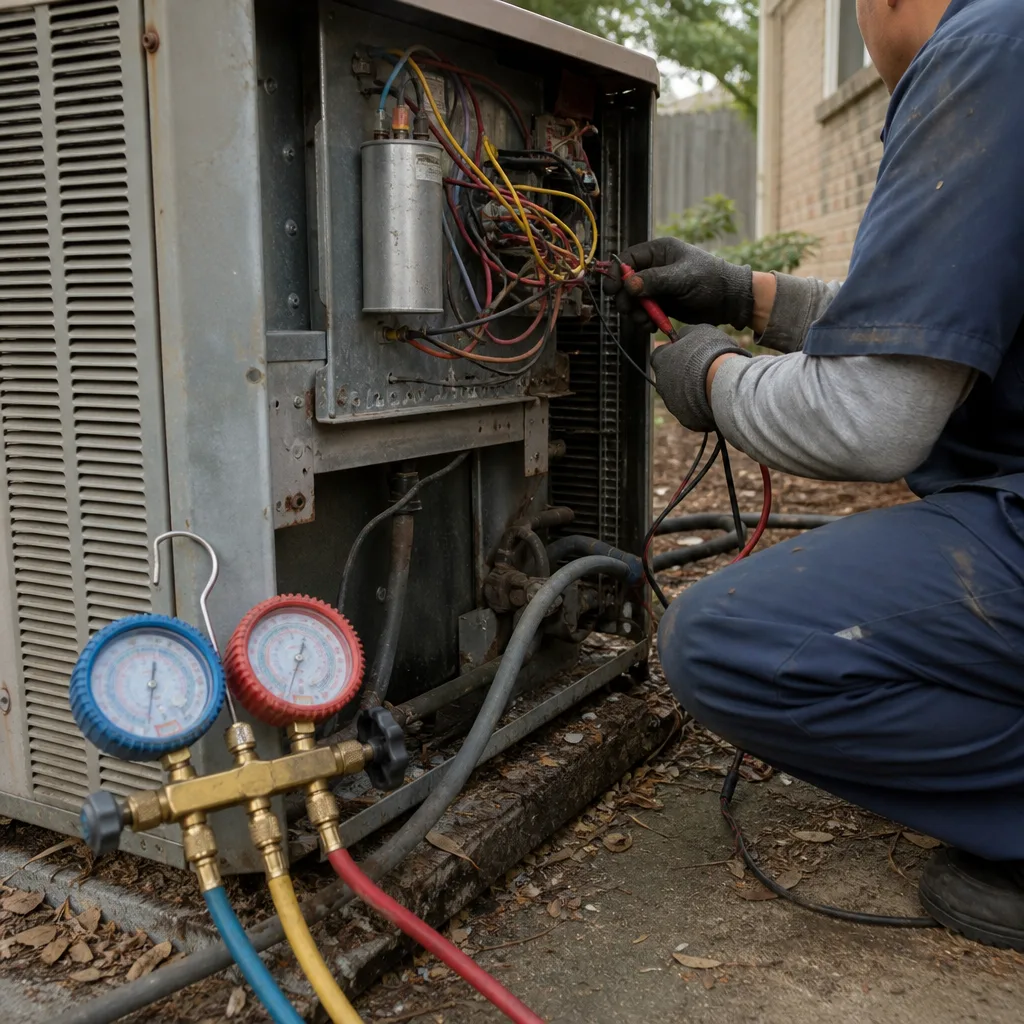 Before
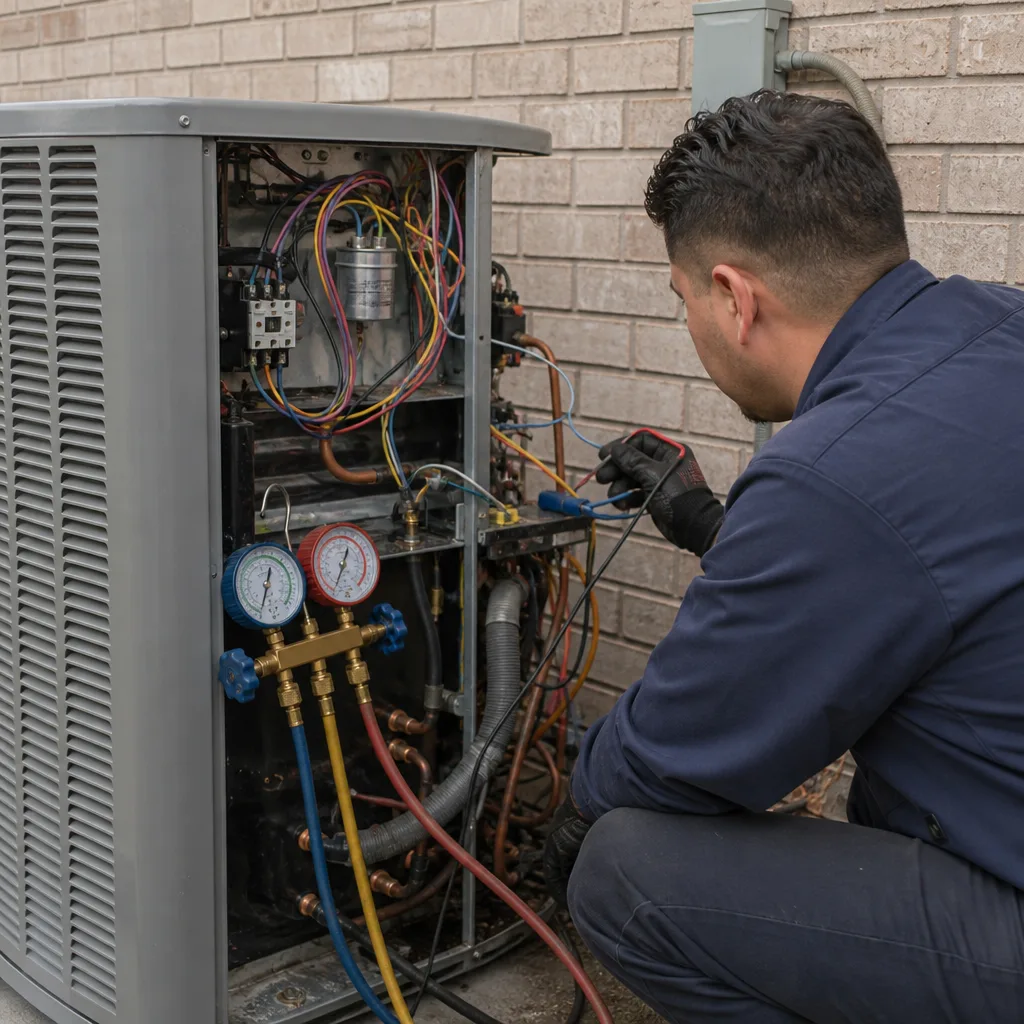 After
After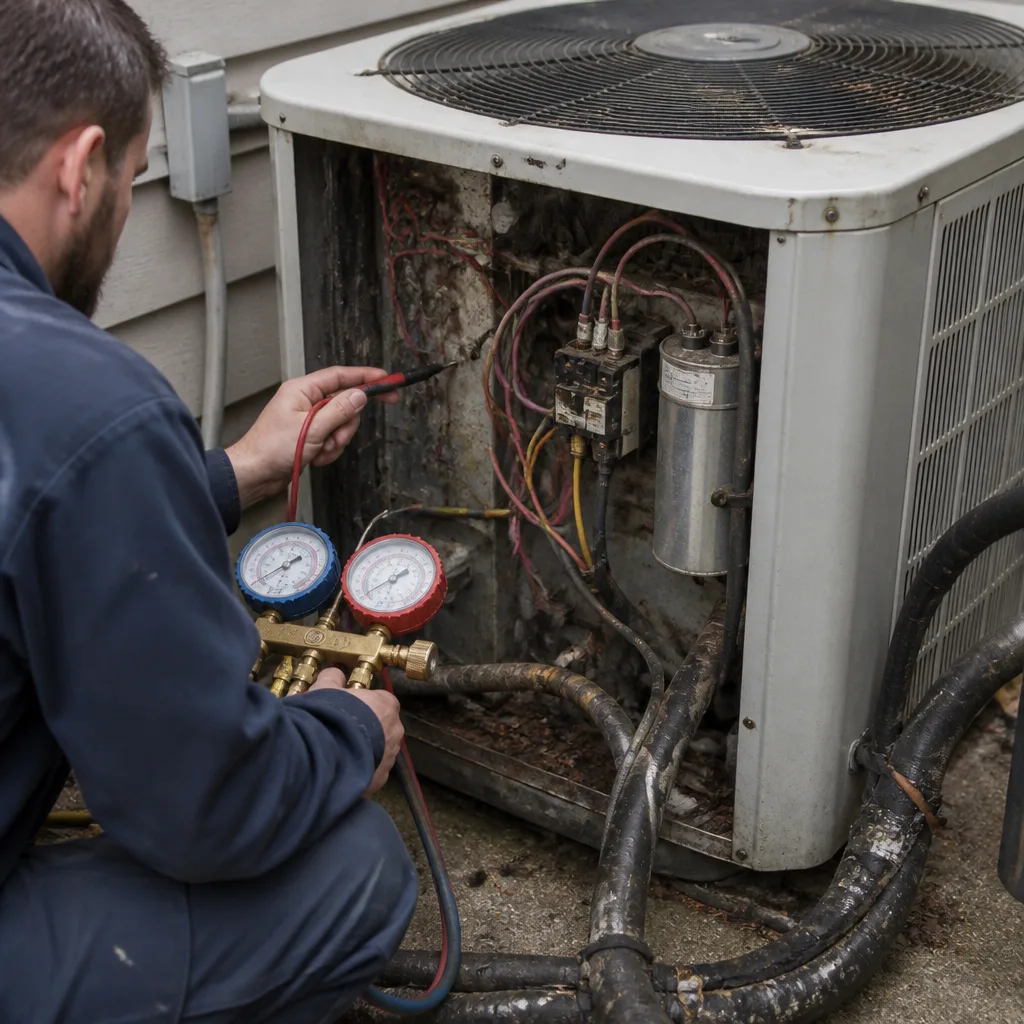 Before
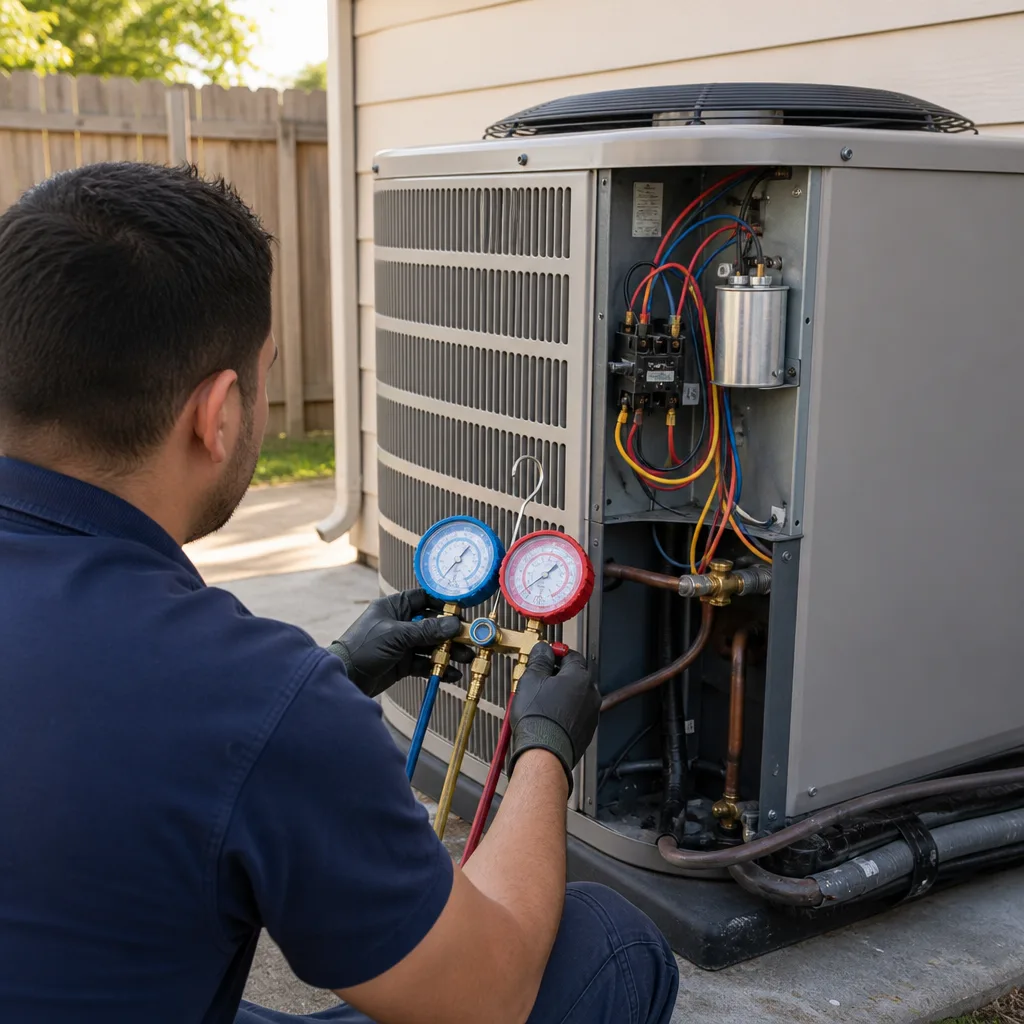 After
After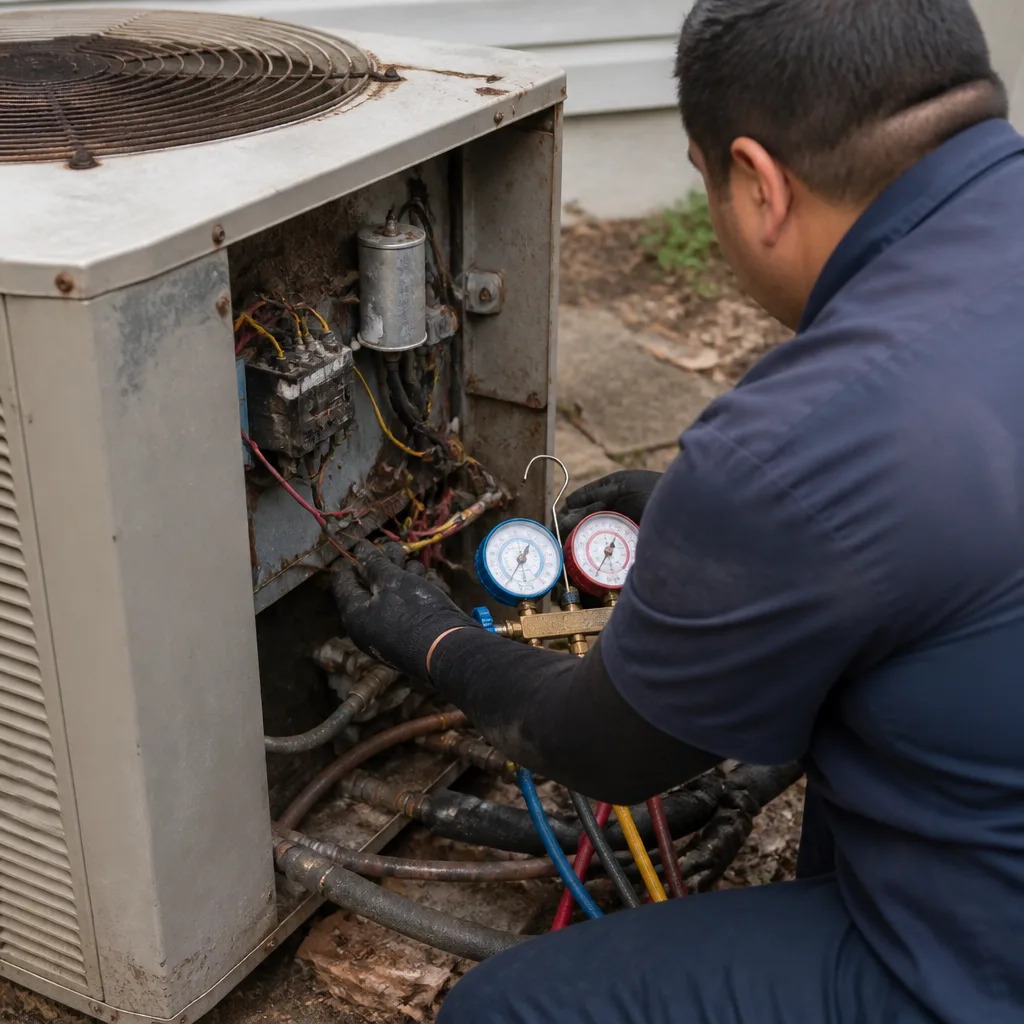 Before
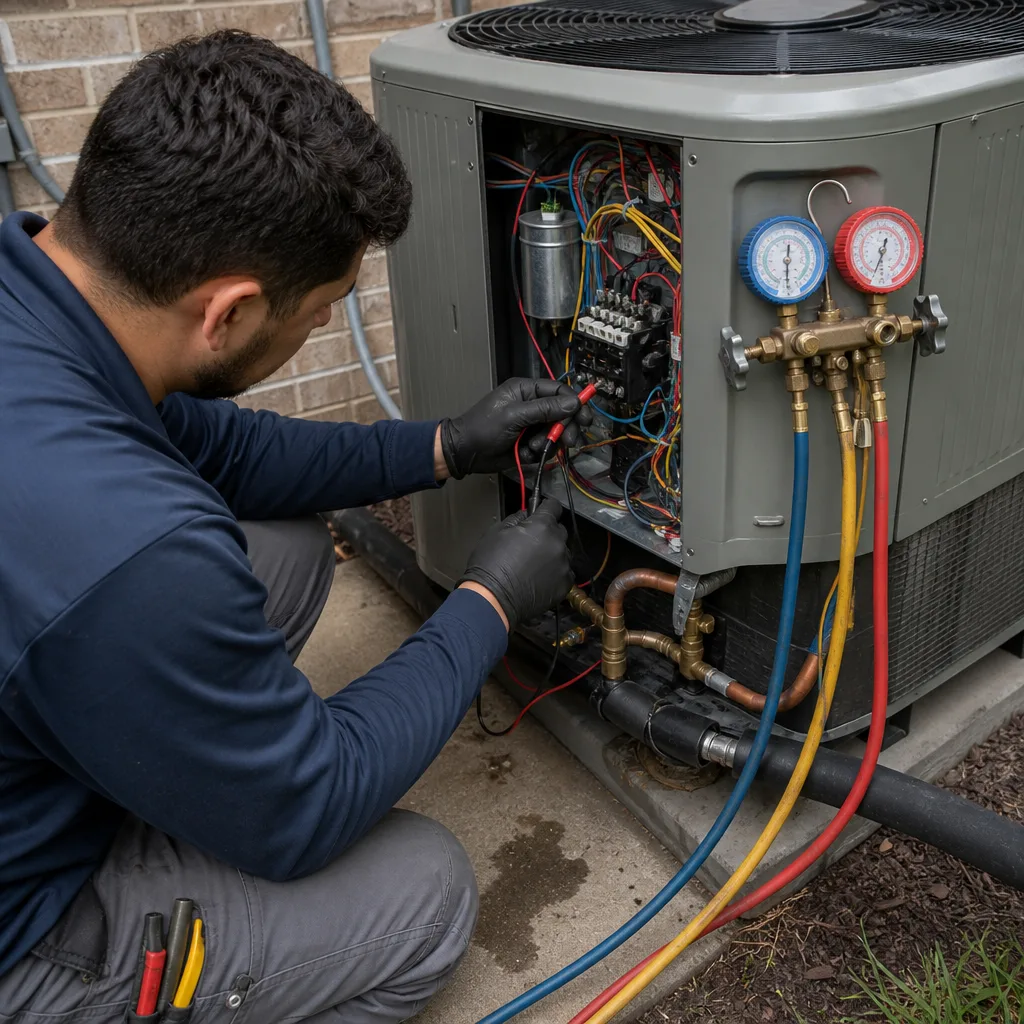 After
After