
Last updated October 16, 2026
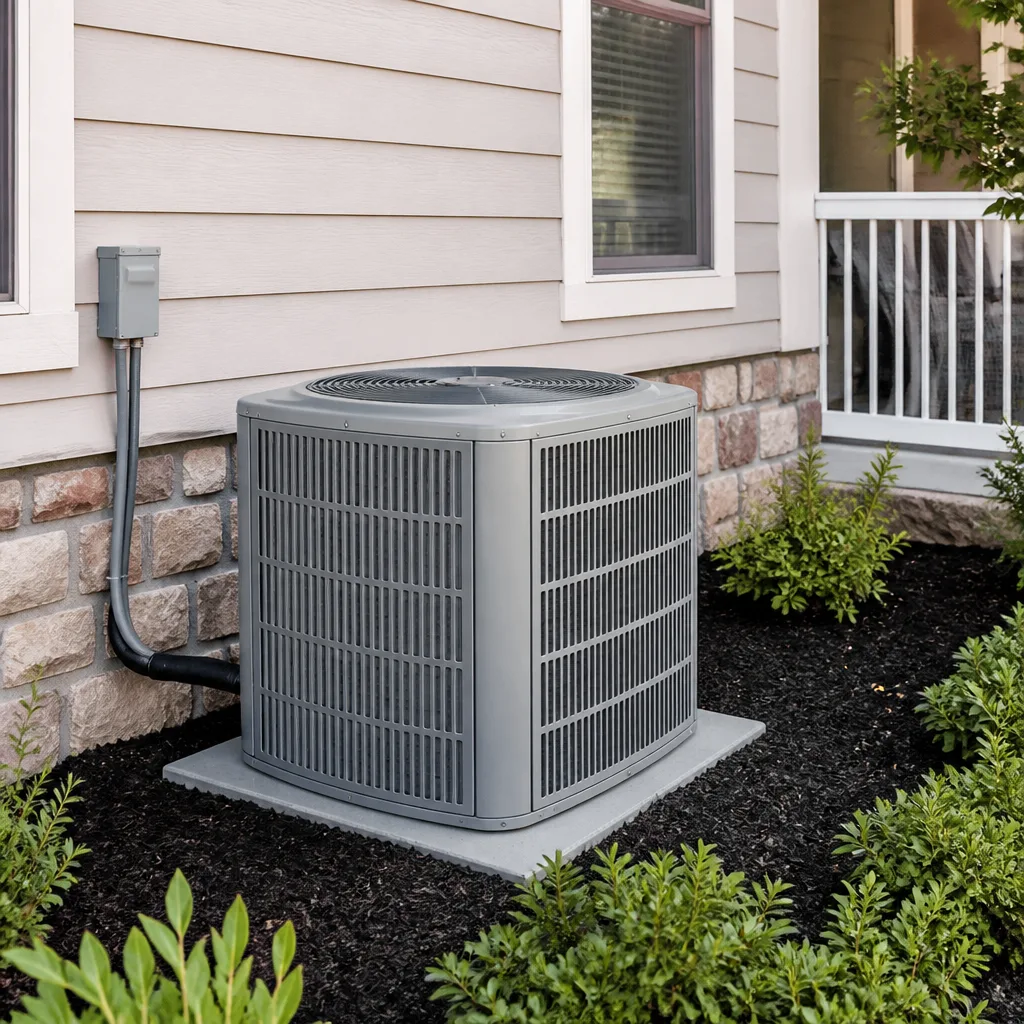 AC repair
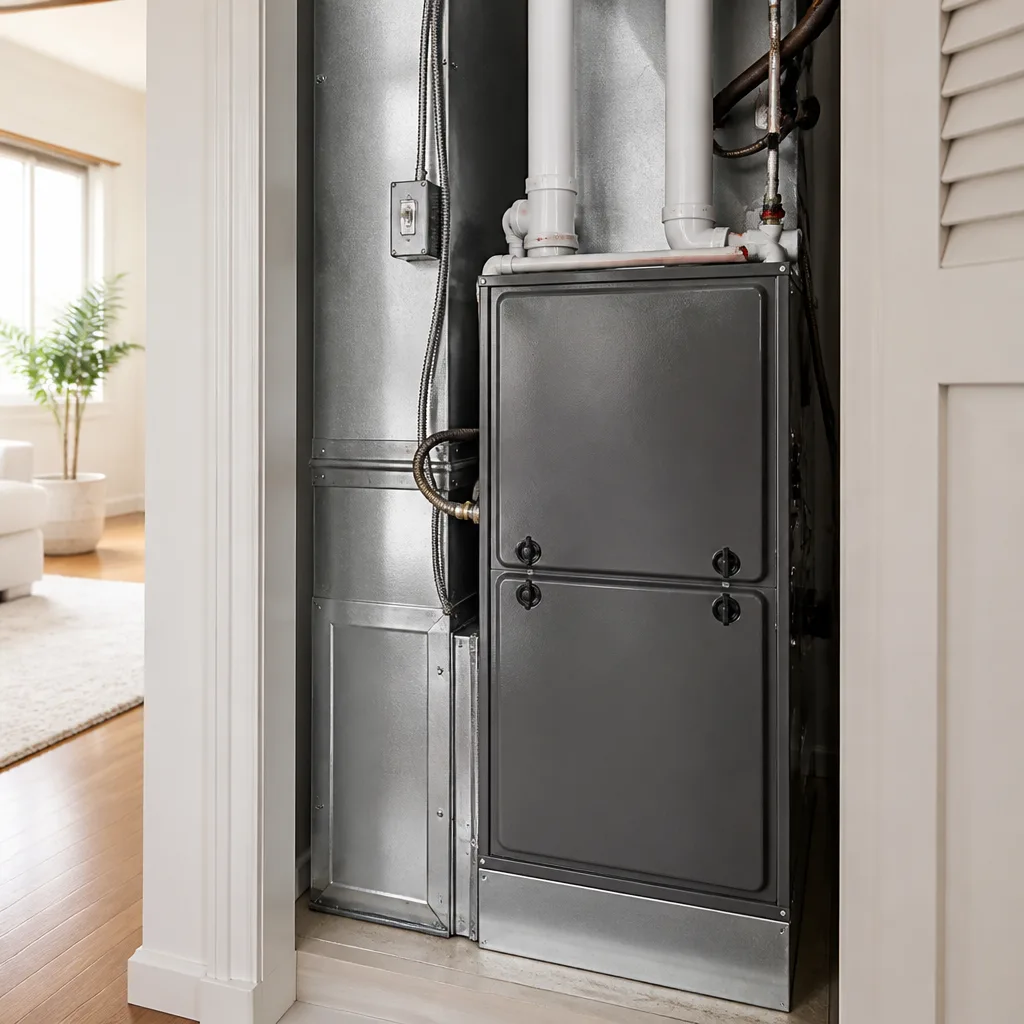 Furnace & heating
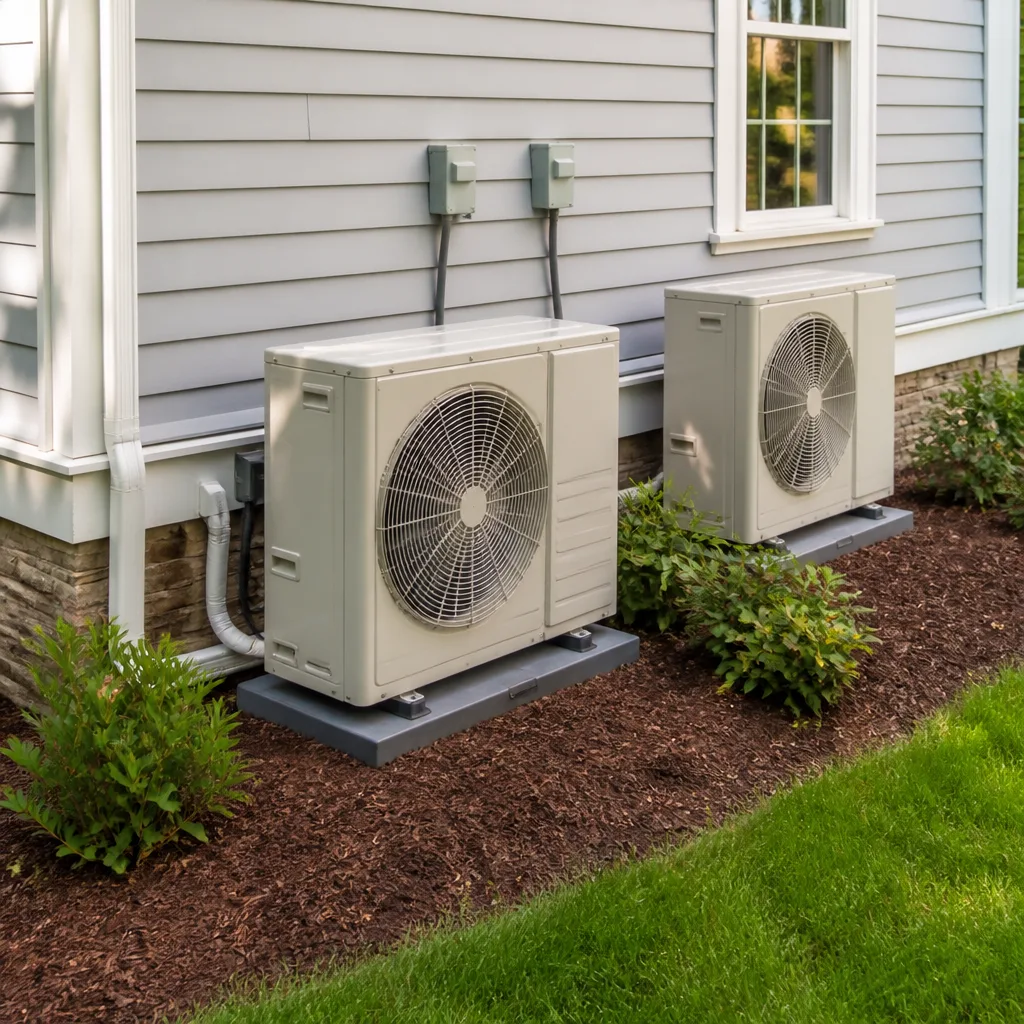 Heat pumps
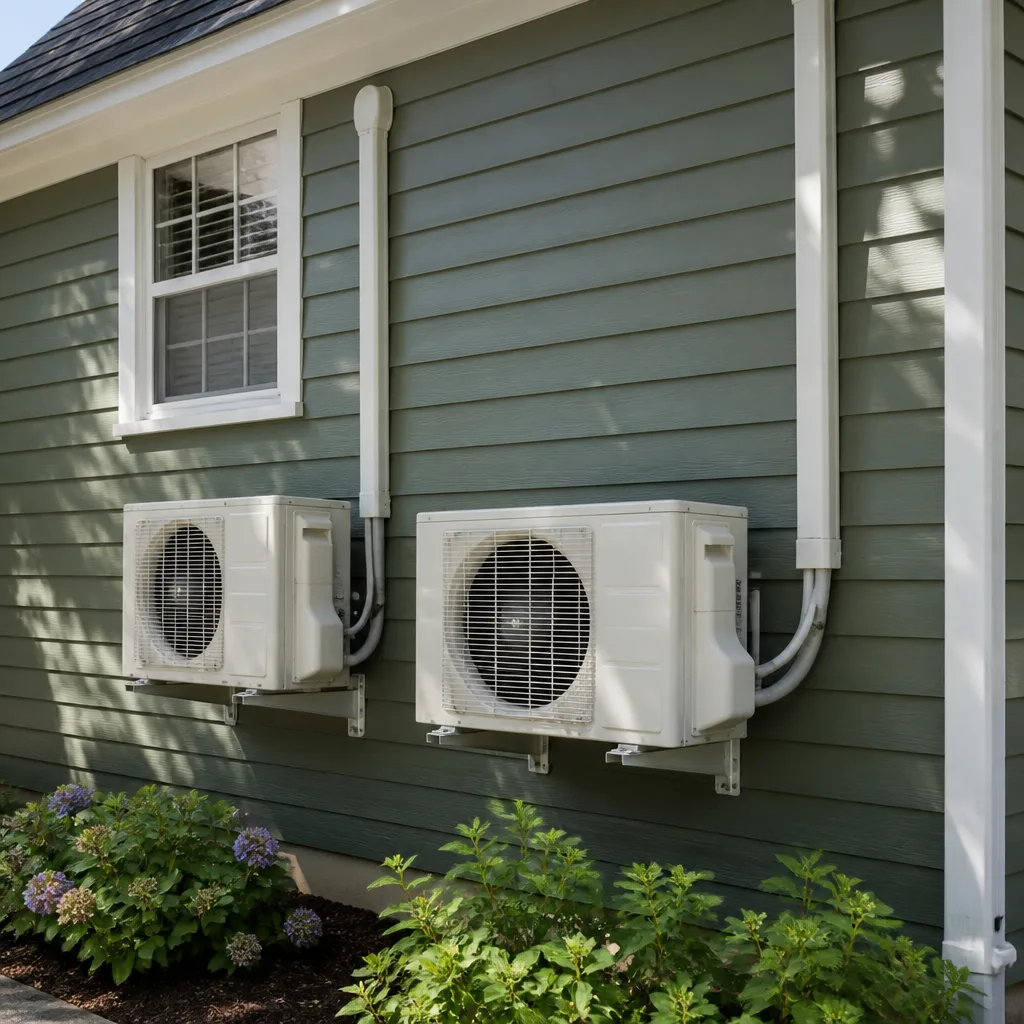 Ductless mini splits
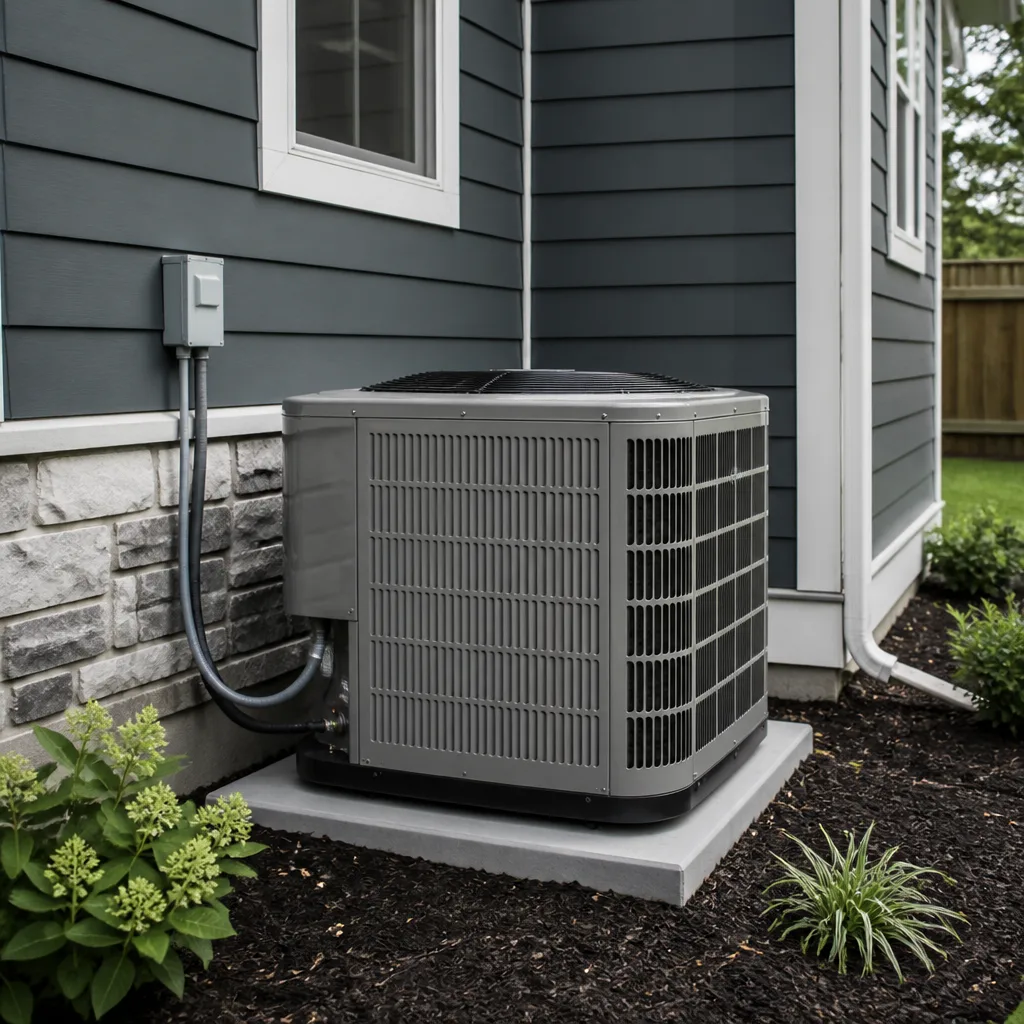 Carrier
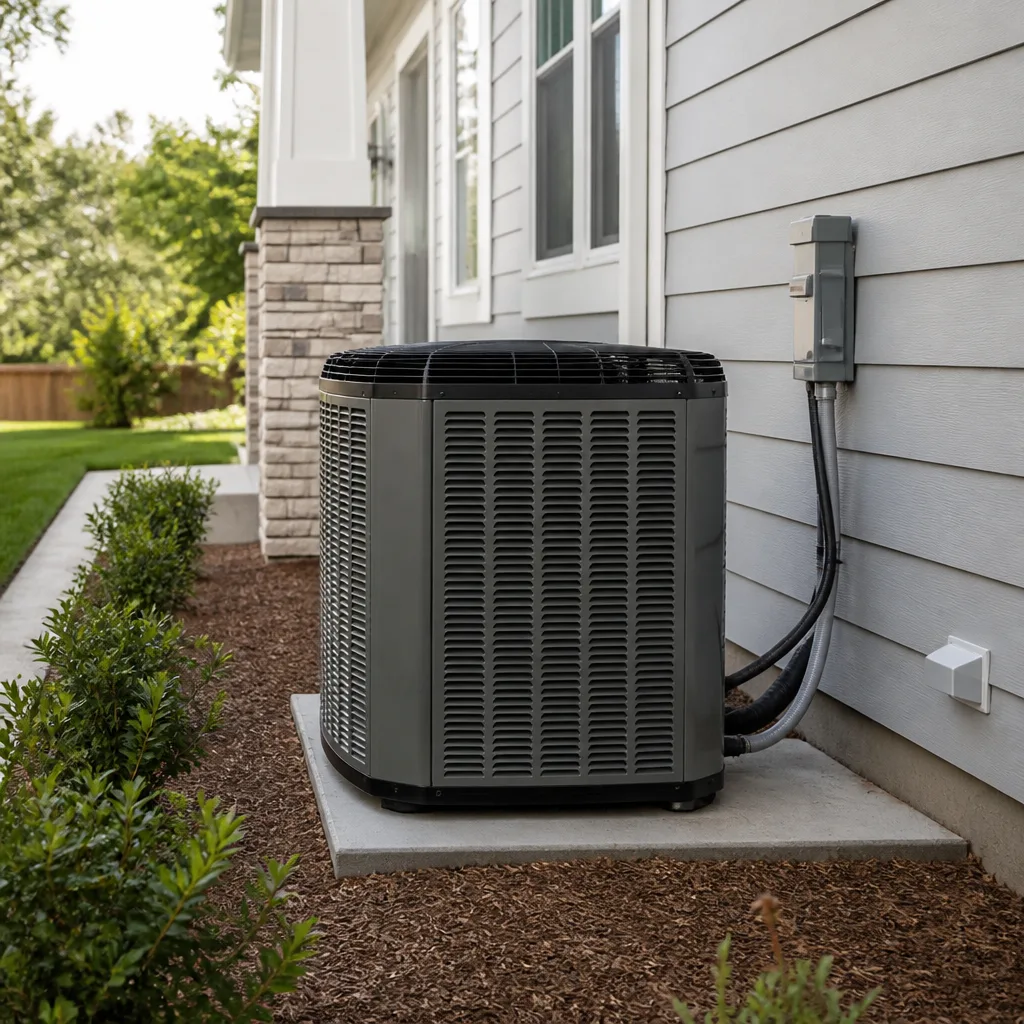 Trane
TraneSeasonal tune-up and full diagnostic on your Carrier, Trane, or Goodman system - readings shown to you before any repair is proposed
Diagnosis first, numbers second - you approve the repair price before a single part goes in.
Get your free estimateSeasonal HVAC Care for Dallas: Year-Round Homeowner’s Guide
Here’s something most Dallas homeowners don’t realize until it’s too late: the best time to schedule AC maintenance in Dallas is February. Not April. Not May. February, when technicians have open schedules, parts are actually in stock, and a discovered problem can be fixed before outside temperatures turn a broken air conditioner from an inconvenience into a genuine health risk. Dallas doesn’t follow the four-season rhythm that national HVAC guides assume. Our city runs on its own clock: two intense seasons separated by two transition windows that most homeowners waste by doing nothing, then scramble to book an appointment in June when every technician in Dallas is booked three weeks out. This guide is built around Dallas’s actual climate data and the repair patterns we’ve seen across thousands of service calls since 2003, and it complements our Complete Guide to HVAC in Dallas. By the time you finish reading, you’ll know exactly what your system needs in each window of the Dallas year, what it should cost, and when to schedule professional help so you’re never calling in a panic.
Written by Victor Mancini, Owner at Cold Harbour Heating and Air Dallas, serving Dallas since 2003.
Styles & brands we work with
Quick Answer
Dallas homeowners should schedule professional HVAC maintenance twice a year: once in February to prepare the AC for summer, and once in October to prepare the furnace for winter. Between those visits, the four highest-impact monthly tasks are checking and replacing air filters, keeping the outdoor unit clear of debris, testing the thermostat, and logging any changes in system behavior. This twice-a-year rhythm matches Dallas’s actual climate pattern of long hot summers and short cold snaps better than the generic “spring and fall tune-up” schedule most HVAC companies push, as we explore in our DIY vs Professional HVAC guide for Dallas homeowners.
Table of Contents
- Understanding Dallas’s Real HVAC Calendar
- Month-by-Month Task Calendar for Dallas Homeowners
- February: The Smartest Time for AC Maintenance in Dallas
- October-November: The Most Neglected Transition Window
- Preparing for Dallas Hard Freezes: Ductwork and Outdoor Unit Protection
- Building a System Log: Why It Matters and How to Start
- What Seasonal Maintenance Actually Costs in Dallas
- Common Mistakes to Avoid
- When to Call a Professional
- Frequently Asked Questions
- The Bottom Line
Understanding Dallas’s Real HVAC Calendar
Dallas doesn’t have four seasons. It has a long hot season that runs roughly from late April through early October, a short cold season that usually lands between December and February, and two transition windows in between that most homeowners completely waste. The first transition window is February to late March, when Dallas temperatures swing wildly between the 40s and the 70s in a single week. The second is October to November, when the first real cold fronts push through and the furnace gets its first workout since spring. These transition windows are the highest-value times to schedule maintenance, because they’re the only periods when a Dallas HVAC system isn’t running hard and a technician can actually see problems before they become emergencies. In our experience, the systems that fail during July heat waves are almost never the ones maintained in February. They’re the ones that got ignored until the thermostat was reading 78 inside and climbing.
Dallas’s climate creates specific stress patterns on HVAC equipment. The outdoor condenser unit that sits in direct North Texas sun all summer is dealing with ambient temperatures that routinely exceed the unit’s design assumptions. The furnace that runs through a Dallas winter is cycling on and off more frequently than one in Minnesota, because Dallas winters are mild and intermittent rather than continuously cold, and short cycling wears out igniters and blower motors faster than steady operation. If you understand these two facts, you understand why the generic national maintenance schedule doesn’t fit Dallas. The work needs to be timed to our actual weather, not to a calendar that assumes snow in January and tulips in April.
One more thing worth understanding: the Dallas HVAC market gets completely overwhelmed every June and July. When the first 100-degree stretch hits, every AC company in the metroplex is booking emergency calls weeks out. Parts distributors sell through their stock of capacitors and contactors. Technicians work 14-hour days. If your system has a weak component waiting to fail, it fails during that stretch, and you wait. Scheduling maintenance in February means catching that weak component when a technician can actually get the part the same day and install it at a normal price, not during a heat-wave scramble-see our AC Repair Maintenance Checklist for Dallas Homeowners for the full inspection list.
Month-by-Month Task Calendar for Dallas Homeowners
Here’s a homeowner’s calendar built around Dallas weather, not around what a national magazine says about autumn leaves. Each month has one or two tasks that take under fifteen minutes, plus two months a year where you schedule professional maintenance. Stick to this rhythm and you’ll catch most problems before they catch you, and find more guides & resources on our blog.
- January: The furnace is running regularly. Check the air filter every two weeks during heavy-use months. If you have a reusable filter, clean it. Listen for any new sounds from the furnace cabinet: banging, rattling, or a high-pitched whine. Short cycling, where the furnace turns on and off every few minutes, is worth a call.
- February: Schedule professional AC maintenance now, before the spring rush. Test the AC once on a mild afternoon briefly. Replace the air filter if you haven’t this month.
- March: Check the outdoor condenser unit. Clear any leaves, yard debris, or grass clippings that collected over winter. Look at the fins on the side of the unit: if they’re bent or covered in a layer of grime, note it for your maintenance visit. Test the AC again on the first 80-degree day.
- April: First real AC usage begins. Replace the filter. Note how long the system takes to cool the house by five degrees. If it’s noticeably slower than last year, that’s data worth sharing with a technician. This is also the month to set your thermostat to a consistent schedule rather than swinging it wildly.
- May: Peak AC season is approaching. Check the condensate drain line if your system has a visible one near the indoor unit. A simple way is to see if there’s standing water in the drain pan or a musty smell near the unit. If the drain clogs in Dallas humidity, it backs up and trips the float switch, and you lose cooling entirely.
- June: Don’t schedule non-emergency work this month unless you have to. The entire Dallas HVAC industry is running at capacity. If your system is running well, keep the filter clean and let it work. If it’s struggling, call early in the morning when call volume is lower.
- July: Same as June, but harder. The only monthly task is filter replacement and watching for signs of strain: warm air from vents, outdoor unit running constantly without cycling off, or new sounds. If your AC is 12 years or older and struggling, start planning for AC Installation in Dallas in the fall or winter, not during the July peak.
- August: Peak demand continues. This is when compressor failures and refrigerant leaks spike in North Texas because the system has been running at maximum load for months. Keep an eye on your energy bills: a sudden jump with no change in usage often signals a system losing efficiency. If you’re seeing that jump, it’s cheaper to address it in September or October than to wait for a full failure.
- September: The transition begins. As overnight lows start dropping into the 60s, your AC gets its first real rest in months. This is a good month to clean the area around the outdoor unit thoroughly, replace the filter again, and start thinking about the heating side of the system. If your furnace hasn’t been checked since before last winter, get on the schedule now.
- October: This is the key month. Schedule professional furnace maintenance before the first cold front, not after. Test the furnace on a cool morning. Check your carbon monoxide detector. If the furnace smells like burning dust the first time it fires, that’s normal for a minute or two; if the smell lingers beyond ten minutes, shut it off and call. This is the month where Furnace Repair in Dallas calls should be proactive, not emergency.
- November: First hard freezes typically arrive late this month or in December. Check that the outdoor unit has clearance on all sides. If you have exposed ductwork in an unconditioned attic or crawl space, check for gaps or disconnected sections while it’s still comfortable to work up there. Replace the filter if you haven’t in the last 30 days.
- December: Cold season in Dallas is short but intense. When temperatures drop into the 20s, your furnace is working harder than it has all year. Listen for burner rumble, check the flame color if you have a visible burner (should be steady blue, not yellow or flickering), and make sure vent pipes outside aren’t blocked by leaves or frost.
February: The Smartest Time for AC Maintenance in Dallas
Most HVAC companies push their “spring tune-up” specials in March and April. By then, Dallas technicians are starting to fill their schedules, and if your maintenance visit uncovers a problem, you’re competing with everyone else for parts and time. February is different. In February, our schedule has room. Parts distributors have inventory. And if we find a failing capacitor, a low refrigerant charge, or a contactor with pitted contacts, we can fix it that same week, not three weeks later when the first heat wave is already on the forecast. AC Repair in Dallas in February is typically faster and less expensive than the same repair in July, simply because of supply and demand.
What does February AC maintenance actually include? A thorough visit should cover:
- Checking refrigerant pressures against manufacturer specifications, which tells us if there’s a small leak before it becomes a no-cooling emergency
- Testing the capacitor, the component that gives the compressor and fan motor their starting jolt, and the most common failure point on North Texas AC units
- Inspecting and tightening all electrical connections, because loose connections create resistance, heat, and eventual component failure
- Cleaning the condenser coils, which get caked with cottonwood fuzz, grass clippings, and Dallas dust over the course of a summer
- Checking the condensate drain line for clogs, which are especially common in Dallas due to our humidity and the biological growth that thrives in warm, wet drain pans
- Measuring the temperature drop across the evaporator coil to verify the system is cooling as designed
One specific Dallas problem we see regularly in February: the capacitors that survived last summer are often degraded and ready to fail on the first hot day. A capacitor that should read 45 microfarads might be reading 38 by February. It’ll still work in mild weather, but when July pushes the system to full load, that capacitor gives out and the AC is dead on the hottest day of the year. Catching that in February means a $200 repair instead of an emergency call on a 105-degree afternoon.
October-November: The Most Neglected Transition Window
If February is underrated for AC work, October is nearly invisible for heating work. Most Dallas homeowners don’t think about their furnace until the first cold front blows through, and by then, the furnace that’s been sitting idle since March has to fire up and perform under load with no warning. October is when a smart homeowner tests the system, catches problems early, and schedules any needed Furnace Repair in Dallas before demand spikes in late November and December.
The October maintenance visit should include:
- Heat exchanger inspection: The heat exchanger is the metal chamber where gas burns and hot air is created before being blown through your ductwork. Cracks in a heat exchanger are a carbon monoxide risk, not just a performance issue. A technician checks this with a combustion analyzer or visual inspection camera.
- Igniter testing: Most Dallas furnaces use a hot surface igniter, a ceramic-and-silicon element that glows red-hot to light the burners. These have a finite lifespan, usually 3 to 7 years depending on how hard the furnace cycles. Dallas’s frequent on-off cycling wears them faster than continuous operation would. Most igniter replacements run $150 to $280, parts and labor included.
- Burner cleaning and flame check: A dirty burner creates an inefficient flame that wastes gas and can throw orange or yellow flame instead of steady blue, a sign of incomplete combustion.
- Draft inducer motor check: This small motor pulls combustion gases out of the furnace and vents them outside, and its bearings can wear out. If it’s making noise in October, it’s usually a straightforward fix before winter; ignored, it becomes a full motor replacement.
- Air filter replacement and airflow verification: The single most important maintenance task for Dallas furnaces, because our dry, dusty air loads up filters quickly, and restricted airflow causes heat exchangers to overheat and crack prematurely.
One more October-specific note: the first time your furnace fires in the fall, it will produce a burning smell that’s just dust on the heat exchanger burning off. That’s normal for the first few minutes. If the smell continues past ten minutes or has a sharp, acrid quality, shut it down and call. That’s not dust, that’s a problem.
Preparing for Dallas Hard Freezes: Ductwork and Outdoor Unit Protection
Dallas doesn’t get sub-zero winters like Chicago, but we do get hard freezes, and they arrive fast. The February 2021 freeze is the most memorable recent example, but Dallas has seen multiple single-digit stretches in the last decade. Equipment that’s designed for mild winters can struggle when temperatures stay below freezing for days at a stretch. Two areas need attention before those freezes arrive: the ductwork that runs through unconditioned spaces, and the outdoor condenser unit.
Ductwork in Dallas is typically installed in the attic, where temperatures swing from 140 degrees in August to well below freezing in a January cold snap. That attic heat is actually a bigger energy problem than the cold, but the cold creates a different issue: condensation. When warm, moist air from the living space meets a cold duct surface, water forms. In a hard freeze, that condensation can freeze, and when it thaws, you get dripping, water stains, and eventually mold or compromised insulation. The practical homeowner steps are straightforward:
- Check visible attic ductwork for gaps, disconnected joints, or compressed sections while it’s still comfortable to be in the attic (October and November are ideal in Dallas)
- Make sure duct insulation isn’t torn or peeling away at the connections
- Look for signs of past condensation: water stains, rust spots on metal components, dark patches on insulation
- Verify that any registers in unconditioned spaces like garages are properly sealed
For the outdoor unit, the big concern during a hard freeze is ice and snow melting into the unit and refreezing around the fan blades or compressor. A simple protective measure is to cover the top of the unit with a sheet of plywood and a heavy object on top, but do not wrap the entire unit in plastic or a full cover. Wrapping traps moisture against the metal and creates a warm, protected space that rodents love. If the unit is running as a heat pump, do not cover it at all; heat pumps run all winter and need full airflow. For a traditional AC condenser that won’t run again until spring, a top-only cover is enough. And whatever you do, don’t chip ice off the unit with force. If the unit is crusted in ice, let it thaw naturally. Beating on it with a hammer to knock ice loose is a fast way to bend fins, break fan blades, or puncture the coil, and those repairs are expensive.
One more freeze-related point that many Dallas homeowners miss: the condensate drain line. If your AC ran recently before a freeze, there’s water in that drain line. When it freezes, it can split the PVC pipe. You won’t notice until spring, when the first condensate cycle sends water through a cracked drain and onto your ceiling. If a hard freeze is forecast and your AC has run in the last week, pouring a cup of RV antifreeze into the condensate line’s cleanout port is cheap insurance. Don’t use automotive antifreeze; it’s toxic and the wrong tool for the job.
Building a System Log: Why It Matters and How to Start
Most Dallas homeowners have no written record of what’s been done to their HVAC system. They remember “we had that repair a few years ago” but not what it was, who did it, or what warranty applied. Then a dispute arises and they have nothing to point to. Or they sell the house and the buyer asks about the HVAC and they can’t answer. A simple system log solves this, and it takes about three minutes per entry.
Here’s what to log:
- Filter changes with dates, including the filter size and type (MERV rating, brand)
- Maintenance visits: who came, what they did, what they found, what they recommended
- Repairs: what was diagnosed, what part was replaced, what it cost, and what warranty was issued
- Unusual observations: strange noises, short cycling, weak airflow, temperature swings
- Annual energy usage notes if you track bills
Keep it in a simple notebook tucked next to the indoor unit, or in a note on your phone if paper isn’t your style. The value compounds over time. When a technician asks “when did this start?” you’ll have an actual answer instead of a guess. When a resale inspector wants to know if the system has been maintained, you can show them the record. And when a warranty claim comes up, you’ll have documentation that the maintenance schedule was followed, which matters if the manufacturer questions whether neglect caused the failure. In our experience, a system with a documented maintenance history also commands more respect on the used-home market; buyers can see the AC wasn’t ignored.
One thing we’ve learned from 20-plus years of Dallas service calls: a log also helps homeowners spot patterns that would otherwise go unnoticed. A system that needed two capacitor replacements in three years might have an underlying electrical issue. A system that’s slowly losing cooling capacity season over season might have a refrigerant leak that’s too small to trigger a low-pressure switch but too big to ignore. Those patterns are invisible without records and obvious with them.
What Seasonal Maintenance Actually Costs in Dallas
Let’s talk about money, because HVAC pricing in Dallas is all over the map and homeowners deserve better than surprise numbers. Here’s what you should expect to pay for seasonal maintenance on a typical single-family home in Dallas:
- AC maintenance visit (February-April): $89 to $160 per visit, depending on system age and whether it includes coil cleaning. A basic inspection of the electrical and refrigerant side without coil cleaning sits at the low end; a full service including chemical coil cleaning and drain line treatment sits at the high end.
- Furnace maintenance visit (October-November): $89 to $150 per visit. Furnace maintenance is usually slightly less expensive than AC maintenance because there are fewer components to service, but the heat exchanger inspection is the most safety-critical part of the whole HVAC year and shouldn’t be skipped to save money.
- Combined maintenance plan (both visits, booked together): $150 to $250 total for the year. Many Dallas companies discount significantly when you book both visits at once, because it guarantees their technician sees the system in both modes.
- Filter replacements: $10 to $25 per filter for good-quality pleated filters you install yourself, or $30 to $60 if a technician supplies one during a visit. Thicker media filters (4-5 inch) run $30 to $70.
What maintenance prices don’t include is the cost of whatever the maintenance visit finds. A capacitor replacement during a maintenance visit typically runs $150 to $250 total. A contactor, $120 to $200. A hot surface igniter for your furnace, $150 to $280. A refrigerant top-off, which is shorthand for adding a pound or two of refrigerant (the cooling fluid your AC needs to pull heat from your house), runs $120 to $200 per pound on top of whatever it costs to find and fix the leak that caused the low charge in the first place. The point of maintenance isn’t to avoid all repair costs; it’s to catch the $200 repair before it becomes the $1,500 repair or the $4,000 compressor replacement.
If you’re choosing between maintenance plans, here’s the feature that matters most: a written price before work begins, and a written guarantee on any repair performed. A maintenance visit that finds a problem and then hands you a proposal with a number you didn’t expect, after the technician has already done work, is a red flag no matter what the price is. At Cold Harbour Heating and Air Dallas, every job includes a written price delivered before work begins, and every repair carries the 365-Day Done Right Promise: a written guarantee that if the repair fails within a full year, we return and correct the work at no additional charge. That’s The Kingswell Way, and it’s non-negotiable on every visit, not a perk you have to ask for.
Common Mistakes to Avoid
- Waiting until the first heat wave to schedule AC maintenance: By the time Dallas hits 100 degrees, every qualified HVAC company in the metroplex is booked out. You’ll wait, your system will fail, or you’ll pay emergency rates for work that would have been a standard maintenance repair in February.
- Ignoring the October furnace check: The furnace that sits unused from March to November is the one most likely to fail on the first cold night. A $89 maintenance visit in October beats a $400 after-hours igniter replacement in December.
- Using a restrictive filter to “protect” the system: High-MERV filters (MERV 13 and above) can restrict airflow so much that your AC struggles to move enough air, temperatures drop below safe levels, and the coil ices over. Most Dallas systems are designed for MERV 8 to MERV 11. Anything higher belongs in a dedicated air purification setup, not in a standard residential return.
- Closing vents in unused rooms to save energy: Your system is balanced to deliver a certain volume of air. Closing vents forces the blower to work against higher pressure, reduces airflow across the coil, and can cause the coil to freeze. In Dallas summers, a frozen coil means no cooling, and the thaw cycle leaves a puddle on your floor.
- Thinking the outdoor unit is weatherproof because it sits outside: North Texas cottonwood, grass clippings, and the fine dust that blows off the plains all collect on condenser fins. A thick layer of grime raises head pressure, shortens compressor life, and cuts efficiency. The unit needs regular cleaning, not just rain.
- Deleting maintenance records or not keeping any at all: When a compressor fails under a 10-year manufacturer warranty and the manufacturer asks for proof of maintenance, “we took good care of it” doesn’t satisfy the claims department. A one-page log from 2018 that says “April 12: coils cleaned, capacitor tested at 42/45 mfd, refrigerant within spec” does. That log is worth its weight in compressor warranty payouts.
When to Call a Professional
Some HVAC work is genuinely a homeowner’s job: checking filters, clearing debris, logging observations. But certain situations call for a trained technician, and in a Dallas summer or a hard freeze, waiting too long to make that call turns a repair into a replacement. Call a professional when you hear grinding or screeching from the outdoor unit, when the AC runs but the air coming out of the vents is warm, when your furnace produces a yellow or flickering flame instead of steady blue, when you smell gas or a persistent burning odor, when the system short cycles on and off every few minutes, or when water is pooling around the indoor unit. A cracked heat exchanger, a refrigerant leak, an electrical issue: these aren’t DIY projects, and attempting them is dangerous. Cold Harbour Heating and Air Dallas offers free estimates in Dallas, and every visit includes a written price before any work begins. Call (430) 213-5796.
Frequently Asked Questions
In Dallas, plan for every 30 to 45 days during peak cooling and heating months, and every 60 to 90 days during mild transition periods. Our dry, dusty North Texas air loads filters faster than the standard 90-day recommendation most filter packaging assumes, and a clogged filter is the single most common cause of avoidable overheating, frozen coils, and premature blower motor failure. If you have pets or live near a construction site, check it at 30 days regardless of season.
February and October. February maintenance prepares the AC for summer before the demand crush hits, when parts are in stock and repairs can be done the same week instead of three weeks later. October maintenance tests the furnace before the first cold front and catches problems like a failed igniter or a cracked heat exchanger before you need heat in an emergency. The standard spring tune-up marketing push in March and April means you’re scheduling exactly when everyone else is, and paying for the privilege.
Only the top, and only if it’s a cooling-only condenser that won’t run again until spring. A sheet of plywood weighted down with a brick protects the fan and interior from ice damage during Dallas hard freezes. Do not wrap the entire unit in plastic or a full cover, which traps moisture, encourages rust, and creates a cozy shelter for rodents. If your system is a heat pump, do not cover it at all; heat pumps run all winter and need full airflow.
Most Dallas homeowners pay between $89 and $160 per visit for professional seasonal maintenance on a standard single-family home system. Booking both the AC visit and the furnace visit together often brings the total annual cost down to the $150 to $250 range. Any repair work discovered during maintenance carries a separate cost, so ask for a written price before any repair begins. For an exact quote on your system, call (430) 213-5796; estimates are free.
You wait longer and pay more, which is why February maintenance matters. During July and August peak demand, Dallas HVAC companies operate extended hours and parts distributors sell through inventory quickly. The best defense is catching the failing component in the winter or early spring. If you do need emergency service during the peak, call early in the morning when call volume is lower, and ask whether the company charges overtime or after-hours rates before you book. Cold Harbour Heating and Air Dallas answers the phone with a live person 24 hours a day, seven days a week, at (430) 213-5796.
A maintenance plan is worth it for most Dallas homeowners, because the alternative is waiting for a system to fail under maximum load and then paying emergency rates. Maintenance visits cost $89 to $160 and catch components like capacitors, contactors, and igniters that fail predictably on a schedule. A $200 capacitor replacement found in February is always cheaper than an emergency call on a 105-degree day. Look for a plan that includes a written price before work begins and a written guarantee on any repair performed, not just a verbal promise.
The Bottom Line
Dallas HVAC care works on a simple rhythm: service the AC in February, service the furnace in October, and handle the small monthly tasks in between. Filter changes, debris clearing, and a written log of what you observe are the highest-value homeowner tasks and take minutes. Professional maintenance in the transition windows is the highest-value investment you can make, because it converts surprise failures into scheduled repairs and turns a $1,500 compressor replacement into a $200 capacitor. The work is straightforward, the timing is predictable, and the alternative, sweating through a Dallas heat wave or waiting out a hard freeze with no heat, is entirely avoidable. Your system tells you what it needs. The log helps you hear it. Cold Harbour Heating and Air Dallas is here when the job needs more than a filter change, with a live person on the phone around the clock and a written guarantee on every repair we touch.
Written by Victor Mancini, Owner at Cold Harbour Heating and Air Dallas, serving Dallas since 2003.
See the difference
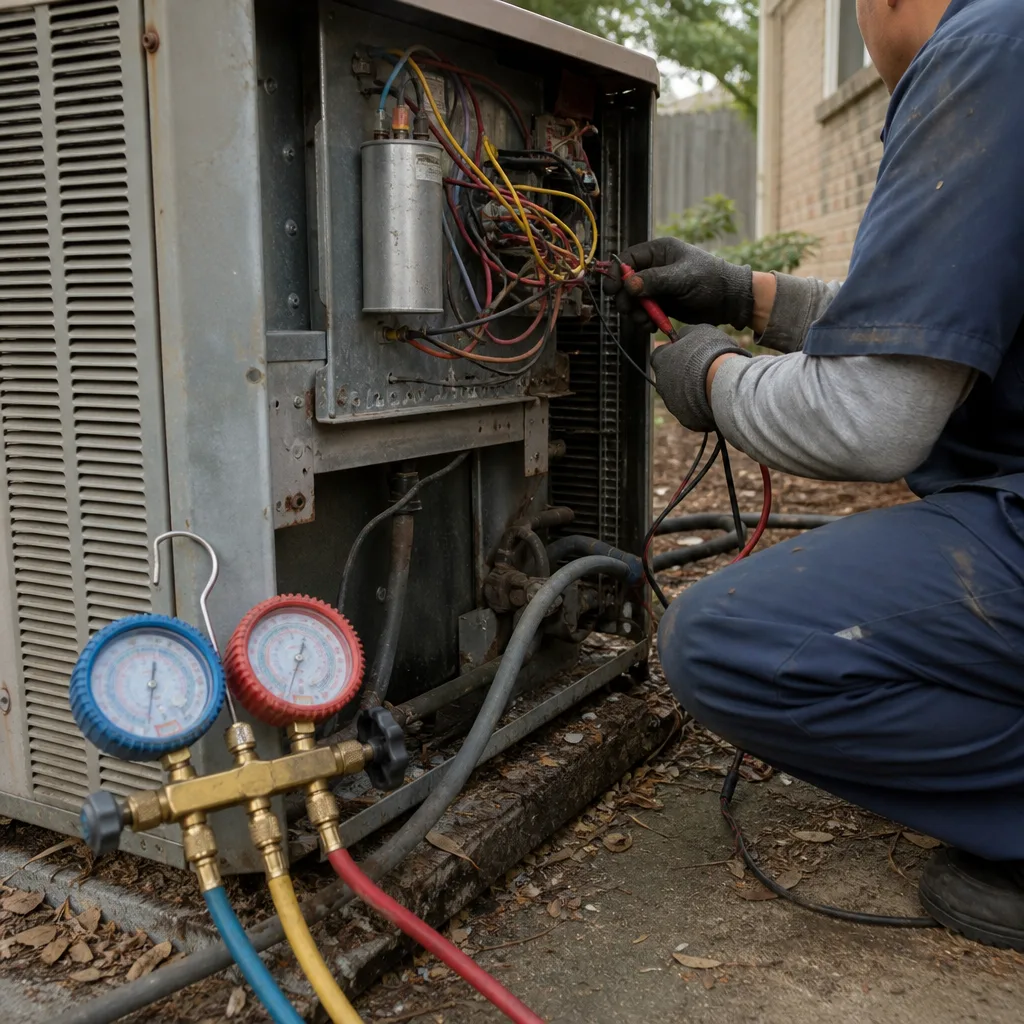 Before
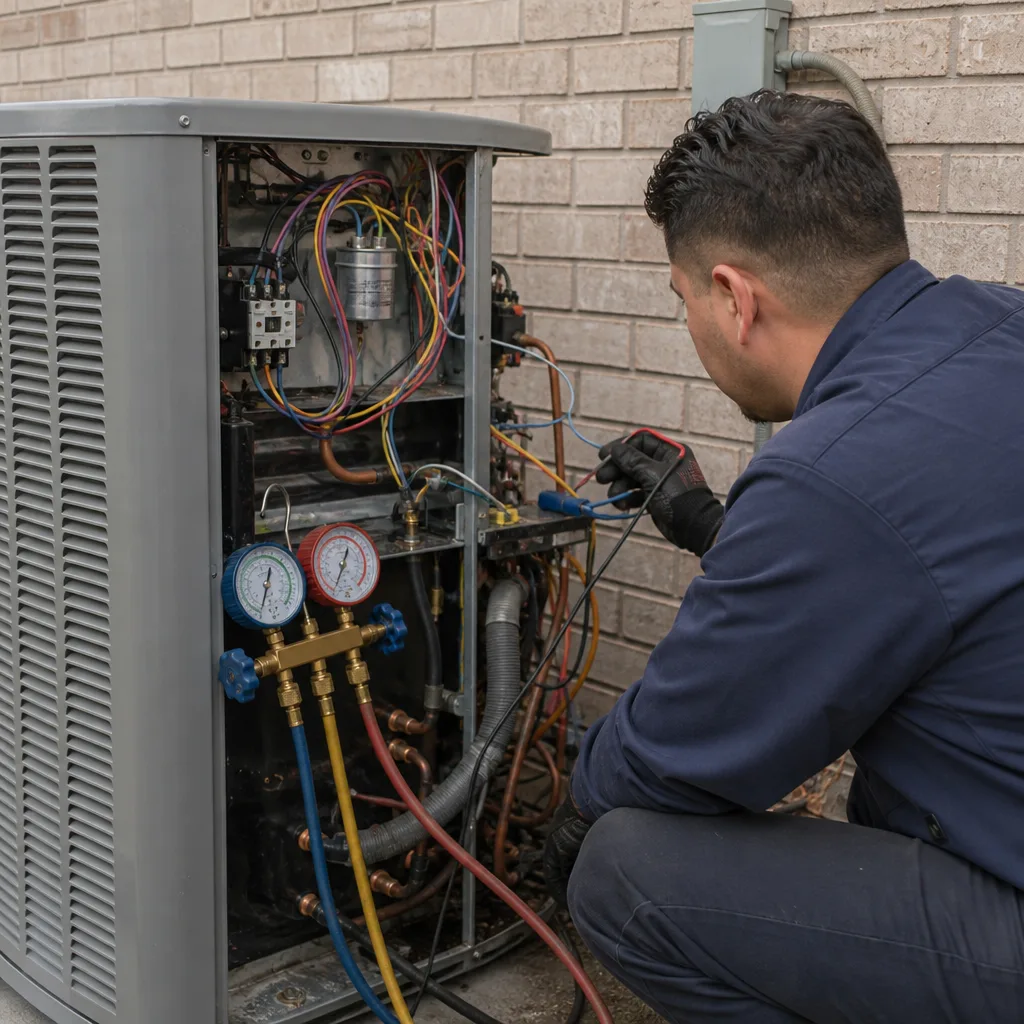 After
After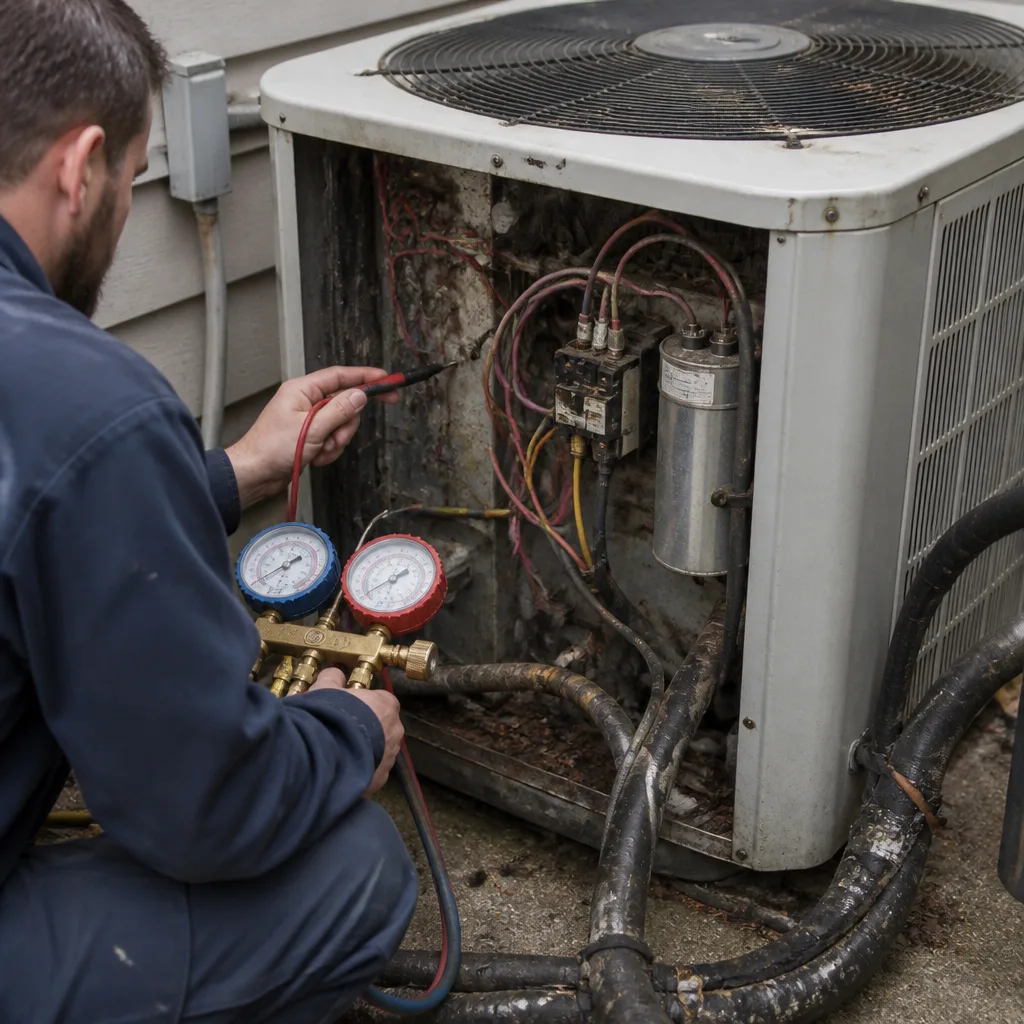 Before
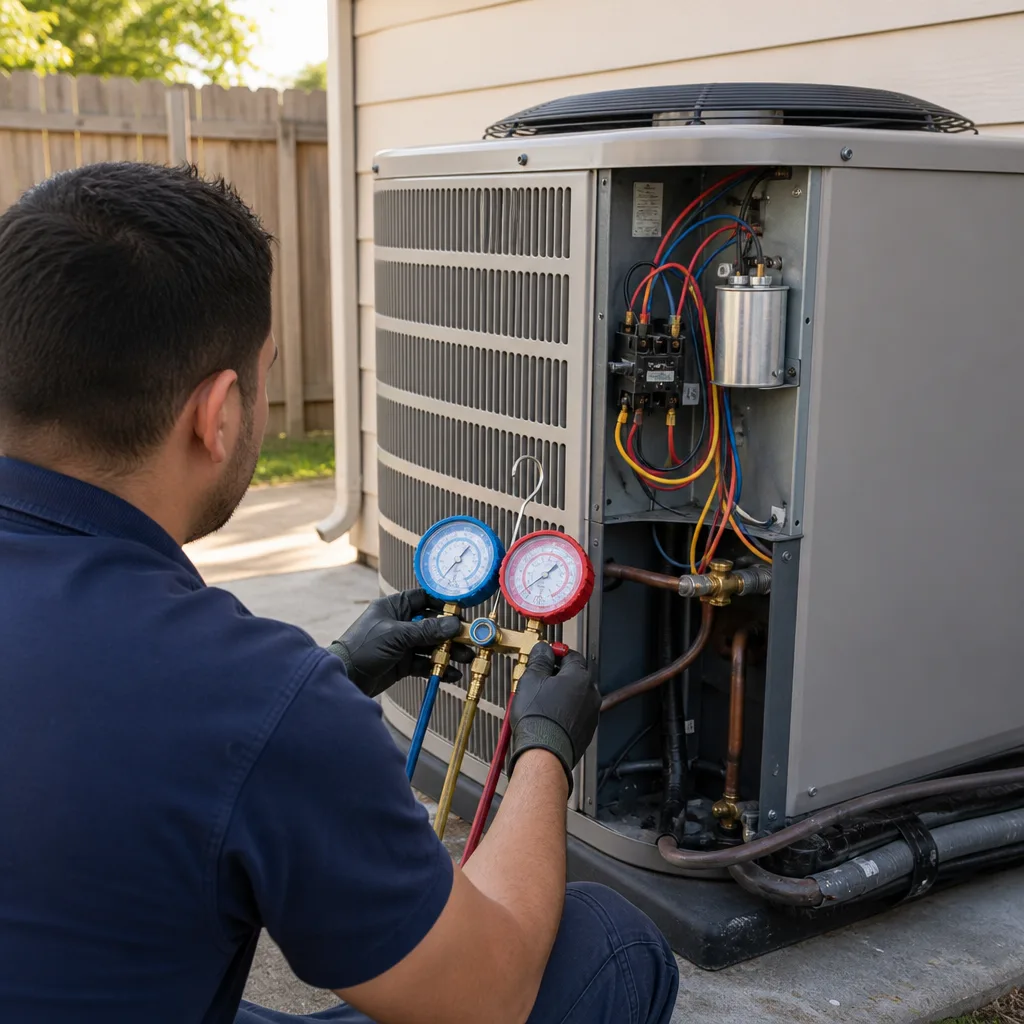 After
After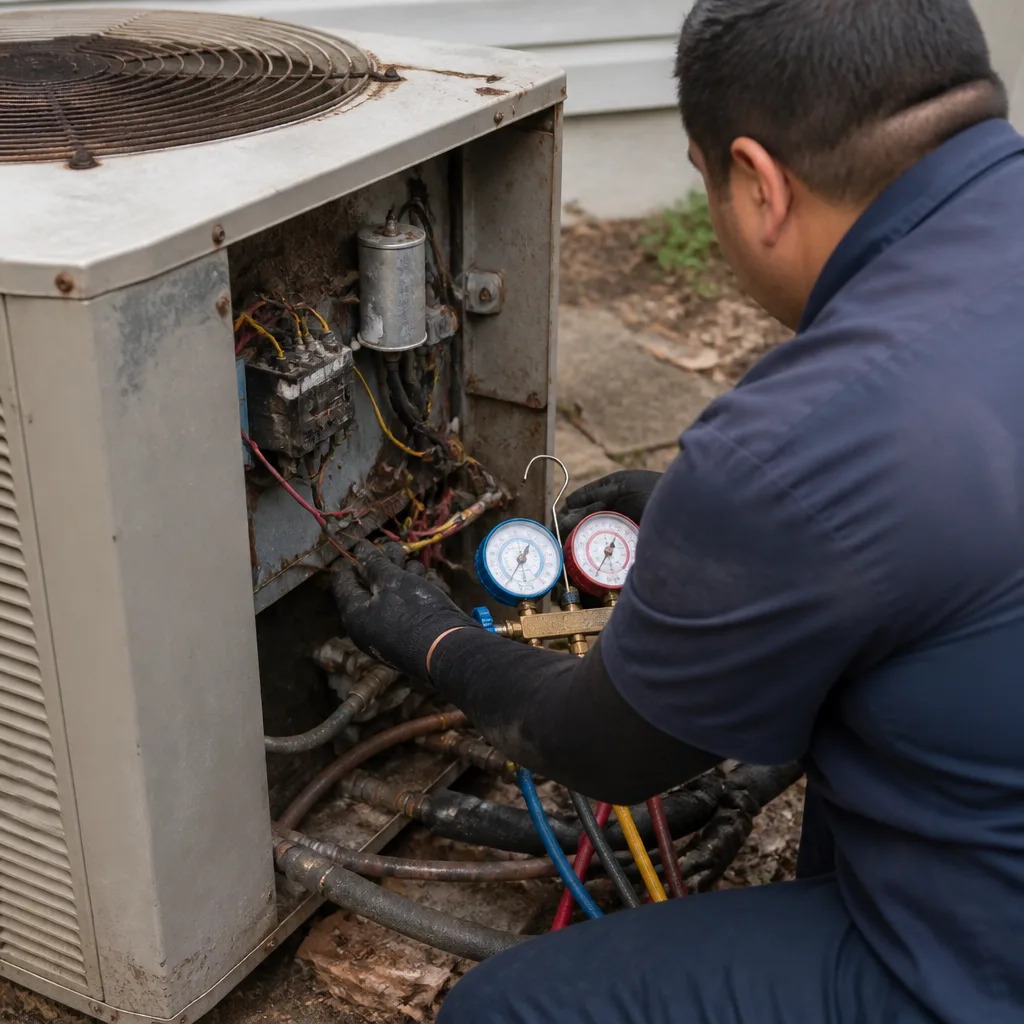 Before
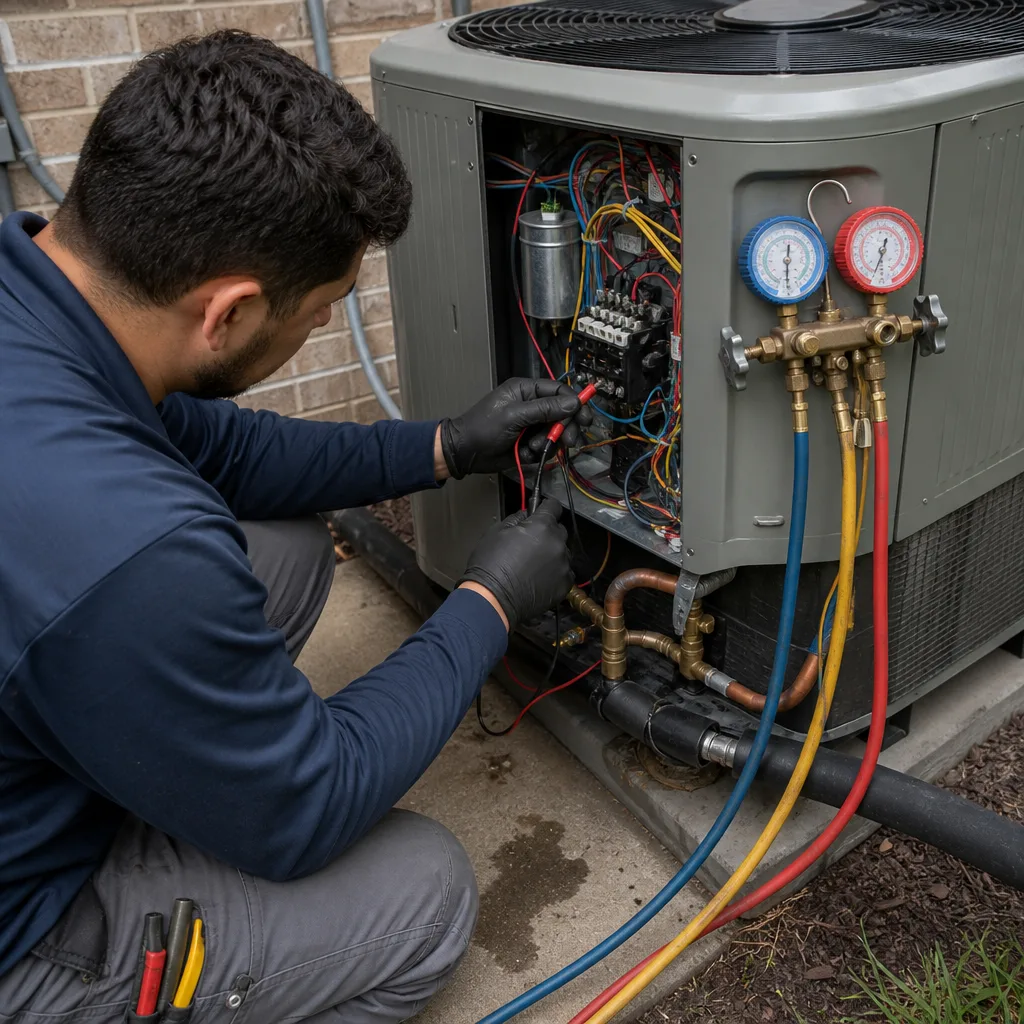 After
After