
Last updated October 16, 2026
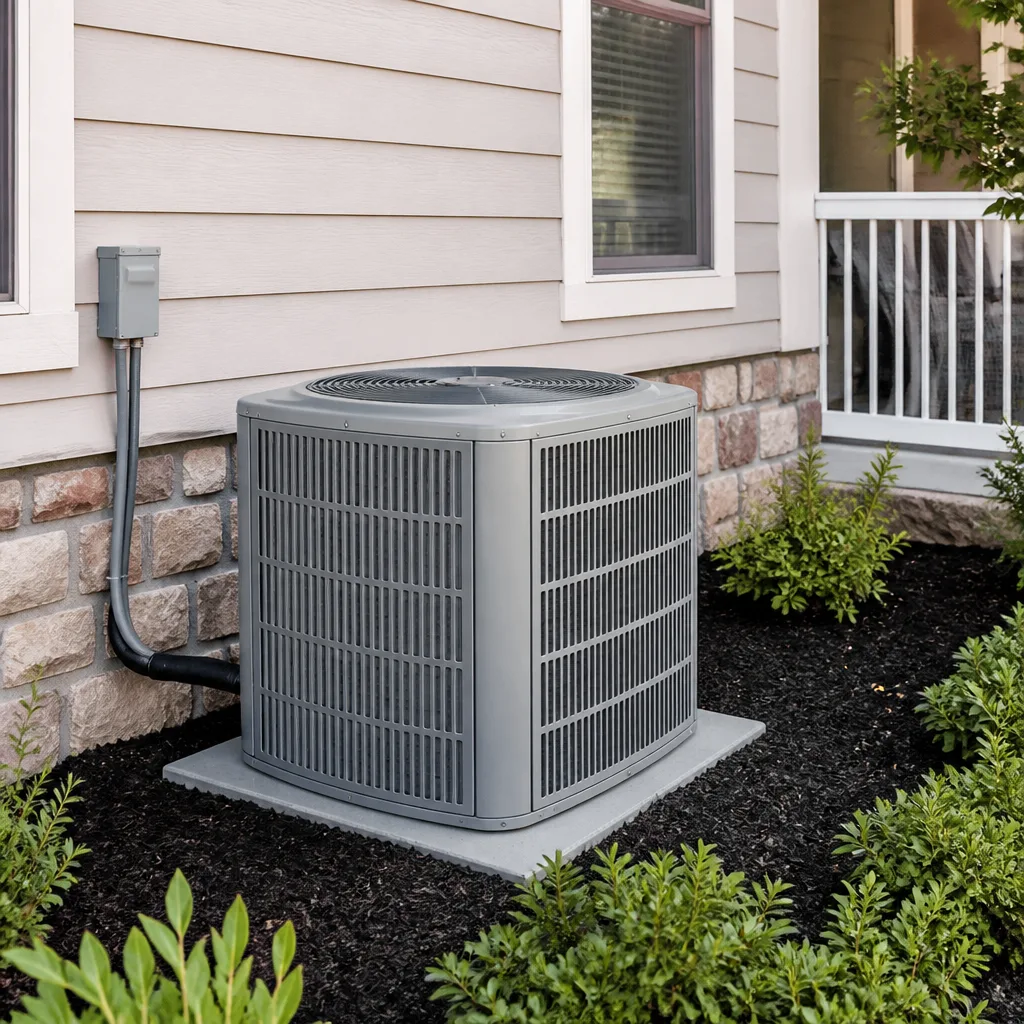 AC repair
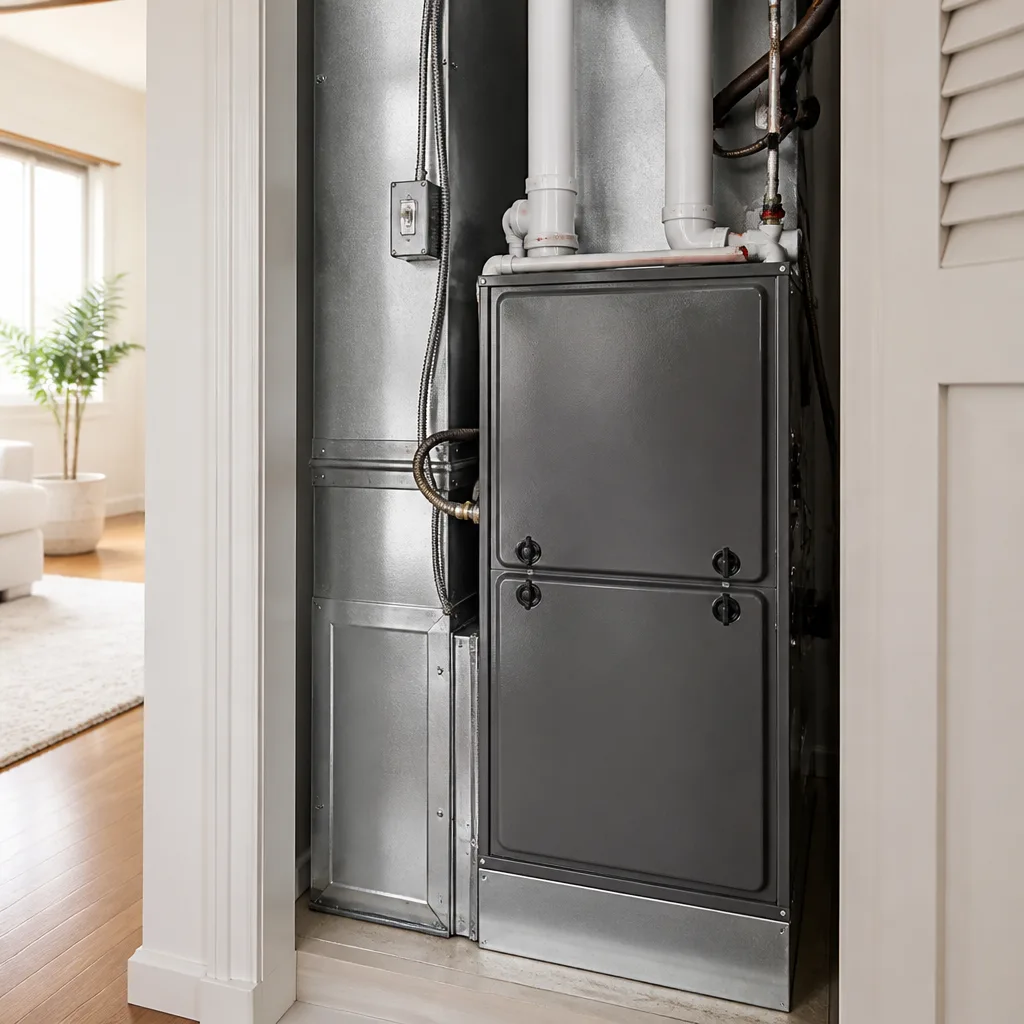 Furnace & heating
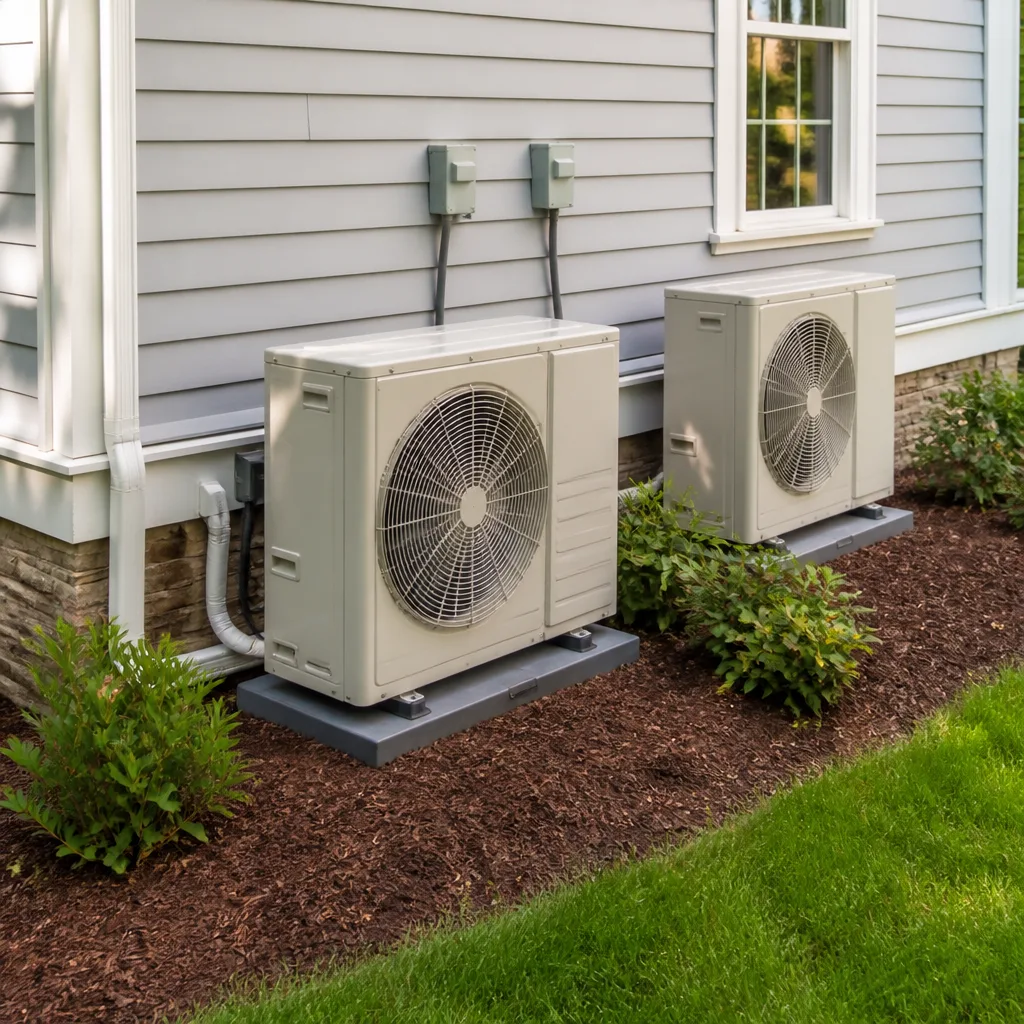 Heat pumps
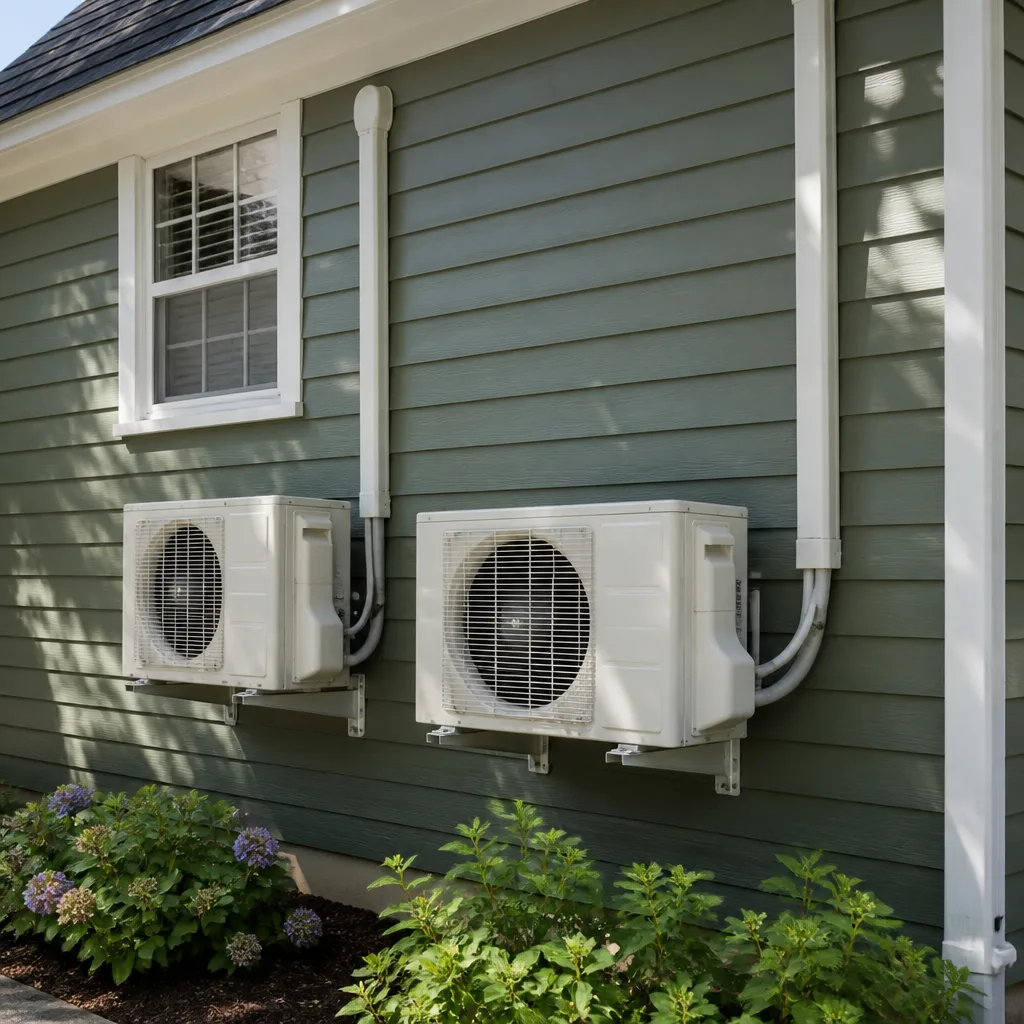 Ductless mini splits
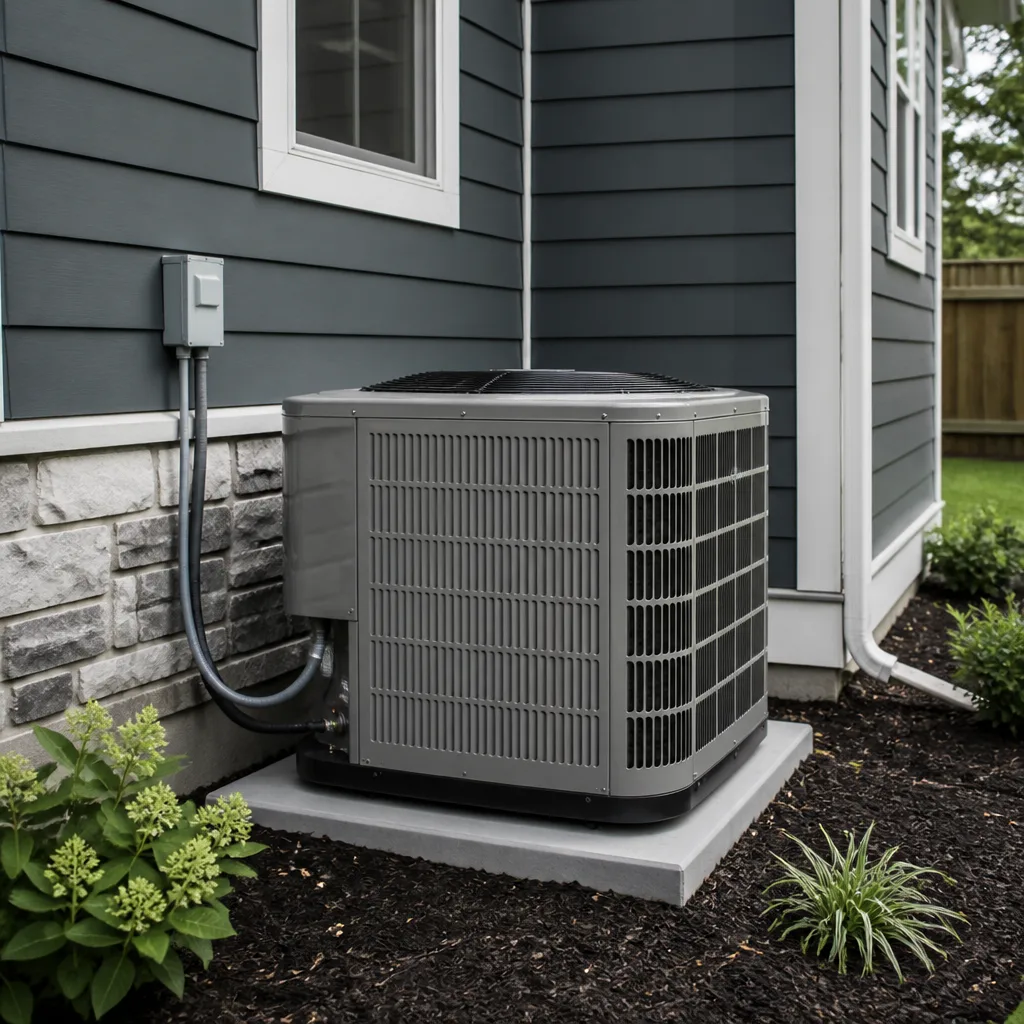 Carrier
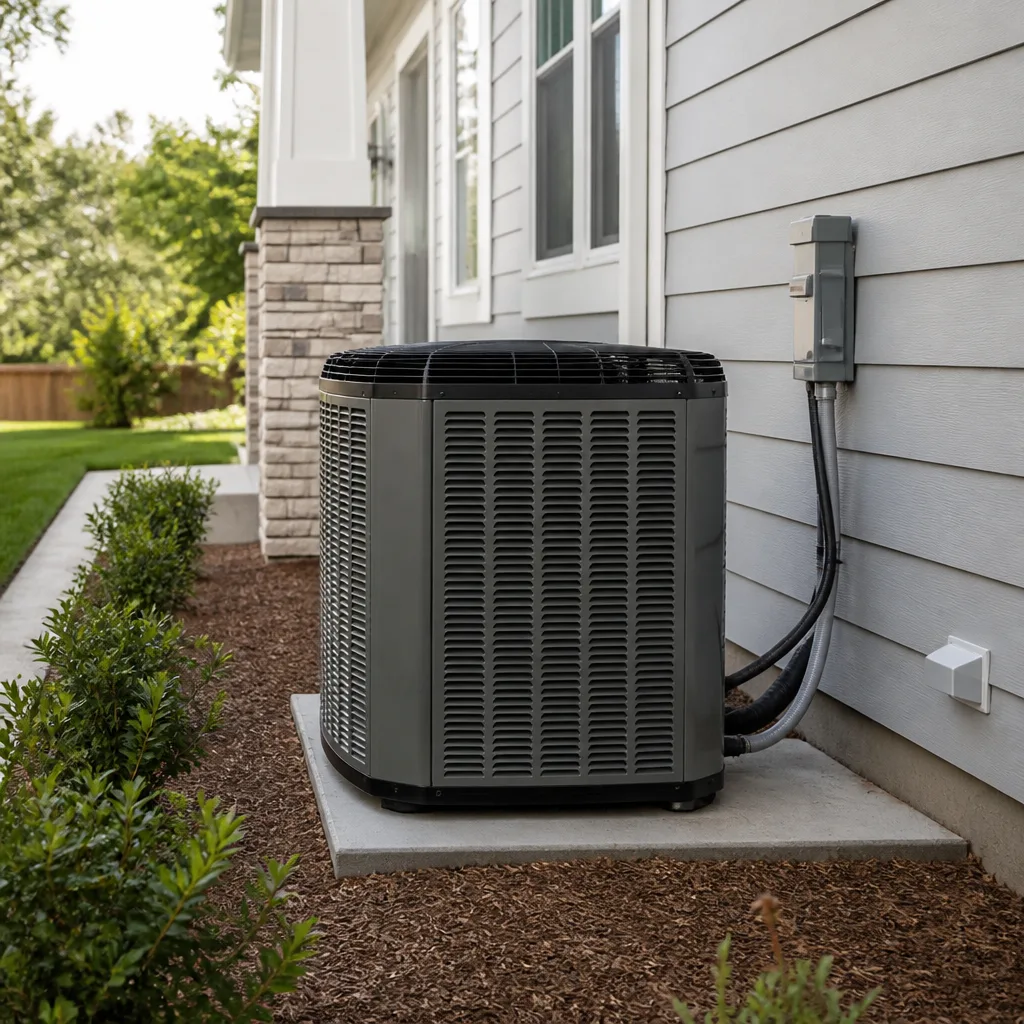 Trane
TraneSeasonal tune-up and full diagnostic on your Carrier, Trane, or Goodman system - readings shown to you before any repair is proposed
Diagnosis first, numbers second - you approve the repair price before a single part goes in.
Get your free estimateThe Complete Guide to HVAC in Dallas
Dallas logs more than 100 days a year above 90°F – more cooling degree days than Miami – yet most HVAC guides written for Texas homeowners were adapted from national templates that treat summer heat as a brief inconvenience rather than a six-month endurance test. That adaptation failure costs Dallas homeowners real money every year in oversized equipment, undersized ductwork, and utility bills that don’t match the house they actually live in. This guide is built the other way around: it starts with the specific climate math Dallas throws at a heating and cooling system, then works through sizing, efficiency ratings, duct design, and how to read a contractor’s quote so you can compare three bids without needing an engineering degree. By the end, you’ll know what your system is up against, what actually matters when you replace it, and what questions separate a thorough HVAC company from one that’s guessing.
Styles & brands we work with
Quick Answer
HVAC in Dallas is a dual-load problem: your system has to handle six straight months of 90°F-plus heat and humidity, then pivot to occasional winter cold snaps that can drop into the teens, all while pushing air through attic ductwork in unconditioned space. The right equipment for Dallas is sized by a room-by-room Manual J load calculation, not by square footage rules of thumb, and the efficiency ratings that pay off here are tied to Dallas electricity rates rather than national marketing numbers. A written quote with specific equipment model numbers, SEER2 ratings, and line-item labor costs is the only way to compare contractors fairly, and any repair worth paying for should come with a written guarantee.
Table of Contents
- The Dual-Load Problem: Why Dallas Breaks Generic HVAC Advice
- Manual J Load Calculations: Why Square Footage Rules Fail Dallas Homes
- SEER2 Ratings That Actually Pay Off in Dallas
- Dallas Building Stock: Slab Foundations, Brick Veneer, and the Attic Duct Problem
- How to Read a Contractor’s Written Quote
- Repair or Replace: A Dallas-Specific Decision Framework
- Seasonal Maintenance That Matters in This Climate
- Common Mistakes to Avoid
- When to Call a Professional
- Frequently Asked Questions
- The Bottom Line
The Dual-Load Problem: Why Dallas Breaks Generic HVAC Advice
Here’s the thing national HVAC guides miss: Dallas doesn’t have one heating and cooling season. It has a six-month cooling season that punishes equipment relentlessly, interrupted by winter cold snaps that can arrive inside a single day. A system spec’d for Phoenix – where it’s dry heat and summer is the only thing that matters – will short-cycle and leave humidity behind in a Dallas July. A system spec’d for Houston, where winter is a non-event, may not deliver the heating capacity a Dallas house needs when the temperature drops to 12°F in January. The climate here is a genuine two-front problem, and the equipment has to handle both without complaint.
In our experience, Dallas homeowners feel this most in two ways. First, the humidity: Dallas summers are hot and humid, not hot and dry, which means your air conditioner is doing two jobs at once – dropping the temperature and pulling moisture out of the air. An oversized unit drops the temperature too fast, before it can remove enough moisture, and the result is a cold, clammy house that still feels uncomfortable. Second, the winter swing: Dallas can go from 70°F to freezing in under 24 hours, and a furnace that hasn’t been checked since spring is being asked to jump from idle to full output with zero warm-up. That’s when igniters fail, flame sensors quit, and the system that ran fine all summer suddenly can’t hold 68°F on the coldest night of the year.
This dual-load reality is why the phrase “Dallas isn’t Phoenix and it isn’t Houston” matters when you’re talking to any HVAC company. A company that understands local climate math will ask about both your summer comfort and your winter reliability before recommending anything. A company working off a national script will just quote you a box size and move on.
Manual J Load Calculations: Why Square Footage Rules Fail Dallas Homes
If you’ve ever heard an HVAC contractor say something like “you need about a ton per 500 square feet,” you’ve heard a rule of thumb that was never designed for Dallas. A Manual J load calculation – the industry-standard method for sizing heating and cooling equipment – works room by room, accounting for window orientation, wall construction, ceiling height, insulation levels, air leakage, and local climate data. In Dallas, that local data matters a lot: west-facing brick walls absorb afternoon sun differently than east-facing ones, and a house with a dark composition-shingle roof in full sun will pick up more heat than an identical house with a light roof and tree cover.
Here’s what a Manual J actually measures, and why each input matters in Dallas specifically:
- Window load: Dallas sun is intense on south and west exposures from May through September. A room with large west-facing windows will need more cooling capacity than the same room facing north, even if the square footage is identical.
- Attic and roof load: Attic temperatures in Dallas routinely hit 140°F in July. The insulation level and ventilation above your ceiling have an outsized effect on your cooling load – far more than they would in a cooler climate.
- Air infiltration: Older Dallas homes, especially those from the 1950s through 1980s, leak air around windows, doors, and wall penetrations. A tight 2010s build may need a full ton less cooling than a leaky 1970s ranch of the same square footage.
- Internal gains: Kitchen appliances, the number of occupants, and even the number of windows that stay uncovered all add heat. A house with a home office running two computers all day has a different load than an empty vacation home.
When a contractor skips this calculation and quotes based on square footage alone, they have two ways to be wrong – both expensive. A system that’s too big will short-cycle through Dallas summers, leaving humidity behind and wearing out compressors early. A system that’s too small will run constantly, never quite holding temperature on the worst days, and the homeowner pays for the mistake on every single utility bill. The load calculation is the difference between an estimate and an actual engineering judgment, and it should be part of any AC installation in Dallas worth paying for.
You can verify this yourself in about ten minutes. Ask the contractor whether they performed a Manual J before quoting equipment size, and ask to see the summary page – it should list the calculated heating and cooling loads in BTUs per hour for each room. If the answer is “we’ve been doing this thirty years, we know what size works,” that’s an answer about their comfort, not about your house.
SEER2 Ratings That Actually Pay Off in Dallas
SEER2 is the federal efficiency metric for air conditioners and heat pumps, and it replaced the older SEER standard in 2023 with stricter testing procedures. The national minimum for new equipment in the South, including Texas, is 15.0 SEER2 for most air conditioners. What you need to know about Dallas specifically: this is a high-usage market. Your air conditioner runs hundreds of hours a year – more than systems in most of the country – which means efficiency differences show up on your electricity bill faster and larger here than they would in, say, Michigan.
The economic sweet spot for most Dallas homes is 15 to 17 SEER2. Here’s the math in plain terms:
- 15 SEER2: Costs the least up front. Meets current efficiency minimums. Makes sense if you plan to sell within a few years or if your utility bills are already modest.
- 16 to 17 SEER2: The range where Dallas homeowners typically see the best balance of purchase price and long-term operating cost. The premium over a 15 SEER2 unit usually pays for itself through lower summer electric bills within the equipment’s lifespan.
- 18 SEER2 and above: Costs significantly more up front. The extra efficiency keeps saving money, but the payback period stretches. This tier makes most sense if you run your AC heavily from April through October, have a large two-story home, or plan to stay in the house for a decade or more.
One Dallas-specific note: variable-speed equipment – systems that can run at partial capacity instead of full blast – is worth more here than in single-climate markets. A variable-speed system runs long, low, and steady during milder months, which removes more humidity than a single-stage unit cycling on and off. In Dallas, where humidity drives comfort complaints from May through September, that’s a meaningful upgrade rather than a luxury add-on.
The brands you’ll see quoted most often in Dallas include Lennox, Goodman, Rheem, and York, and all of them make equipment across the SEER2 spectrum. What matters more than the brand name on the cabinet is the specific model number in the quote – a Goodman at 16 SEER2 and a Lennox at 16 SEER2 will perform close to each other, but a contractor who quotes “a 3-ton unit” without a model number isn’t giving you enough information to compare anything.
Dallas Building Stock: Slab Foundations, Brick Veneer, and the Attic Duct Problem
Dallas homes have a physical character that shapes every HVAC decision, and you won’t find it discussed in national guides. The three features that matter most:
Slab foundations: Most Dallas homes are built on concrete slabs, not basements or crawl spaces. That means the ductwork isn’t in a basement – it’s almost always in the attic, routed through unconditioned space that hits 140°F in summer. If your ducts are in the attic, which they almost certainly are in Dallas, the insulation on those ducts is doing real work. Bare metal ducts in a 140°F attic lose a significant portion of their cooling before the air ever reaches the register. Ductwork with properly sealed joints and full insulation wrapping delivers air that’s actually close to the temperature leaving the indoor coil.
Brick veneer construction: Dallas homes wear brick, and brick absorbs and holds heat. A west-facing brick wall that bakes in afternoon sun will keep radiating heat into the house for hours after sunset. That’s one reason Dallas cooling loads stay elevated into the evening – the house itself is a thermal battery, and your AC is fighting not just the outside air but the heat stored in the walls. Window coverings on south and west exposures do more for your cooling bill in Dallas than they would anywhere north of here.
Attic ductwork, unconditioned space: This is the one that costs Dallas homeowners more than they realize. Ducts running through a 140°F attic are working in the worst possible environment. Leaks, gaps, and crushed sections mean cooled air escapes into the attic instead of reaching your living room, which makes your system work harder and run longer. A duct pressure test – where a technician seals the registers and measures how much air is leaking – can reveal losses that no equipment replacement will fix. In some Dallas homes, sealing and insulating the ducts delivers more comfort improvement than upgrading the equipment itself.
When you’re talking to an HVAC company, ask whether they’ve looked at the ducts, not just the equipment. A company that ignores the ducts is ignoring the delivery system that actually determines whether your living room reaches the temperature on the thermostat.
How to Read a Contractor’s Written Quote
Three bids for the same job can look nothing alike, which is why comparing them without a method is a quick way to make a bad decision. Here’s the step-by-step process we recommend to Dallas homeowners:
- Set the size first. All three bids should state the system size in tons (or BTUs) and should arrive at that size from a Manual J load calculation. If one contractor quotes a 3-ton unit and another quotes a 4-ton unit for the same house, someone is guessing – ask why.
- Get model numbers, not just brand names. “A Lennox” isn’t a quote. The model number tells you the efficiency tier, the feature set, and the warranty level. Ask for the specific model number on the outdoor unit, the indoor coil, and the air handler or furnace.
- Compare SEER2 ratings on the actual models quoted. A quote for a 14 SEER2 system should cost less than a quote for a 17 SEER2 system. If it doesn’t, someone’s pricing isn’t aligned with the equipment.
- Look for line items beyond the equipment. A real quote lists labor, refrigerant, the line set, the disconnect box, the thermostat, the condensate drain, and the permit. A vague quote that says “full install: $12,000” with no breakdown is hiding something – you just can’t tell what.
- Ask about the warranty in writing. Equipment manufacturers warrant parts, usually for 5 to 10 years when registered. The labor warranty is different, and this is where companies diverge: some include one year, some include two, and some will put a longer guarantee in writing. At Cold Harbour Heating and Air Dallas, every repair carries a written 365-day guarantee – if the repair fails inside that year, we come back and fix it at no charge, and that promise is written down before the technician leaves.
- Ask about the permit. In Dallas, a licensed HVAC contractor should pull a permit for equipment replacement, and the city inspects the work. If a contractor offers to skip the permit to save you money, they’re offering to skip the inspection that verifies the work was done to code.
A written price before any work begins is not a nice-to-have – it’s the bare minimum standard for a contractor you can trust. The Kingswell Way, the set of operating standards we built Cold Harbour Heating and Air Dallas around, puts it in writing every time: say the price before the work, show up in the window given, leave the place cleaner than found, put the guarantee on paper, and come back if it fails. When you read a quote through that lens, you can tell quickly which companies are willing to commit and which ones want to keep the details vague.
Repair or Replace: A Dallas-Specific Decision Framework
Every Dallas homeowner faces this decision eventually, and the right answer depends on more than the age of the equipment. Here’s the framework we use, and it’s built around the way Dallas actually operates its systems:
- Age of the system: Air conditioners in Dallas run harder than the national average, which means they don’t necessarily last as long as the same equipment would in a cooler climate. A 12-year-old system in Dallas has often done the work of a 16-year-old system elsewhere. If your AC is past 12 years old and needs a major repair – a compressor, a coil, a refrigerant leak in an R-22 system – replacement usually makes more financial sense than repair.
- Refrigerant type: R-22, the refrigerant used in systems built before 2010, is no longer produced or imported in the United States. The remaining supply is recycled, and prices keep climbing. Any repair that requires adding R-22 in Dallas is a repair on borrowed time. If your system leaks R-22, you’re better off putting that money toward equipment that runs on the current standard.
- Repair cost ratio: Multiply the repair quote by the age of the system. If the result is approaching or exceeding the cost of replacement, replace. A $1,800 compressor job on an 11-year-old system, for example, is roughly $19,800 in that math – close to or above the price of many full system replacements in Dallas.
- Comfort history: If certain rooms have never cooled properly, no repair to the existing equipment will fix a duct or sizing problem. That money is better spent on a proper load calculation and a correctly sized system.
One thing we tell every homeowner: a repair that comes with a written guarantee is a repair you can justify. Our 365-Day Done Right Promise means that if a repair doesn’t hold for a full year, the second visit is on us – no charge, no argument, written down from the start. That guarantee is what makes a repair a reasonable bet instead of a roll of the dice. For help deciding, call (430) 213-5796 and we’ll give you a straight answer, not a sales pitch.
Seasonal Maintenance That Matters in This Climate
In Dallas, the maintenance calendar is compressed: you need the air conditioner ready by April, and you need the furnace ready by November. The shoulder seasons are shorter here than they look on the calendar, which means the window to catch problems before they become emergencies is narrow. Here’s what actually matters, season by season:
- Spring, before cooling season: Coil cleaning, refrigerant level check, condensate drain clearing, capacitor testing, and an inspection of the outdoor unit for airflow obstructions. In Dallas, a system running low on refrigerant by a pound or two will run constantly and bill you for electricity it isn’t converting into cooling.
- Fall, before heating season: Burner cleaning, flame sensor inspection, heat exchanger check, and ignition system verification. Dallas furnaces sit idle for months at a time, and failures cluster in the first cold snap when every system is asked to fire at once.
- Filter replacement year-round: In Dallas, with all the pollen and dust, a 1-inch filter should be changed every 30 to 60 days during the cooling season, not every 90. A clogged filter reduces airflow and freezes coils – and a frozen coil is a service call that was preventable for the cost of a $10 filter.
If you need a tune-up or a repair before the season turns, AC repair in Dallas is something we handle every day, and the same goes for furnace repair in Dallas when winter swings through. The maintenance itself isn’t complicated, but catching a failing capacitor or a cracked heat exchanger before it fails at 2 a.m. on the hottest or coldest night of the year is the difference between a planned repair and an emergency call.
Common Mistakes to Avoid
- Oversizing the air conditioner. Bigger is not better. An oversized unit short-cycles through Dallas summers, leaves humidity behind, and dies early. Size comes from a Manual J, not from a rule of thumb.
- Choosing equipment without looking at the ducts. Attic ductwork in Dallas is often the biggest single source of wasted cooling. New equipment connected to leaky, uninsulated ducts will disappoint on the first 100°F day.
- Ignoring SEER2 ratings and buying on brand name alone. “Goodman” or “Lennox” isn’t an efficiency rating. Compare model numbers and actual ratings, and understand that a 15 SEER2 system from any major brand will typically be more efficient than a 13 SEER2 unit from a “premium” line.
- Accepting a quote without a written breakdown. If the quote doesn’t itemize equipment, labor, refrigerant, and permit, you can’t compare it to the next quote. You’re comparing one number against another, which isn’t the same thing.
- Delaying a furnace check until the first cold snap. Every fall, the first freezing night in Dallas triggers a wave of no-heat calls. Most of those failures were visible in September with a basic inspection.
- Putting a repair into an R-22 system. R-22 is out of production. Every pound you buy is recycled and expensive, and the problem that caused the leak will come back. Put the money toward new equipment.
- Skipping the permit. In Dallas, an unpermitted HVAC replacement can come back to bite you when you sell the house. A contractor who suggests skipping the permit is asking you to accept risk you don’t need.
When to Call a Professional
Some things are safe to handle yourself – changing the filter, checking that the outdoor unit has clear airflow, confirming the thermostat is on the right setting. Anything beyond that is worth a phone call. Call a professional when the outdoor unit is running but not producing cold air, when you hear grinding or banging sounds from the indoor or outdoor unit, when the breaker trips more than once, when the system freezes over, or when you smell anything unusual from the furnace on its first start of the season. These are symptoms with mechanical causes, and guessing at them usually makes the repair more expensive. Cold Harbour Heating and Air Dallas offers free estimates in Dallas – call (430) 213-5796 and we’ll get a technician to your home in the window we promise, with a written price before any work begins.
Frequently Asked Questions
A full system replacement in Dallas – furnace and air conditioner, or a heat pump system – typically runs $7,000 to $14,000 depending on the size of the home, the SEER2 rating of the equipment, and whether the ductwork needs attention. The spread comes from efficiency tiers and the complexity of the install, not just brand name. Call (430) 213-5796 for an exact quote on your specific home – the estimate is free, and the price is written down before we start.
A seasonal maintenance visit in Dallas, where a technician checks refrigerant, cleans coils, tests capacitors, and inspects the system end to end, usually runs $89 to $180 for a single system. Companies that charge significantly less are often selling a 15-minute filter change and a clipboard, not a real inspection. A real tune-up produces a written report of what was found.
You can, but it’s not wise to run an air conditioner when outdoor temperatures drop below about 55°F – the refrigerant can’t absorb enough heat, and the compressor doesn’t get the warm, low-pressure refrigerant it needs to stay healthy. In Dallas winters, days mild enough to need cooling are usually followed by nights too cold for the AC to run safely. If you want year-round comfort without switching between systems, a heat pump is the better answer, and it’s becoming more common in Dallas for good reason.
By volume, it’s the dual-service issue: air conditioners that freeze up in July from low refrigerant or restricted airflow, and furnaces that fail to ignite on the first cold night of winter because a flame sensor or igniter sat idle for eight months. Both problems are preventable with seasonal maintenance, and both are the direct result of Dallas’s dual-season climate. If you’re dealing with either one, AC repair in Dallas and furnace repair in Dallas are handled daily by our team.
In Dallas, a standard 1-inch fiberglass filter should be replaced every 30 to 60 days during cooling season, and at least every 90 days through the rest of the year. Dallas air is heavy with pollen, dust, and construction particulate, and a clogged filter forces the blower to work harder, reduces airflow across the coil, and can cause ice to form on the indoor coil – which then requires a service call.
In Dallas, an air conditioner typically lasts 12 to 15 years, and a furnace often lasts 15 to 20, because furnaces run far fewer hours each year. That’s shorter than the national average for AC because Dallas systems run hundreds of hours per cooling season, and hours are what age equipment, not calendar years. A system that’s maintained twice a year will typically outlast an identical system that’s ignored until it breaks.
Yes. The city of Dallas requires a permit for HVAC equipment replacement, and the inspection that follows is what verifies the work meets code. A contractor who suggests skipping the permit is offering to skip the accountability. It’s not a way to save money – it’s a way to inherit liability.
For answers to more questions about heating and cooling in the metro, start with our Cold Harbour Heating and Air Dallas home guide, which links to our service area and local pages.
The Bottom Line
Dallas HVAC is a two-front problem, and the homeowners who get it right treat it that way from the start. Size the equipment with a real Manual J load calculation, not a square footage rule. Buy the SEER2 rating that makes sense for your actual electricity use, not the number a national ad campaign promotes. Look at the ducts before you blame the equipment, and read every quote line by line until you can compare all three bids on equal footing. The companies worth hiring will put their price, their arrival window, and their guarantee in writing – before the work starts and before you pay a dollar. That’s the standard we’ve held at AC installation in Dallas since 2003, and it’s the standard any homeowner should expect.
Written by Victor Mancini, Owner at Cold Harbour Heating and Air Dallas, serving Dallas since 2003.
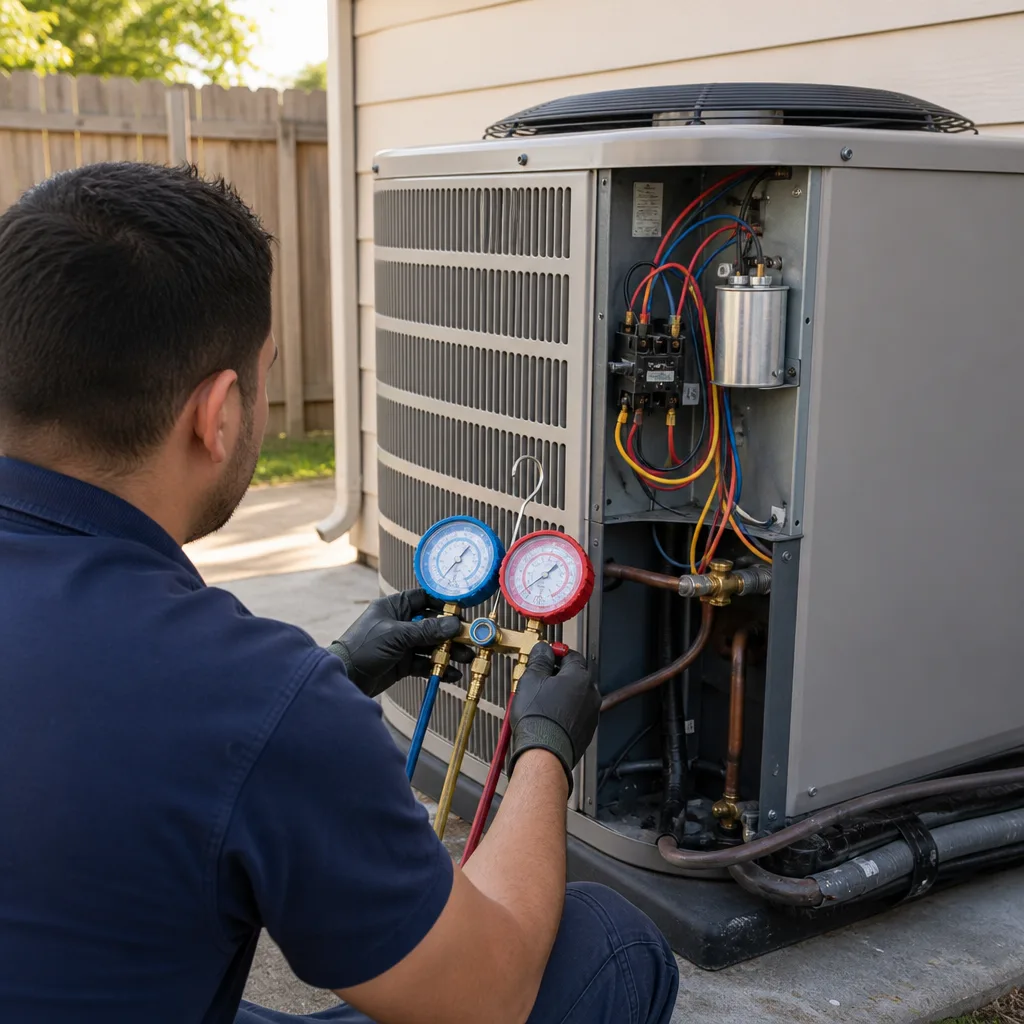
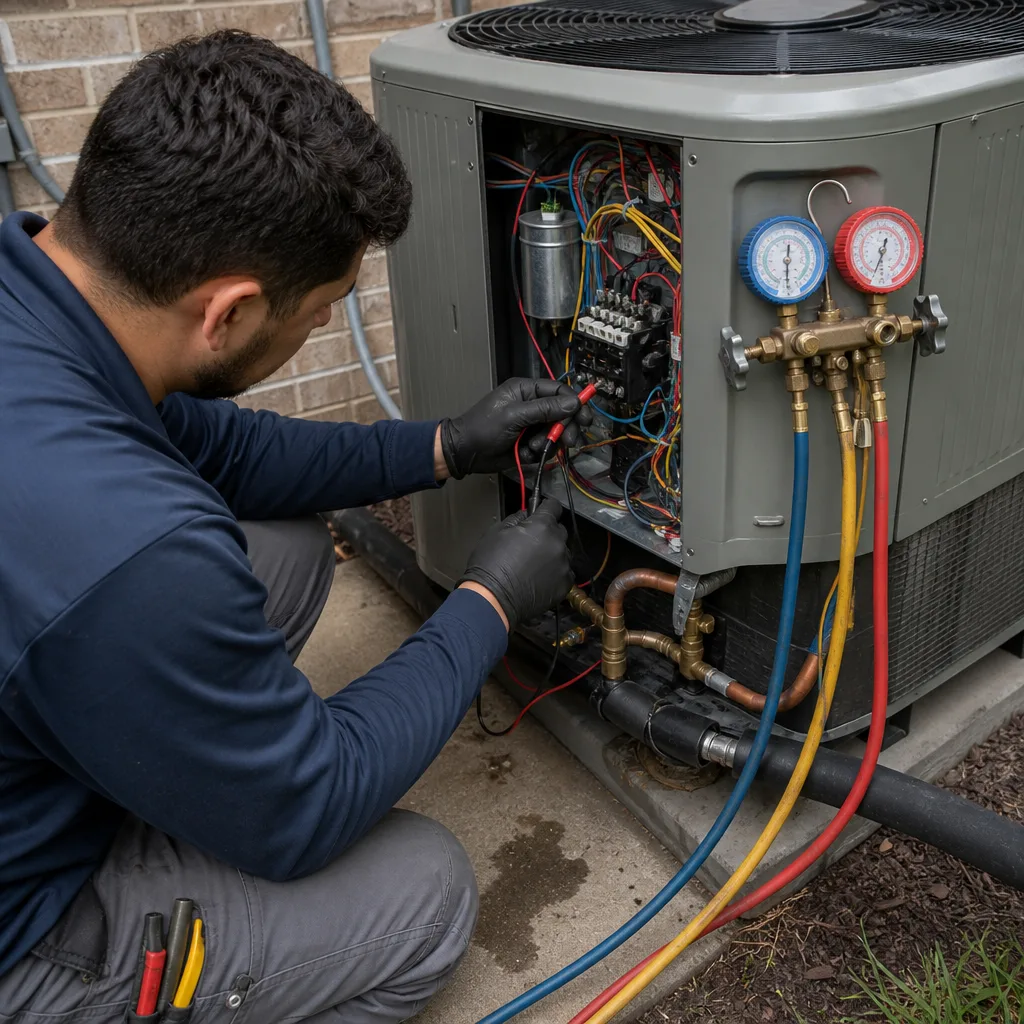
See the difference
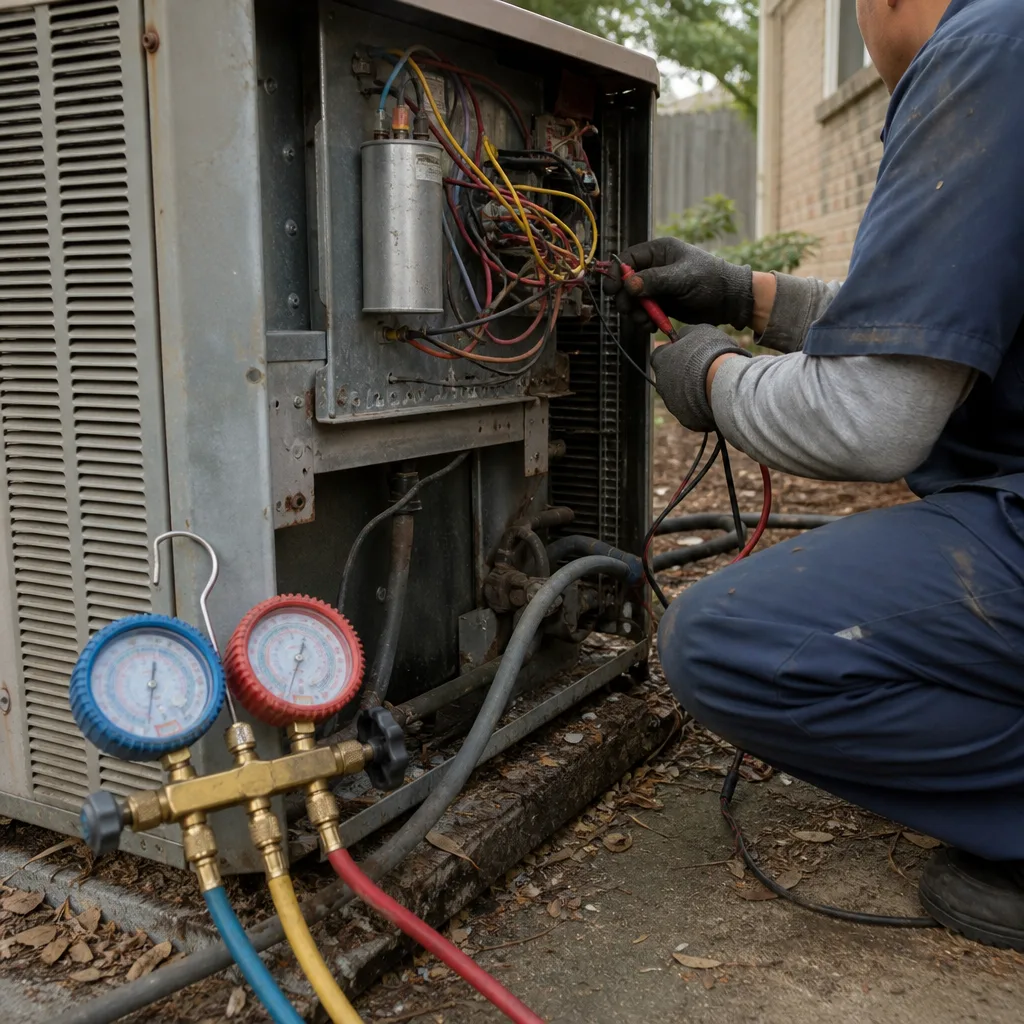 Before
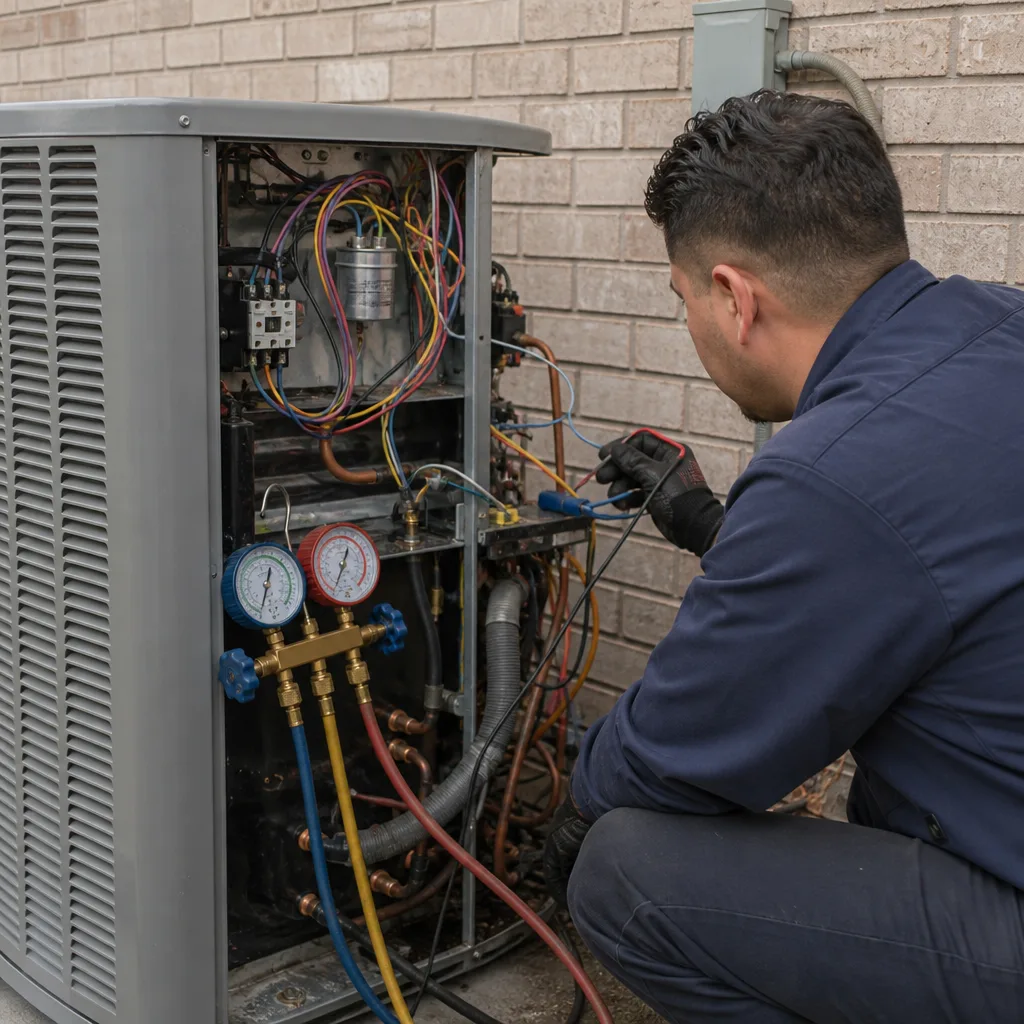 After
After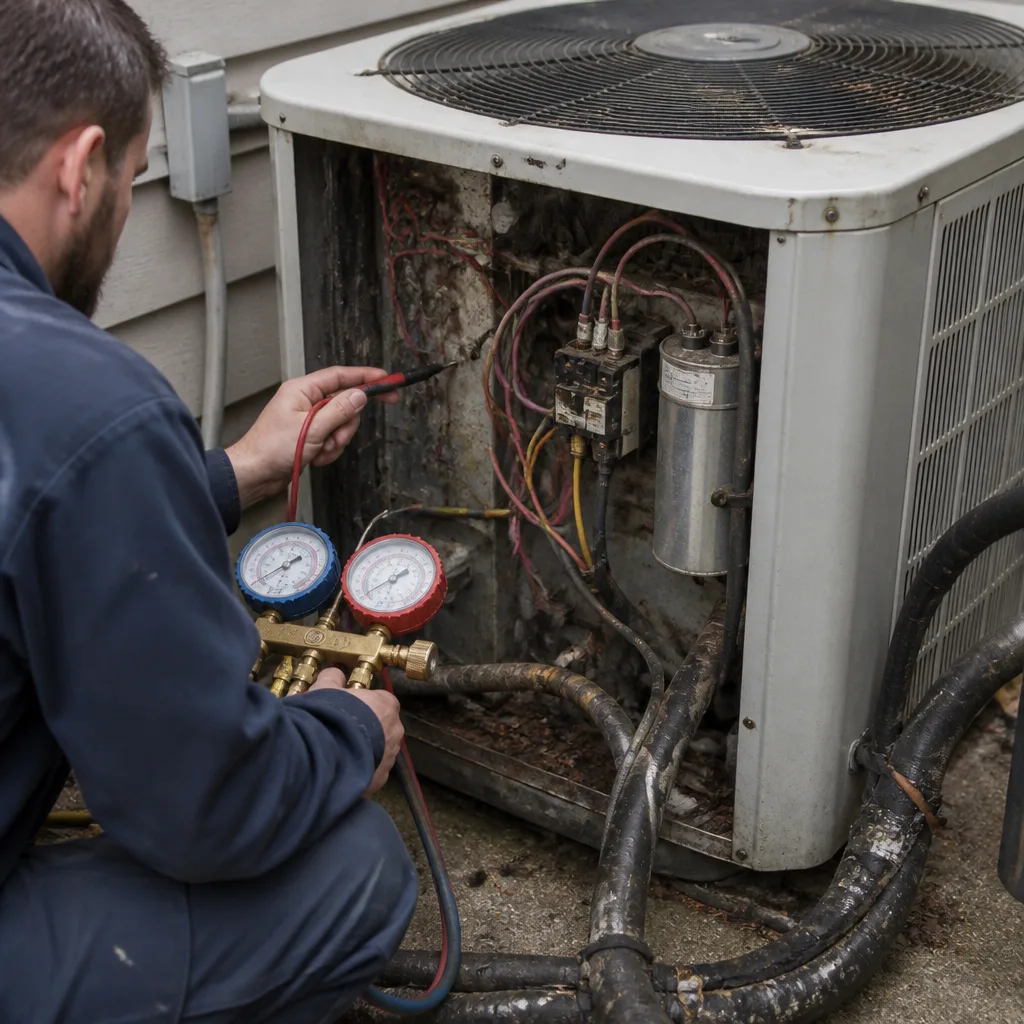 Before
 After
After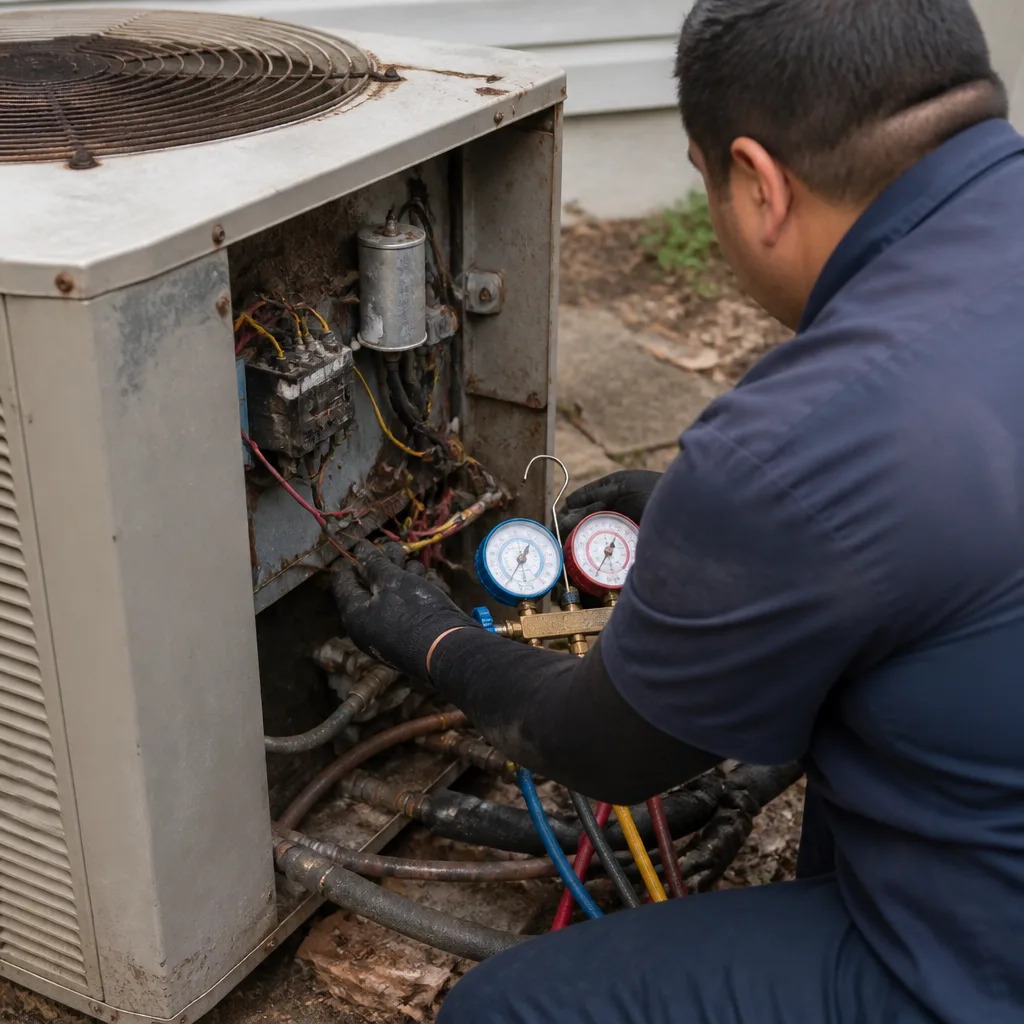 Before
 After
After