
Last updated October 16, 2026
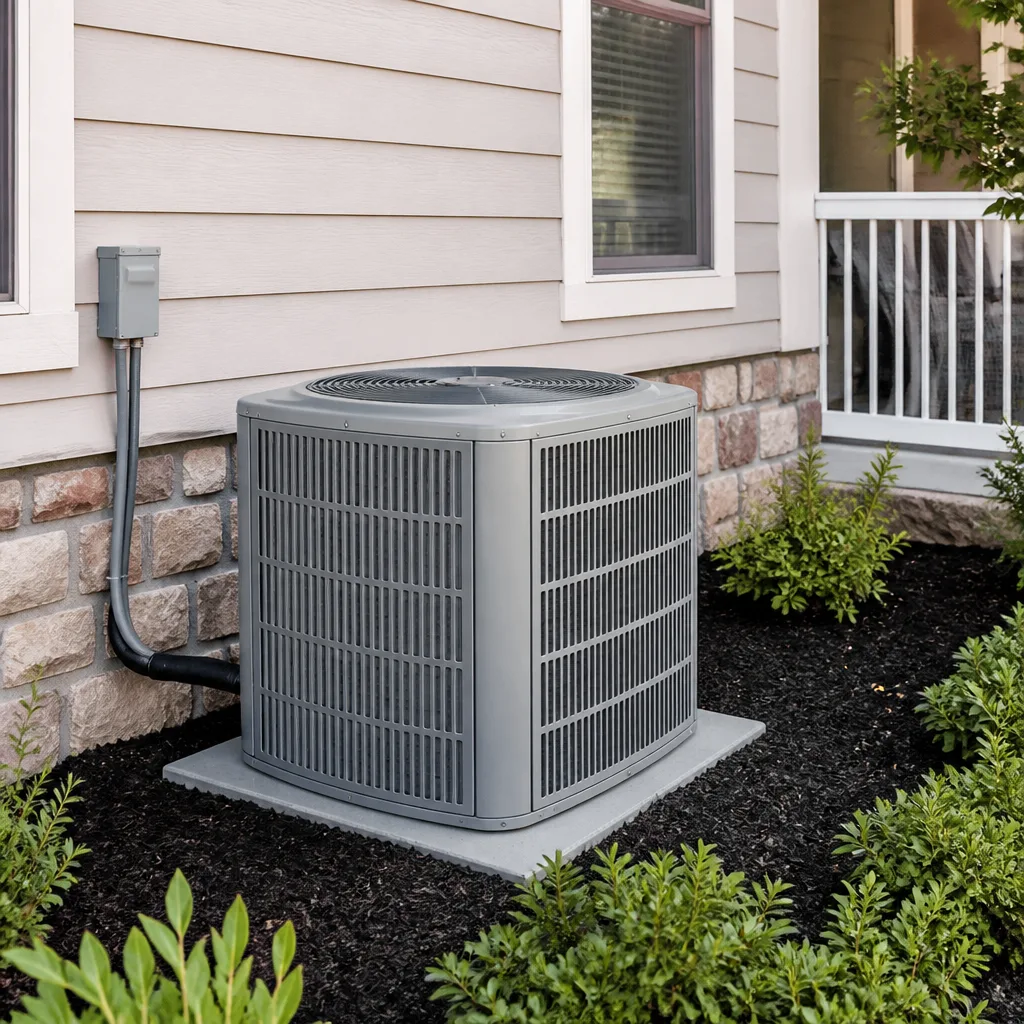 AC repair
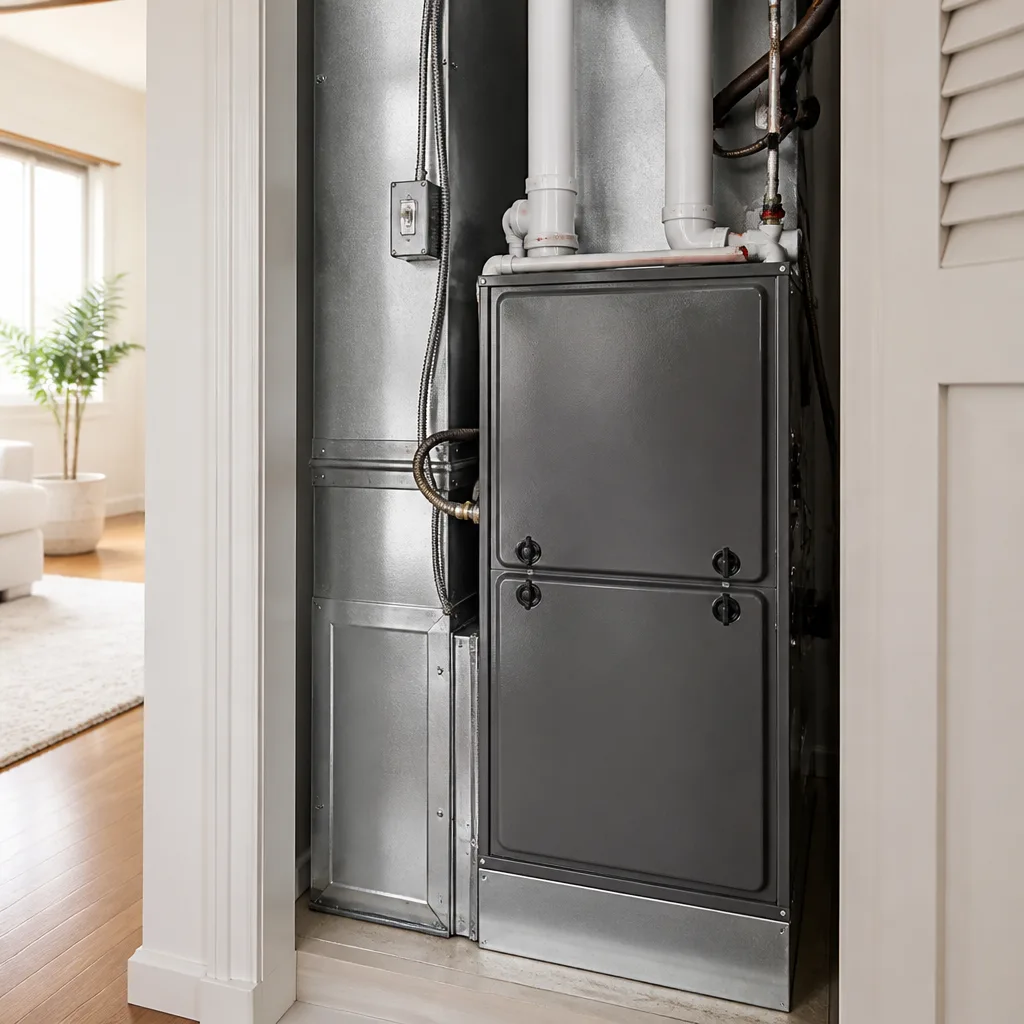 Furnace & heating
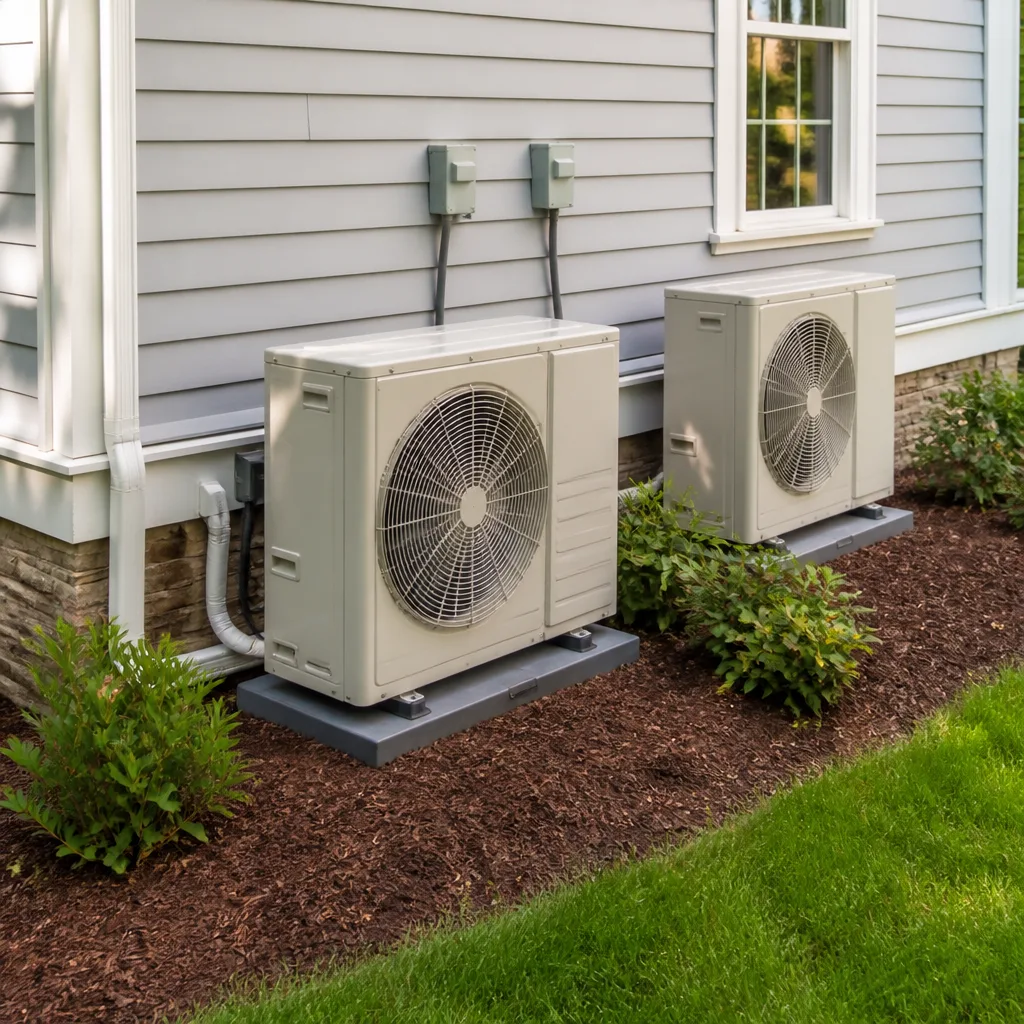 Heat pumps
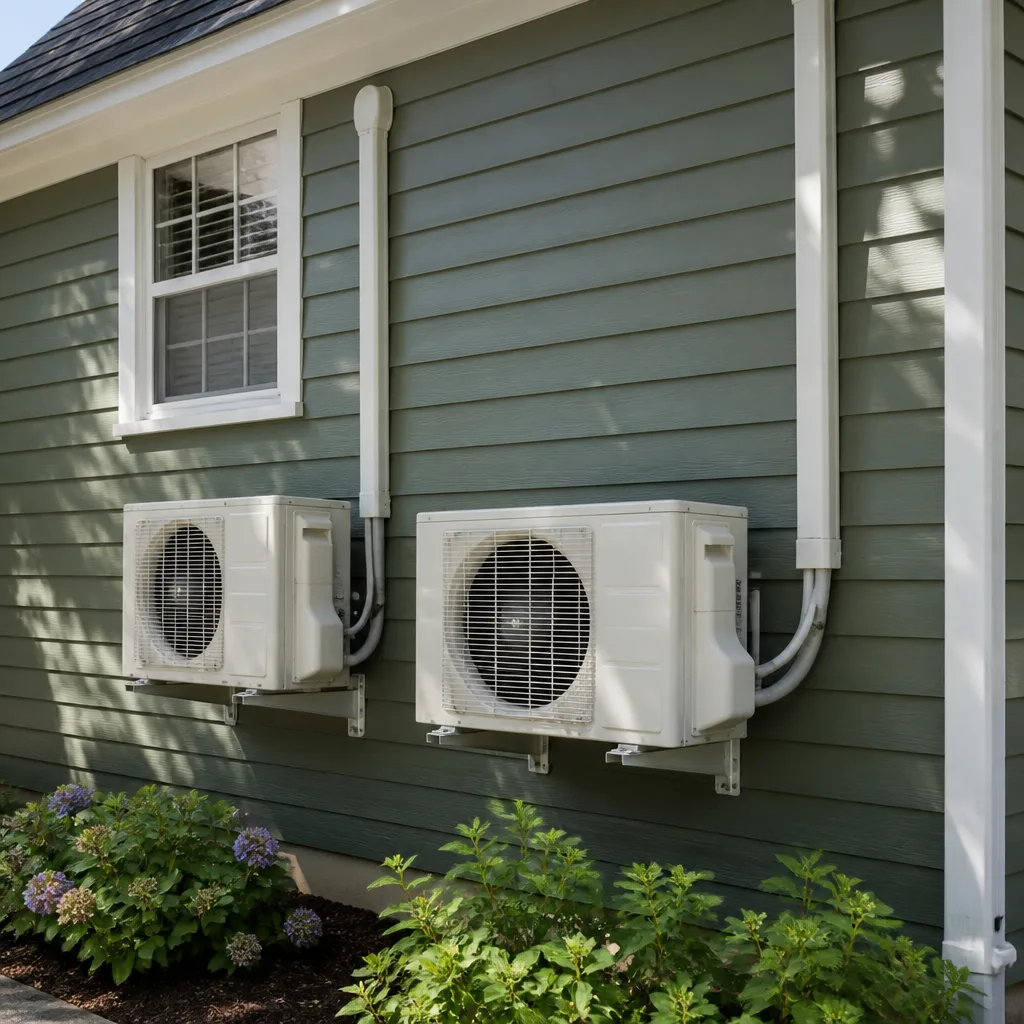 Ductless mini splits
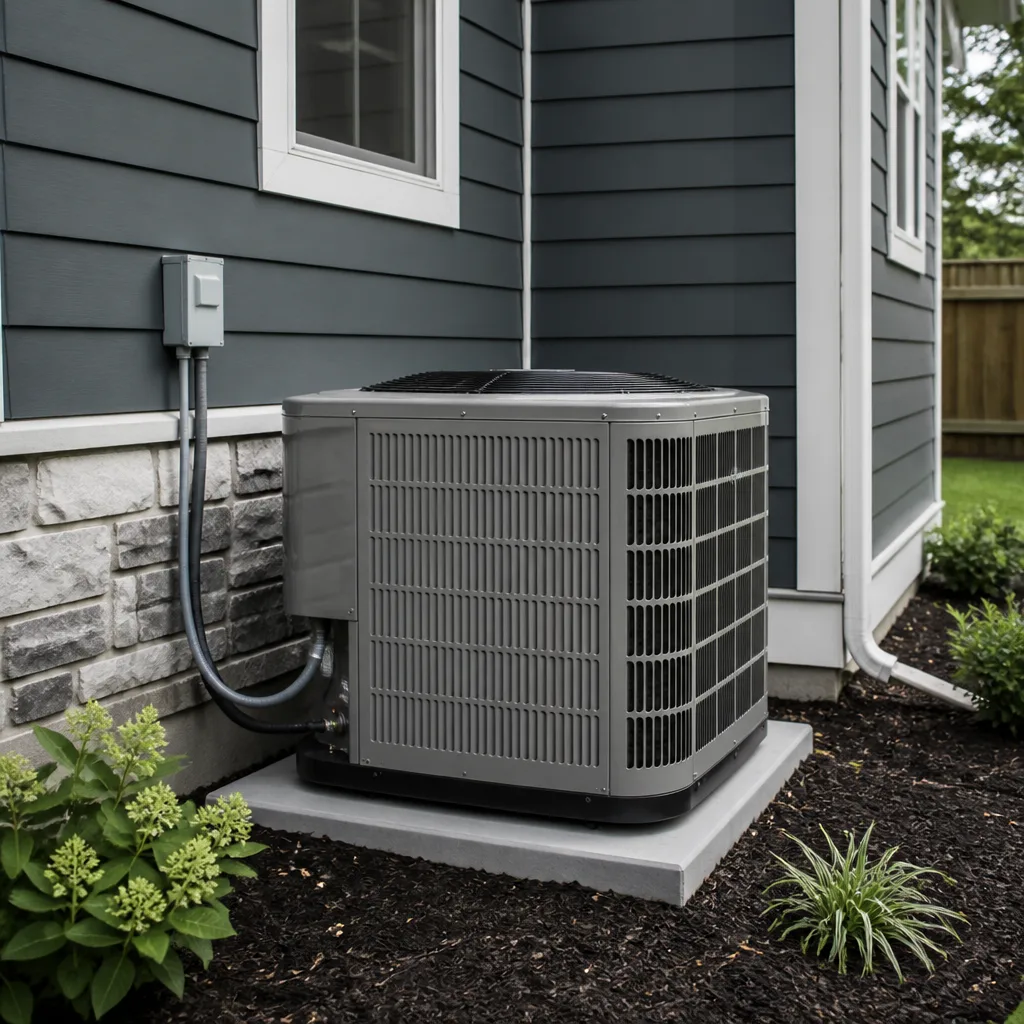 Carrier
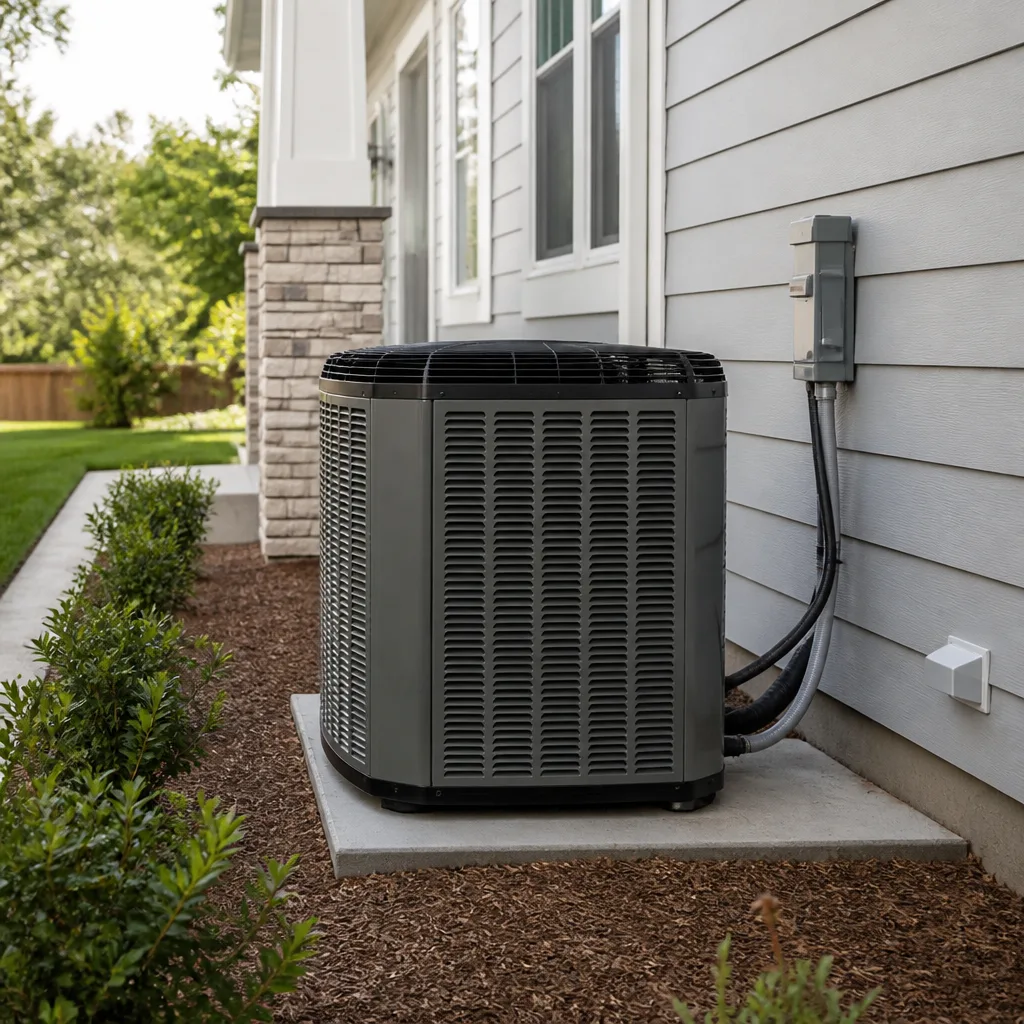 Trane
TraneSeasonal tune-up and full diagnostic on your Carrier, Trane, or Goodman system - readings shown to you before any repair is proposed
Diagnosis first, numbers second - you approve the repair price before a single part goes in.
Get your free estimateHVAC Permits, Codes & Inspections in TX: What You Need to Know
Real estate attorneys in Dallas report that unpermitted HVAC work is one of the most common items that delays or kills a home sale. The homeowner who paid for the work years ago is the one who bears the cost of remediation, not the contractor who skipped the permit. In Texas, HVAC permits are governed by a patchwork of state law and local amendments, and Dallas runs one of the stricter enforcement programs in the state. This guide explains exactly which HVAC jobs trigger a permit requirement in Dallas, what the inspection covers, what it costs, and how to verify whether work already done on your home was permitted, building on our HVAC Warning Signs: A Dallas Homeowner’s Reference Guide. You will walk away knowing exactly what to ask a contractor before they touch your system.
Quick Answer
In Dallas, a mechanical permit is required for any new HVAC installation, full system replacement, ductwork modification, or gas line connection to a furnace. Like-for-like component swaps, such as a capacitor or igniter replacement, generally do not require a permit (see our AC Repair Maintenance Checklist for Dallas Homeowners for routine upkeep). The permit is pulled through the City of Dallas online portal, costs between $50 and $400 depending on the scope of work, and requires a final inspection by a city mechanical inspector. Skipping the permit can void a homeowner’s insurance claim, stop a home sale, and force a full system teardown at resale.
Styles & brands we work with
Table of Contents
- Which HVAC Jobs Always Require a Permit in Dallas
- Which HVAC Jobs Are Typically Exempt from Permits
- How Dallas Adopted the 2021 International Mechanical Code
- The Actual Permit Application Process for Dallas Homeowners
- What Happens at a Dallas Mechanical Inspection
- How to Verify Whether Previous Owner’s HVAC Work Was Permitted
- What a Failed Inspection Requires the Contractor to Correct
- Common Mistakes to Avoid
- When to Call a Professional
- Frequently Asked Questions
Which HVAC Jobs Always Require a Permit in Dallas
Dallas requires a mechanical permit for work that changes the footprint, fuel source, or duct distribution of a residential HVAC system. If the job involves new equipment that did not exist before, or relocating equipment that already exists, you need a permit. Here is the plain list of what triggers a permit requirement in Dallas:
- New air conditioner installation: Installing an AC system where none existed before. This includes adding central air to a home that previously relied on window units or a swamp cooler.
- Full system replacement: Replacing both the outdoor condensing unit and the indoor evaporator coil or air handler. This applies even when the replacement goes into the same location.
- Furnace replacement: Any new furnace installation, including switching from electric to gas or swapping a gas furnace for a different model.
- Ductwork installation or major modification: Running new duct lines, replacing more than a small section of existing duct, or rerouting ducts as part of a renovation. This matters because Dallas enforces duct leakage testing on permitted jobs.
- Gas line connection to a furnace: Any new gas line run, or a gas appliance connected for the first time, falls under both mechanical and plumbing review in Dallas.
- Heat pump installation: Heat pumps are treated as mechanical equipment and require the same permits as a traditional AC or furnace.
One thing Dallas homeowners often miss: the permit requirement follows the equipment, not the contractor. If you hire a contractor who says “we do not pull permits in Dallas,” that contractor is asking you to accept legal and insurance risk. The permit is tied to the property address. When the city discovers unpermitted work, the citation goes to the property owner, not the installer. We have seen this play out in Lake Highlands and East Dallas, where homeowners paid for a full system replacement years ago and only learned the work was unpermitted when they tried to sell.
Which HVAC Jobs Are Typically Exempt from Permits
Not every visit from an HVAC technician requires a permit. Dallas follows the model of the International Mechanical Code in treating like-for-like component replacements as maintenance rather than construction. These jobs do not require a permit:
- Capacitor replacement: The capacitor is the part that gives your compressor and fan motors the electrical jolt to start. Swapping a failed one for the same specifications is a repair, not an installation.
- Igniter or flame sensor replacement: These furnace components fail regularly and are replaced with a matching part. No permit required.
- Refrigerant recharge: Topping off the cooling fluid your AC needs to run, on a system that is otherwise intact, is a service call. If the system is leaking, the repair of the leak is also a repair, not a replacement.
- Thermostat replacement: Replacing a thermostat with a compatible model does not require a permit, even when upgrading to a smart thermostat.
- Contactor or relay replacement: These electrical switches inside the condenser or air handler can be replaced as maintenance.
- Condenser fan motor replacement: Swapping a failed fan motor for one with the same specifications is a repair.
- Blower motor replacement: Same as above, a like-for-like swap inside the air handler.
The line between repair and installation is the key distinction. If the work restores existing equipment to its original operating condition, it is a repair. If the work introduces new equipment, moves equipment, or changes the capacity or configuration of the system, it is an installation and needs a permit. When in doubt, ask the technician to explain which category the job falls into, and get the answer in writing. A contractor who is confident in their classification will put it on the invoice. If you’re dealing with a full system replacement, the AC Installation in Dallas process should always include permit handling.
How Dallas Adopted the 2021 International Mechanical Code
Dallas adopted the 2021 International Mechanical Code, or IMC, effective February 2023. This matters for homeowners in two specific ways: equipment specifications and duct leakage testing.
Under the 2021 IMC, residential HVAC equipment installed in Dallas must meet current federal efficiency standards. In practice, that means the minimum SEER2 rating for new air conditioners in Texas is 14.3 SEER2 for split systems, and the minimum for heat pumps is 14.3 SEER2 as well. For furnaces, the minimum AFUE is 80%. If a contractor proposes installing equipment that does not meet these minimums, that equipment cannot pass a Dallas mechanical inspection. We have had to correct proposals from other companies in Oak Cliff and North Dallas where a homeowner was quoted an older, lower-efficiency unit that was still in a warehouse. The quote was cheaper, but the unit would have failed inspection and the homeowner would have been stuck with non-compliant equipment.
Duct leakage testing is the second big change. Under the 2021 IMC, new duct systems and major duct modifications in Dallas must be tested for leakage. The test measures how much conditioned air escapes the ducts before it reaches the registers. The standard for new duct installation is no more than 4 cubic feet per minute of leakage per 100 square feet of conditioned floor area. For existing duct that is being modified, the standard is slightly looser but still enforced. If your ducts fail the test, the contractor has to find the leaks and seal them before the permit can be closed. This adds time to the tail end of an installation, but it protects the homeowner from paying to condition air that leaks into the attic.
Dallas’s adoption of the IMC also covers ventilation requirements. Bathroom exhaust fans and kitchen range hoods are considered part of the mechanical system, and new installations must meet minimum airflow rates and terminate outside the building envelope. Renovations in older Dallas neighborhoods like M Streets and Kessler Park frequently require mechanical plan review when the scope touches any of these components.
The Actual Permit Application Process for Dallas Homeowners
The permit process in Dallas is done through the city’s online permitting portal. If your contractor handles permits, you will likely never touch the portal yourself, but you should know what the process looks like so you can verify it actually happened. Here is the step-by-step sequence for a typical residential HVAC permit in Dallas:
- Determine permit type: Residential HVAC work falls under a mechanical permit. Dallas does not issue a general “HVAC permit” category; mechanical is the specific permit type for heating, cooling, and ventilation work.
- Gather required documents: For a straightforward like-for-like replacement, the application requires the property address, the contractor’s Texas state HVAC license number, a description of the work, and equipment specifications. For new installations or duct modifications, a simple site plan or equipment layout may be requested.
- Submit the application: The contractor or homeowner submits through the City of Dallas Development Services online portal. The application includes the equipment make, model, capacity in tons or BTUs, and efficiency ratings.
- Pay the permit fee: Dallas permit fees for residential mechanical work typically range from $50 for a single like-for-like replacement to $400 or more for full system installations with ductwork. The fee schedule is based on valuation, meaning larger or more complex jobs cost more. Your contractor should itemize this fee on the quote. If the permit fee is absent from the proposal, ask whether the contractor intends to pull a permit at all.
- Receive permit issuance: Simple replacement permits are often issued within 1 to 3 business days. Jobs requiring plan review, such as new construction or major duct redesign, can take 1 to 2 weeks. The permit must be posted at the job site, and the work cannot begin until the permit is issued.
- Schedule the inspection: Once the work is complete, the contractor requests a rough inspection and a final inspection. The rough inspection happens before walls are closed up, if the job involves ductwork in new construction. The final inspection happens when the system is fully operational.
- Close the permit: The inspector signs off, the permit status changes to “Final” or “Closed” in the portal, and the homeowner receives confirmation. This is the document you will need if you ever sell the home.
For most full system replacement jobs in Dallas, the timeline from permit application to final inspection is 5 to 10 business days, depending on inspection scheduling. Same-day permit approval is uncommon for anything beyond a direct replacement. Homeowners in Preston Hollow and Lakewood who are renovating should factor this timeline into their project schedule, as outlined in our Seasonal HVAC Care for Dallas: Year-Round Homeowner’s Guide.
What Happens at a Dallas Mechanical Inspection
A Dallas mechanical inspection is a visual and functional review of the installed HVAC equipment, not a white-glove test of every component. The inspector is checking for code compliance, not the quality of the install, though sloppy work often fails on code grounds anyway. Here is what the inspector is looking at:
- Equipment clearances: The condenser must have adequate clearance around it for airflow. Dallas inspectors look for the manufacturer’s minimum clearance specifications, typically 12 to 24 inches. Units installed too close to walls, fences, or each other fail.
- Electrical disconnects: There must be a disconnect switch within sight of the equipment, and the wiring must match the equipment’s electrical rating. Undersized wire is a common failure point.
- Condensate drainage: The condensate line must have proper slope, a cleanout, and in many Dallas installations, a secondary drain or float switch. A float switch shuts the system down if the drain clogs, preventing water damage. This is a specific code requirement in Dallas climate conditions, where high summer humidity produces a lot of condensate.
- Gas connections: For furnace installations, the gas line must be properly sized, sealed, and tested. The inspector looks for a sediment trap and a shutoff valve within the specified distance of the appliance.
- Duct leakage test results: If the job included ductwork, the inspector verifies that the leakage test was performed and passed.
- Equipment labeling: Every unit must have its rating plate visible, showing the model number, serial number, and efficiency ratings. The inspector checks that the installed equipment matches what was listed on the permit application.
The inspection takes about 30 to 60 minutes for a typical residential job. The homeowner does not need to be present if the contractor is there, but we always recommend being on site for the final inspection if your schedule allows. You can ask the inspector questions directly and hear the results first hand. The inspector will not discuss pricing or recommend contractors, but they will tell you if something is wrong and what needs to be corrected.
How to Verify Whether Previous Owner’s HVAC Work Was Permitted
Dallas makes it relatively easy to check a property’s permit history online. If you are buying a home, or if you own a home and are not sure whether previous work was permitted, here is the process:
- Go to the City of Dallas Development Services permit portal: The portal allows public searches by address. You do not need to create an account to search.
- Enter the property address: The system pulls up all permits associated with that address, including mechanical, electrical, plumbing, and building permits.
- Look for mechanical permits: Filter or scan for permits categorized as “MECH” or “Mechanical.” Each permit will show the date, the scope of work, the contractor name, and the current status.
- Check the status: A permit that is “Issued” but not “Final” or “Closed” is an open permit. Open permits can block a home sale and indicate that the work was never inspected.
- Compare against the equipment age: If the condenser outside has a manufacture date from 2019 and there is no mechanical permit from 2019 or 2020, the equipment was likely installed without a permit.
We have helped homeowners in Casa Linda and Forest Hills who discovered unpermitted HVAC work during a pre-sale inspection. The fix is not always as expensive as a full replacement, but it always costs something. In some cases, the previous contractor installed equipment that violated clearance or electrical code, and correcting it required opening walls. In other cases, the work was sound but the paperwork was missing, and the city required a retroactive permit with an inspection. The retroactive process is possible but comes with additional fees and delay. A home sale in Dallas can stall while this gets sorted out, and in a buyer’s market, the seller eats the cost.
What a Failed Inspection Requires the Contractor to Correct
Failed mechanical inspections are common in Dallas, and they are usually fixable. The inspector provides a written list of violations, called correction items. The contractor is required to correct every item on the list and schedule a re-inspection. Here are the most frequent failure reasons we see:
- Missing or incorrectly installed condensate float switch: Dallas inspectors are strict on this one. If the drain line does not have a float switch or wet switch, or if it is installed in the wrong location, the inspection fails. The fix is usually a simple wiring and placement correction.
- Undersized electrical wiring or missing disconnect: If the wire gauge feeding the equipment is too small for the amp draw, the inspector will flag it. This correction can require running new wire, which is more invasive and more expensive.
- Duct leakage above the allowed threshold: If the duct test shows leakage above the 2021 IMC limit, the contractor has to seal the ducts and retest. This is time-consuming but common on older homes where existing ducts were partially reused.
- Improper gas line installation: Missing sediment traps, unsupported pipe runs, and unsealed joints are all failure points. Gas code violations are taken seriously because they are a safety issue.
- Equipment mismatch between permit and installation: If the permit lists a 3-ton unit and the contractor installs a 4-ton unit, the inspector will catch it. The correction requires either amending the permit or replacing the equipment.
- Inadequate equipment clearance: Condensers installed too close to a wall or fence fail. The fix involves moving the unit, which means recovering refrigerant, disconnecting the lines, and reinstalling.
When an inspection fails, the contractor is responsible for the corrections because the work was supposed to meet code in the first place. That is the standard we hold ourselves to at Cold Harbour Heating and Air Dallas. Our AC Repair in Dallas work follows the same code discipline as our installations. A repair that violates code defeats the purpose of the repair.
Common Mistakes to Avoid
- Hiring the cheapest quote and not asking about permits: In Dallas, the cheapest HVAC quote often looks cheap because it does not include the permit. The homeowner pays twice: once for the unpermitted work, and again to fix it when it surfaces in a sale or insurance claim.
- Assuming the contractor pulled the permit without verifying: We hear this constantly: “He said he would handle it.” When the work is done, search the Dallas permit portal yourself. If there is no permit, the contractor did not pull one. Trust but verify.
- Treating a full system replacement as a “swap”: Replacing both the condenser and the evaporator coil is an installation, not a repair. Even if the equipment sits in the same spot, Dallas code requires a permit. The city sees a change in the equipment’s rated capacity or efficiency as new work.
- Ignoring ductwork modifications: Homeowners renovating a kitchen or adding a room often move or extend ducts as part of the project. If the duct work changes, the permit follows. Unpermitted duct modifications are a leading cause of failed home sales in older Dallas homes.
- Not keeping permit records: After the final inspection, download and save the permit documentation from the Dallas portal. When you sell, this paper trail is worth real money. Homeowners who lose it have to reconstruct it through the city, which takes time during a sale.
- Doing significant electrical or gas work without a mechanical permit: Adding a circuit for a furnace or running a gas line is often viewed as part of the mechanical permit in Dallas. If the contractor tries to split the work into separate permits to avoid the mechanical review, that is a red flag.
- Waiting until the week before closing to check permit status: Open permits and unpermitted work are discovered during the pre-sale inspection. The fix takes weeks, not days. Check your permit status before you list your home.
When to Call a Professional
HVAC permitting is not a do-it-yourself project. If you are buying a home in Dallas and the inspection report or permit search shows missing mechanical permits, call a contractor who has experience with retroactive permit corrections before you negotiate the sale. If you are planning a full system replacement, the contractor should include permit handling in the quote without being asked. If a contractor tells you a permit is “not necessary” for a job that involves new equipment, get a second opinion. Cold Harbour Heating and Air Dallas offers free estimates in Dallas. Call (430) 213-5796 and we can check whether your job needs a permit, handle the application, and walk you through the inspection, so there are no surprises later. We serve homeowners throughout Dallas, including Cold Harbour Heating and Air Dallas home neighborhoods from Oak Cliff to Lake Highlands. For heating-specific work, see Furnace Repair in Dallas.
Frequently Asked Questions
An HVAC permit in Dallas typically costs between $50 and $400, depending on the scope of work. A direct like-for-like replacement sits at the lower end, while a full system installation with new duct work lands at the higher end. The fee is based on the valuation of the job, not a flat rate. Your contractor should itemize the permit fee on the written quote. Call (430) 213-5796 for an exact figure on your specific project.
If the condenser is being replaced with a like-for-like unit of the same capacity, Dallas still requires a permit. A condenser replacement is considered new mechanical equipment, not a component repair. The only exceptions are true component-level swaps, like a capacitor or fan motor. When the outdoor unit itself changes, the permit applies.
You can sell, but the sale will likely be complicated. Sellers are required to disclose known unpermitted work on the Texas seller’s disclosure notice. Buyers and their inspectors routinely check the Dallas permit portal, and unpermitted mechanical work is a common reason for renegotiation or cancellation. The fix usually requires either a retroactive permit and inspection or correction of the code violations, both at the seller’s expense.
A typical residential mechanical inspection in Dallas takes 30 to 60 minutes on site. The inspector reviews equipment clearances, electrical disconnects, condensate drainage, gas connections where applicable, and duct leakage test results where required. Scheduling the inspection usually takes 1 to 3 business days after the contracting company requests it through the Dallas permit portal.
Texas requires HVAC contractors to hold a state license issued by the Texas Department of Licensing and Regulation. Unlicensed HVAC work cannot receive a Dallas mechanical permit, because the permit application requires a licensed contractor’s number. If an unlicensed person installs equipment, the work is inherently unpermitted and the homeowner assumes the liability. Always verify the contractor’s TDLR license before the work starts.
Yes. Ductless mini-splits, also called ductless heat pumps, require a mechanical permit in Dallas. They are treated as new mechanical equipment, even though they do not connect to a duct system. The inspection covers the same items as a traditional split system: electrical, refrigerant lines, and condensate drainage. Brands like Daikin, Bryant, York, and American Standard all offer ductless lines, and the permitting requirement does not vary by brand.
See the difference
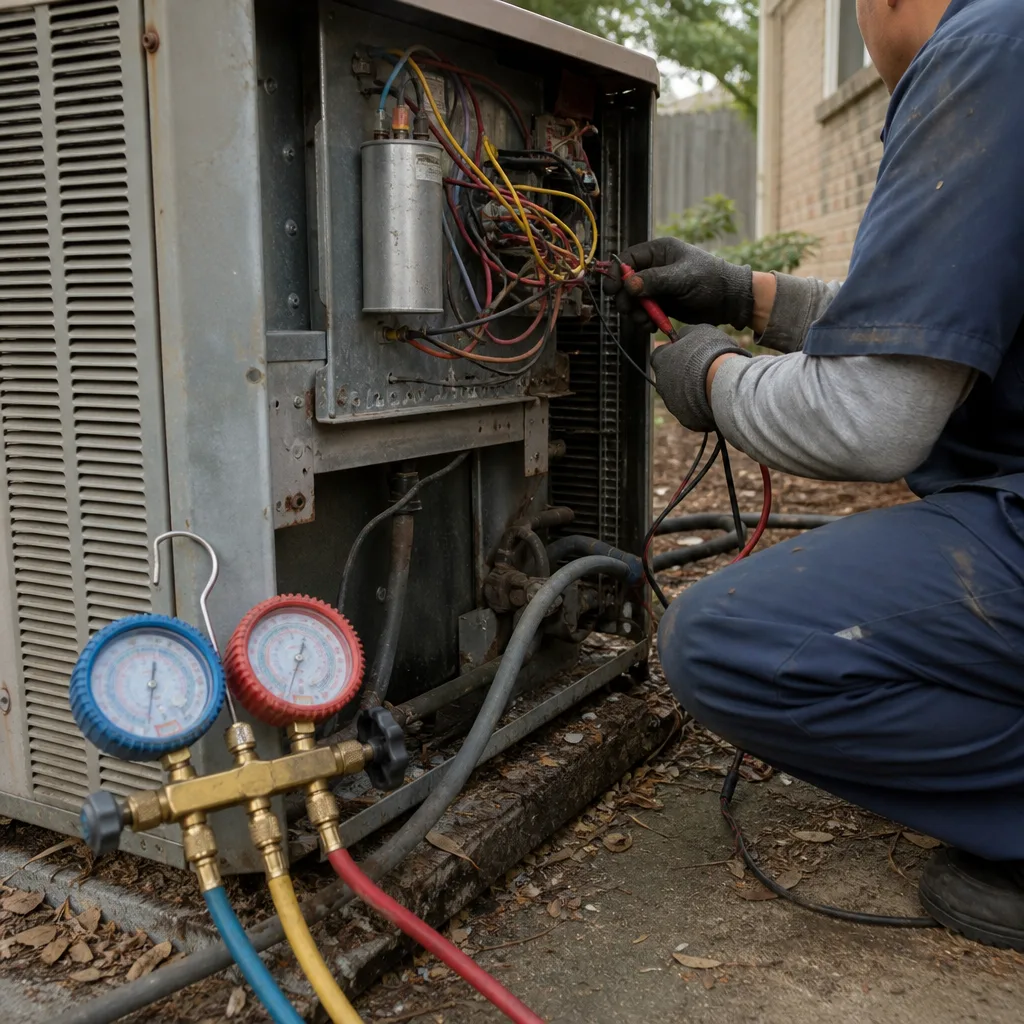 Before
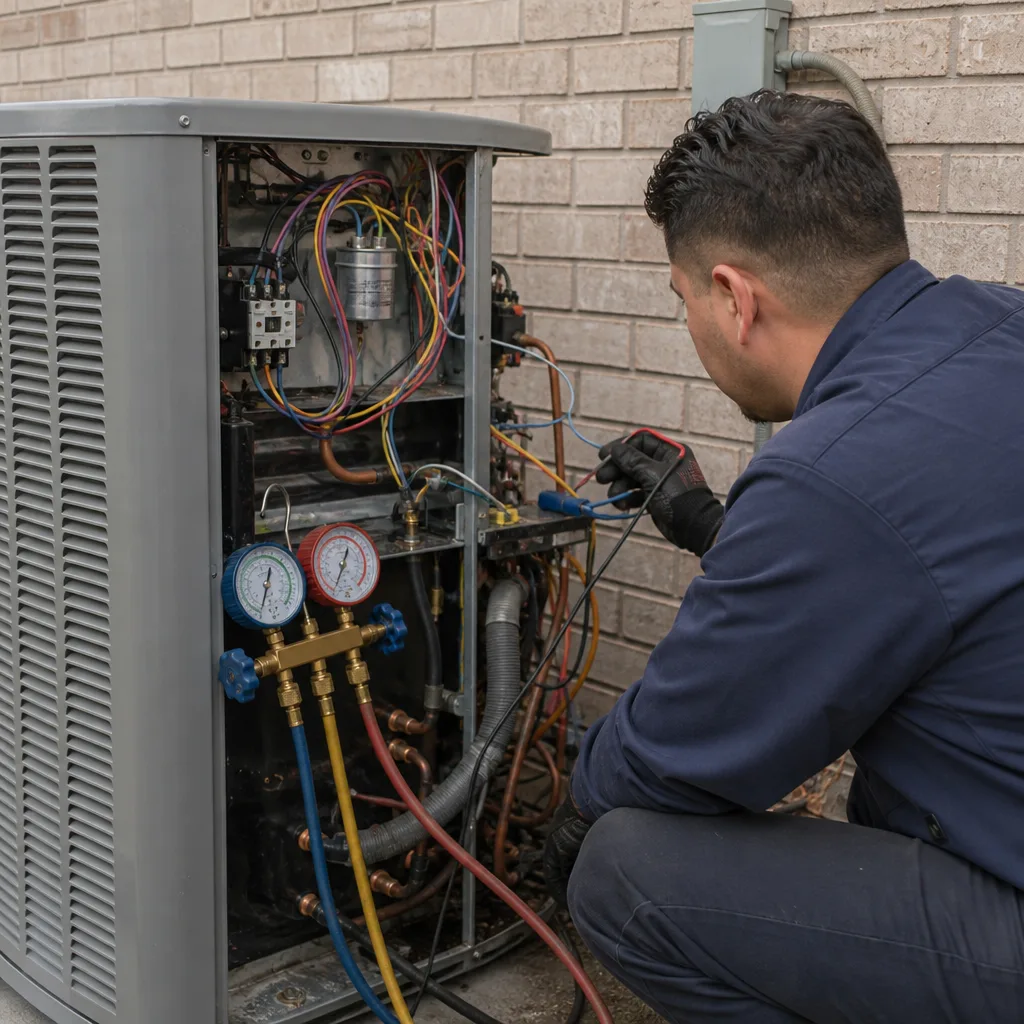 After
After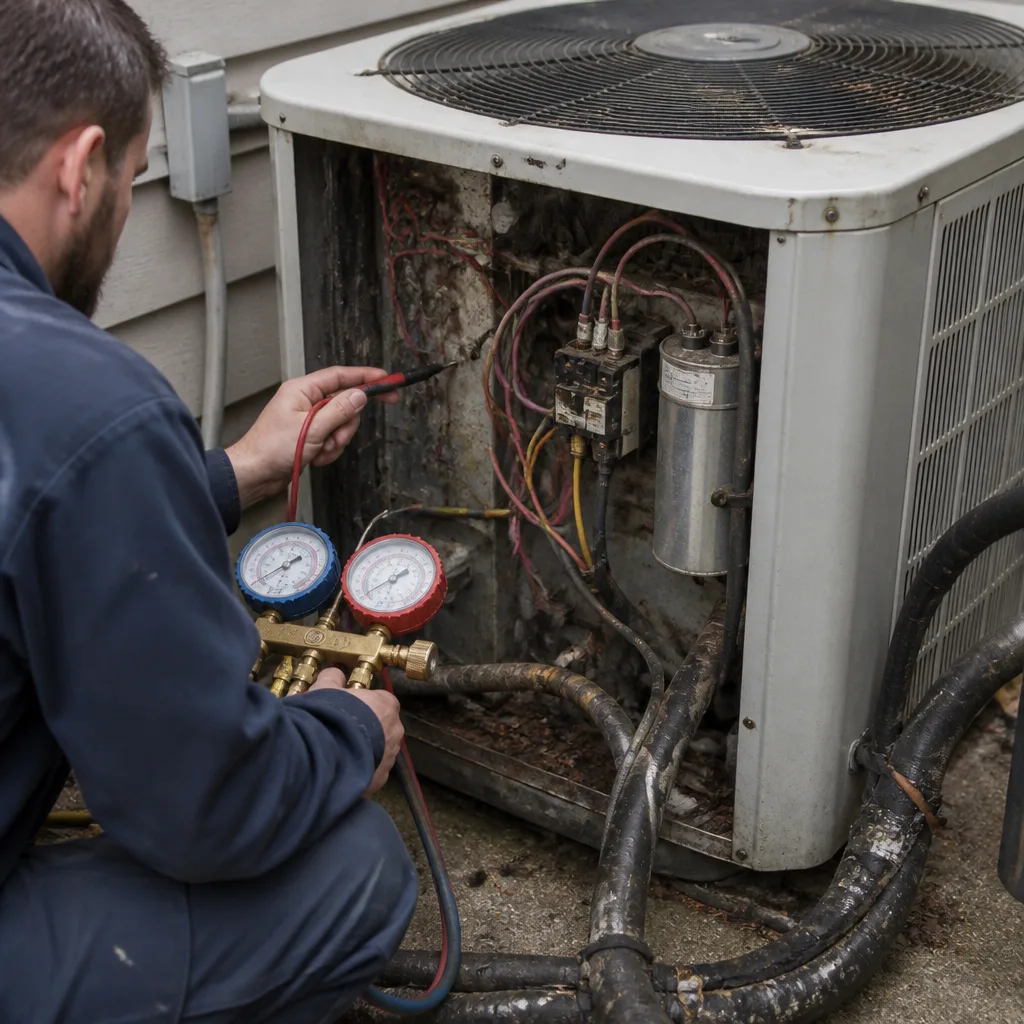 Before
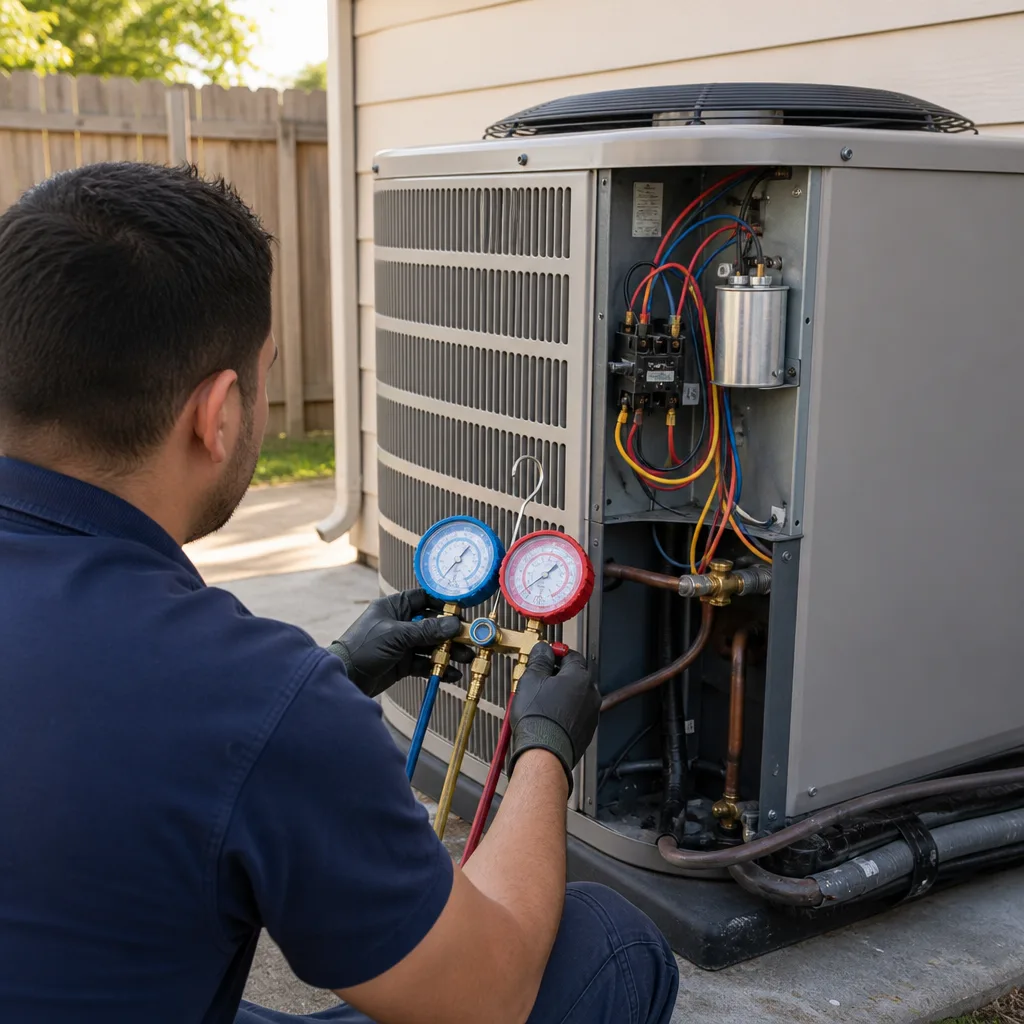 After
After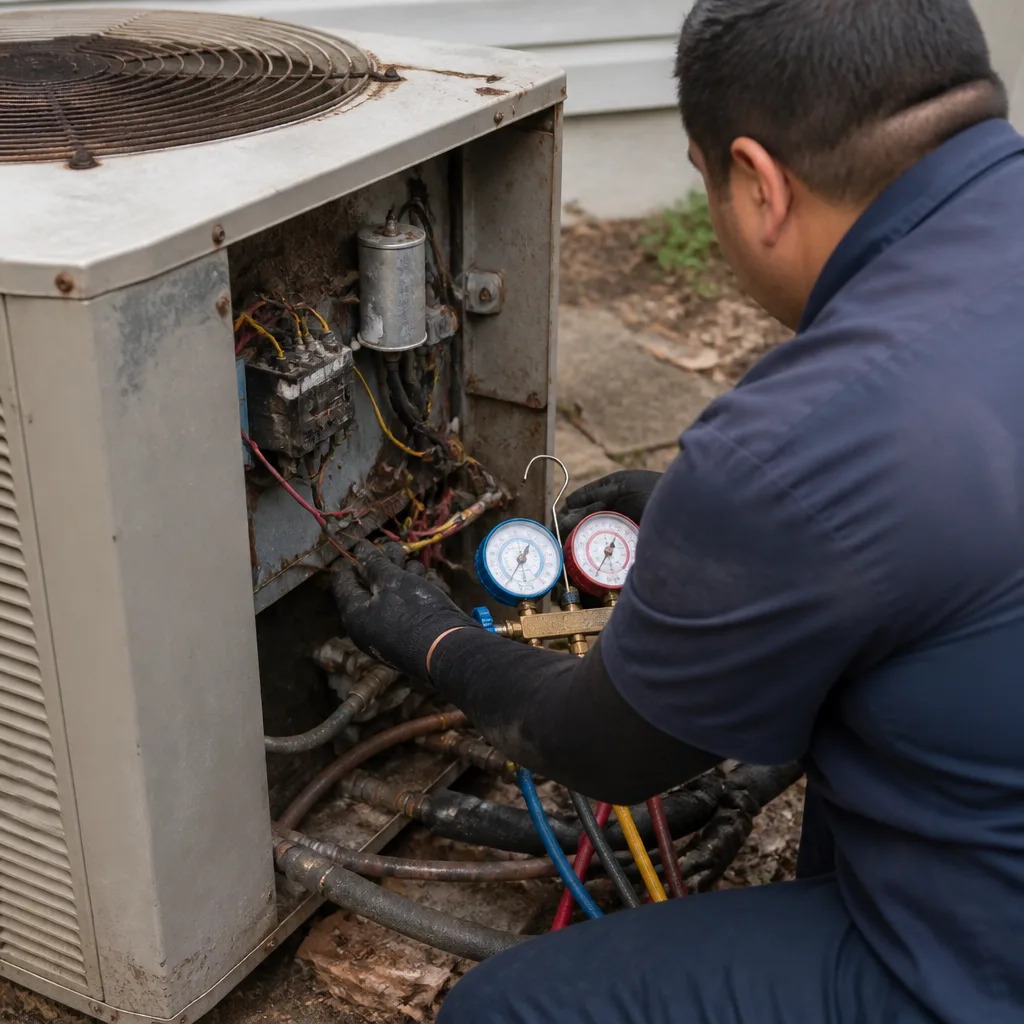 Before
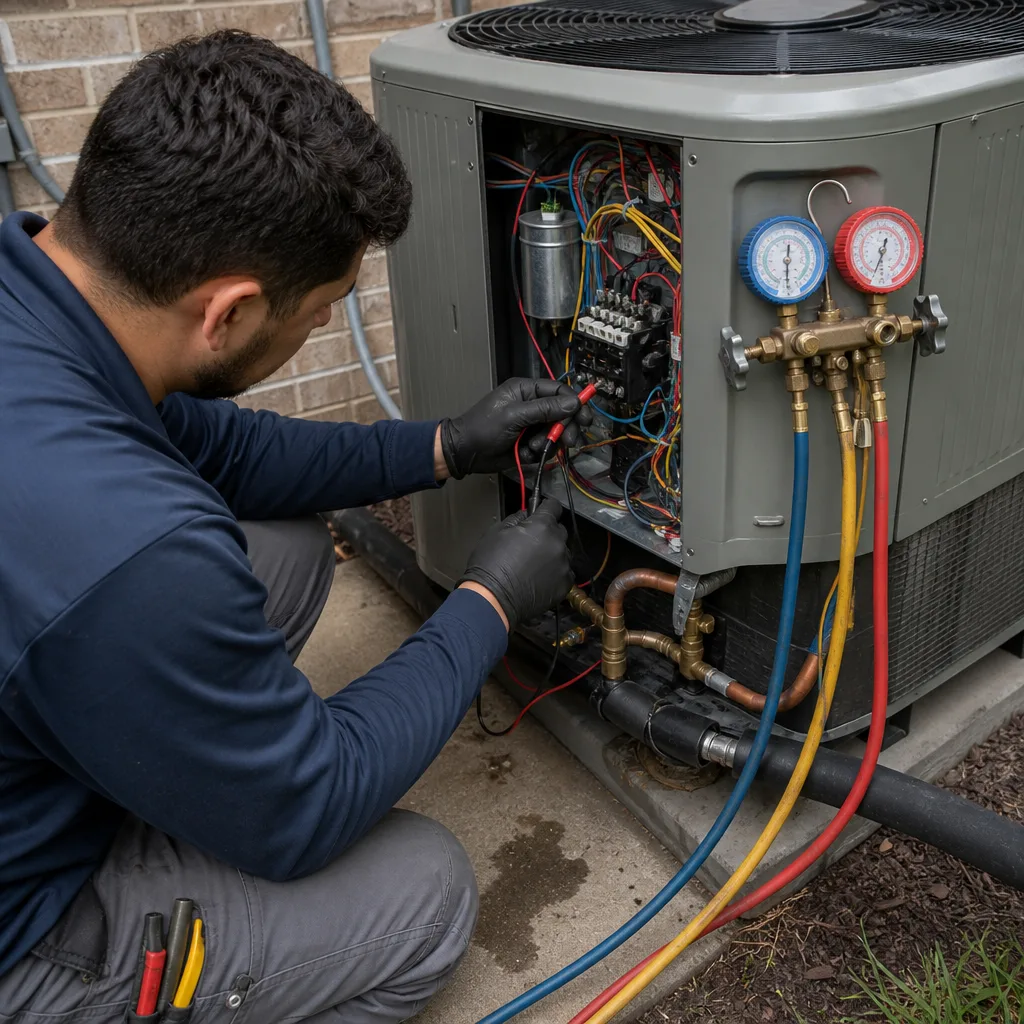 After
AfterCommon Mistakes to Avoid
- Hiring the cheapest quote without asking about permits: In Dallas, the cheapest HVAC quote often looks cheap because it leaves out the permit fee entirely. You end up paying twice, once for the work and again to fix the unpermitted install when it surfaces. Always ask whether the written quote includes permit costs.
- Assuming the contractor pulled the permit without verifying: Many homeowners find out weeks or months later that no permit was ever filed. Search the Dallas permit portal by your address to confirm. If the contractor says “we will handle it,” confirm the permit number is in your hand before work starts.
- Treating a condenser swap as a like-for-like repair: Replacing the outdoor unit alone is still an installation in Dallas. The only true repair exceptions are components like capacitors, contactors, and fan motors. A new condenser is new equipment and needs a permit.
- Not reading the seller’s disclosure: If you are buying in Dallas and the seller was aware of unpermitted HVAC work, state law requires them to disclose it. If they did not, you may have legal recourse, but litigation is expensive. A simple permit search before you close is cheaper and faster.
- Renovating without checking mechanical code: Kitchen remodels and additions often move or extend ducts, and what felt like a small change triggers a mechanical permit. We have seen homeowners in East Dallas get a stop-work order on a renovation because the duct change was not permitted. That stop-work order stalls the whole project, not just the HVAC portion.
- Not keeping the final inspection report: The permit closing document is the proof you will need at resale. Keep a copy with your home records. It is one page and it protects the value of the home. Call (430) 213-5796 if you need help tracking down verifying a permit.
The Bottom Line
HVAC permits in Dallas are not optional paperwork. They are required for new installations, full system replacements, duct modifications, and gas connections. The city adopted the 2021 International Mechanical Code, which tightened efficiency standards and added duct leakage testing for permitted jobs. Skipping the permit saves a few hundred dollars today and risks insurance claims, stop-work orders, and broken home sales. Homeowners in Dallas can verify any property’s permit history through the city portal before they buy or sell, and explore more guides & resources on keeping their systems compliant. When the work is done properly, with a permit and a final inspection, the system is safe, compliant, and ready for the next owner.
Written by Victor Mancini, Owner at Cold Harbour Heating and Air Dallas, serving Dallas since 2003.